
Table of Contents
- Get the Cost for Electrical Help Near You
- Electrical Work Cost Estimates Supplemented with Real Taskrabbit Data
- Factors that Impact How Much Electrical Work Costs
- Hidden or Unexpected Electrical Work Costs to Consider
- Common Electric Projects and Their Average Cost
- Frequently Asked Questions About Electrical Work
Get the Cost for Electrical Help Near You
Browse different rates for electrical services in your area and select the one that fits your budget and needs.
Get Electric Work RatesElectrical Work Cost Estimates Supplemented with Real Taskrabbit Data
Electrical work is a home project where cost and safety matter equally, so you want to make informed decisions. Whether you’re dealing with a flickering light, planning a remodel, or upgrading an electrical panel, understanding electrician costs can help you budget confidently and avoid surprises.
Using research and real Taskrabbit data, this guide breaks down typical price ranges for electrical projects. On average, electrical work tasks cost $44 per hour in the U.S.
Average Cost for Electrical Work Services in Major U.S. Cities
While nationwide averages offer a helpful starting point, electrician costs can vary significantly by city based on local labor rates, demand, and other requirements. The table below provides estimated pricing ranges for major U.S. cities based on real Taskrabbit jobs completed and supplemental research to help you compare costs and plan more accurately.
| City | Avg Hourly Rate | Avg Invoice Total |
|---|---|---|
| New York City | $68 | $153 |
| LA & OC | $58 | $132 |
| SF Bay Area | $63 | $142 |
| Chicago | $56 | $136 |
| Washington DC | $65 | $155 |
| Seattle | $60 | $152 |
| Miami | $50 | $141 |
| Boston | $64 | $139 |
| Austin | $57 | $142 |
| Denver | $60 | $136 |
Average Hourly Rates for Electrical Help Services by U.S. State
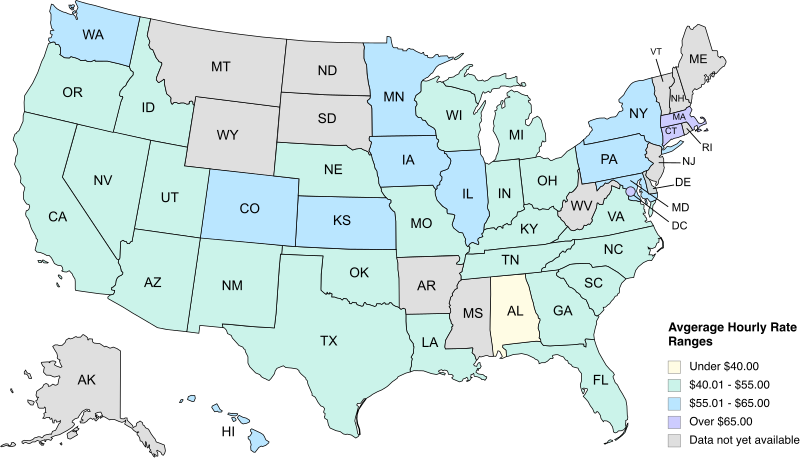
State-level pricing offers a broader perspective on electrical help costs, making it easier to understand general labor trends across regions. While city-specific data captures localized demand and project variables, state averages are especially helpful for estimating costs in areas outside major metro centers, comparing pricing across different parts of the country, or planning for future projects in a new location. The below map outlines typical hourly rates by state to give you a clearer view of how electrical service costs can vary nationwide.

Factors that Impact How Much Electrical Work Costs
Several variables influence how much electrical work costs. Understanding these factors can help explain why jobs may be priced differently.
Job Type and Complexity
The type of electrical work being done is one of the biggest drivers of cost. Jobs vary widely in scope, time, safety risk, and code requirements, which directly affects pricing.
Common types of electrical work include:
Minor repairs and replacements are simpler tasks such as replacing outlets, switches, or light fixtures. These jobs are usually quick and lower-cost, especially when existing wiring is in good condition.
Fixture and appliance installations include installing ceiling fans, light fixtures, exhaust fans, or hardwired appliances. Costs depend on whether wiring already exists and how accessible the installation area is.
Adding or relocating outlets and switches requires running new wiring through walls, ceilings, or floors, which increases labor time and may require permits, raising overall costs.
Troubleshooting and diagnostics entails identifying the cause of electrical issues like tripped breakers, flickering lights, or dead outlets. These jobs are often billed hourly because the scope isn’t always clear upfront.
Panel upgrades and replacements are intended to allow an electrical panel to handle increased electrical demand. This is a complex, safety-critical project that typically requires permits and inspections.
Rewiring projects involve updating outdated or unsafe wiring in a room or entire home. Rewiring is labor-intensive and more common in older homes, making it one of the higher-cost electrical services.
Code compliance and safety upgrades work to meet current electrical codes, such as adding GFCI or AFCI protection. These upgrades are often triggered during renovations or inspections.
More complex projects generally require more time, planning, and coordination, which is why pricing can vary so widely between different types of electrical jobs.
Hourly vs. Flat-Rate Pricing
Electricians may charge by the hour or offer flat-rate pricing for specific tasks.
Hourly pricing is common for troubleshooting or open-ended jobs.
Flat-rate pricing is often used for well-defined tasks and can make budgeting easier.
Both models may include a minimum service fee, even for quick visits.
Experience Level
An electrician’s experience level can influence both pricing and the type of work they typically handle. While responsibilities vary by job and region, electricians are often grouped into three general experience levels:
Apprentice: Apprentices are still gaining hands-on experience and work under the supervision of more experienced electricians. They often assist with basic tasks like running wiring, preparing materials, and supporting installations, which generally keeps labor costs lower. Apprentice hourly rates range from $20-$60.
Journeyperson: Journeypeople have completed required training hours and passed exams in many areas. They can perform most standard residential electrical work independently, including installing outlets, fixtures, and troubleshooting common electrical issues. Journeyperson hourly rates range from $60-$130.
Master electrician: Master electricians have extensive experience and advanced credentials. They often handle complex or high-risk projects such as panel upgrades, major rewiring, or overseeing larger jobs, and their rates typically reflect that expertise. Master electricians may charge $90-$175 per hour.
Licensing and Certifications
Licensing requirements for electricians are set at the state or local level and are intended to help ensure electrical work meets safety and code standards. Some projects legally require a licensed electrician, particularly when permits or inspections are involved.
Higher levels of licensing often indicate additional testing, experience, and continuing education. As a result, electricians with advanced licenses may charge more, especially for projects that involve permits, inspections, or compliance with updated electrical codes.
Location
Prices vary by region as urban areas and high-cost-of-living markets often have higher labor rates and permit fees than rural areas.
Home Age and Wiring
Older homes often have outdated wiring, smaller electrical panels, or materials that no longer meet current code standards. Addressing these issues can require additional labor, specialty parts, or partial rewiring, all of which can increase project costs.
Homes with older electrical systems may also need upgrades to safely support modern appliances and devices, adding to both time and expense.
Accessibility
How easy it is to access wiring and electrical components plays a significant role in pricing. Work behind finished walls, ceilings, or tight crawl spaces typically takes longer and may require specialized tools or additional preparation.
Projects involving high ceilings, attic access, or limited clearance can increase labor time, which often results in higher overall costs.
Permits, Inspections, and Code Requirements
Many electrical projects, especially those involving panels, new circuits, or significant upgrades, require permits and inspections to meet local building codes. Permit fees vary by municipality and are often passed on to the home or building owner as part of the project cost, ranging from $50-$500.
If an inspection reveals that existing wiring or components don’t meet current code, additional work may be required before the project can be approved. These code-related updates can add time and expense beyond the original estimate.
Emergency or After-Hours Service
Electrical emergencies, such as power outages, burning smells, or sparking outlets, typically come with higher pricing due to urgency and off-hours scheduling. Electricians often charge a premium for nights, weekends, or holidays.
In many cases, emergency or after-hours service can increase costs by 50% to 100% compared to standard rates, depending on timing and location.
Materials and Equipment
The type and quality of materials used can significantly affect the final cost of electrical work. Standard outlets and switches are relatively affordable, while specialty fixtures, smart devices, or upgraded panels cost more.
In some cases, supply availability or specialty equipment requirements can also impact pricing. Higher-end materials or custom components may improve performance or aesthetics, but they often come with higher upfront costs.
Hidden or Unexpected Electrical Work Costs to Consider
Even well-planned projects can come with added expenses. Common ones include:
Service call or minimum visit fees
Permit and inspection costs
Wall, ceiling, or drywall repairs after work is complete
Code upgrades required to meet current standards
Electrical panel limitations that require upgrades
Return visit charges if additional work is discovered
Asking for a detailed estimate upfront can help reduce surprises.
Common Electric Projects and Their Average Cost
Below are typical nationwide cost ranges for common electrical jobs, giving you a realistic starting point for budgeting. Actual pricing will still depend on the scope of work, your home’s layout and condition, and local factors.
| Project | Estimated Cost |
|---|---|
| Room rewiring | $800-$2,500 |
| Replacing an outlet | $100-$250 |
| Installing a generator | $2,000-$6,000 |
| Installing a new outlet | $125-$500 |
| Ceiling fan installation | $150-$400 |
| Replacing a light switch | $50-$200 |
| Light fixture installation | $100-$300 |
| Moving an electrical panel | $1,000-$5,000 |
Tips to Save Money on Electric Services
Electrical work doesn’t have to break the bank. While safety and code compliance should always come first, there are practical ways to manage costs without cutting corners. A little planning and preparation can go a long way toward keeping your electrical project within budget.
Bundle multiple small projects into one visit
Schedule work during regular hours
Gather multiple estimates when possible
Prepare work areas for easy access
Ask about flat-rate pricing for common tasks
Stay proactive with maintenance to avoid urgent, emergency repairs
Consider hiring an apprentice or journeyperson instead of a master electrician, depending on the project complexity
DIY vs. Hiring a Pro for Electrical Work
Simple tasks like replacing a light fixture or switch may be manageable for experienced DIYers who follow local codes and safety precautions. DIY may save money upfront, but mistakes can lead to costly repairs, failed inspections, or safety hazards.
Jobs involving panels, new circuits, rewiring, or troubleshooting unknown issues are best left to professionals due to safety risks and code compliance. Professional work can also protect home value and help avoid insurance issues.
How to Choose a Pro for Electrical Work
When comparing options, consider more than just price:
Confirm proper licensing and insurance where required
Ask for written estimates and clear scopes of work
Request a breakdown of labor, materials, and fees
Watch for red flags like vague pricing or pressure tactics
Understand warranty or follow-up policies before work begins
What to Expect When Booking Electrical Help Through Taskrabbit
Booking electrical help through Taskrabbit is designed to be simple and flexible. You can browse available Taskers, compare hourly rates, and read reviews before choosing someone who fits your needs.
When booking, share clear details about your project so expectations around scope, timing, and pricing are aligned upfront. Taskers are independent contractors, so for any projects that require a licensed electrician, be sure to note this in your task description and confirm licensure directly with your Tasker through the in-app chat before work begins.
Frequently Asked Questions About Electrical Work
Should I tip for electrical work?
Tipping is not required, but it’s appreciated for a job well done. It is customary to tip 10%-20%.
Are electrician costs negotiable?
In some cases, pricing may be flexible depending on the scope of work, timing, or whether multiple projects are bundled into one visit. It’s best to discuss details upfront and confirm pricing before work begins.
Do electricians charge for a quote?
Some electricians offer free estimates for clearly defined projects, while others may charge a service call or diagnostic fee, especially for troubleshooting or in-home evaluations.