How Much Does Interior Painting Cost?
Starting at $40 per hour on average in the U.S.
Updated on September 1, 2026
Table of Contents
- Get the Cost for Interior Painting Services Near You
- Interior Painting Cost Estimates Supplemented with Real Taskrabbit Data
- Factors that Impact How Much Interior Painting Costs
- How Much Do Painting Materials Cost?
- Common Interior Painting Projects and Their Average Cost
- Frequently Asked Questions About Interior Painting Services
Get the Cost for Interior Painting Services Near You
Browse different rates from various painters in your area and select the one that fits your budget and needs.
See RatesInterior Painting Cost Estimates Supplemented with Real Taskrabbit Data
A fresh coat of paint can completely transform the look and feel of your home. But before you start choosing color swatches, it’s important to understand the cost to paint the interior of a house. Prices can vary widely depending on home size, wall condition, prep work, labor, materials, and more.
Using research and real Taskrabbit data, this guide provides a realistic look into what you can expect to pay for interior painting. In the U.S., interior painting tasks cost an average of $40 per hour.
Average Cost for Interior Painting Services in Major U.S. Cities
Where you live plays a big role in determining the total cost of interior painting, since labor rates and material pricing shift across the country. We've gathered real average hourly rates and total costs from major U.S. metros based on Taskrabbit jobs completed and supplemental research to help you budget confidently.
| City | Avg Hourly Rate | Average Project Total |
|---|---|---|
| New York City | $58 | $337 |
| LA & OC | $47 | $243 |
| SF Bay Area | $53 | $294 |
| Chicago | $56 | $362 |
| Washington DC | $55 | $338 |
| Seattle | $57 | $347 |
| Miami | $47 | $251 |
| Boston | $66 | $371 |
| Austin | $50 | $333 |
| Denver | $55 | $299 |
Average Hourly Rates for Interior Painting Services by U.S. State
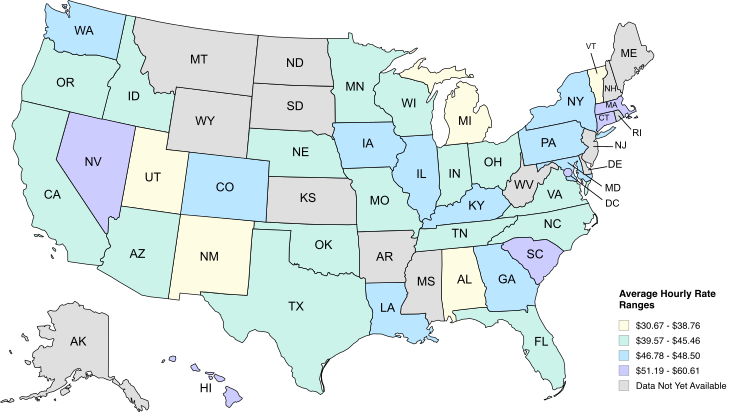
If you are not from a major city, it will be helpful to understand how costs for interior painting vary from state to state. This map provides a broader look at average hourly rates across the country, starting at $30.67 per hour in states like Vermont and Utah, up to $60.61 in Nevada and South Carolina.
Factors that Impact How Much Interior Painting Costs
Many elements play a role in determining how much it costs to paint the interior of a home, from the size of the space to the type of paint you choose. Below is a breakdown of the most common cost drivers.
Home Size (Square Footage)
Home size has one of the biggest impacts on total painting cost. Larger homes require more paint, more labor hours, and often more prep work, which increases the overall price.
Typically, the average interior painting cost of a home is approximately $2.75 per square foot, falling within an average painting cost per square foot range of $2–$6. If you want to paint the trim and ceilings, the painting cost per square foot increases to $4.69. Keep in mind that for ceilings exceeding a height of 10 feet, anticipate a 20–40% increase in the overall price.
Estimated average costs for interior painting by square footage are:
500 sq. ft: $1,000–$3,000
1,000 sq. ft: $2,000–$6,000
1,500 sq. ft: $3,000–$9,000
2,000 sq. ft: $4,000–$12,000
2,500 sq. ft: $5,000–$15,000
3,000+ sq. ft: $6,000+
Room Type
Kitchens, bathrooms, and high-humidity areas may require specialized paints. Bedrooms and living rooms are typically less labor-intensive unless accent walls or decorative finishes are involved.
Bathroom: $150–$300 average cost
Bedroom: $300–$750
Dining room: $700–$1,400
Living room: $900–$2,000
Kitchen: $300–$750
Hallways / entryways: $300–$1,000
The room type may also influence the type of paint you need, such as moisture-resistant paint for bathrooms or kitchens.
Layout
The way your home is configured can also influence cost. Open-concept spaces, tall ceilings, stairwells, and architectural details often require additional time, tools, or specialized techniques. Even if two homes have similar square footage, a more complex layout may take longer to complete.
Surface Type
The type of surface you want painted will result in differing costs. For instance, if you want to paint not only the walls but also the trim and ceilings, it’s important to factor in the differing price range when determining your budget. The average cost to paint a wall typically falls between $1 and $2 per square foot. Here’s a breakdown of the average costs associated with other surfaces:
Walls: $1–$2 per square foot, on average
Ceilings: $1–$2 per square foot
Trim: $1–$3 per square foot
Doors: $40–$100 per door
Wall Type
How your walls are built, and how smooth they are, can meaningfully change the total painting cost.
Drywall: The most common wall type and typically the most affordable to paint thanks to its smooth surface and minimal prep needs.
Plaster: Common in older homes and often more time-intensive due to cracking, uneven surfaces, or brittle areas that require careful repair.
Lightly textured walls: Slight texture adds modest labor time and may require a little extra paint for even coverage.
Medium to heavy texture: Needs more paint and slower application to fill grooves, often increasing both labor and material cost.
Wood paneling: Requires sanding or bonding primer to ensure the paint adheres, and grooves increase detail work.
Brick or masonry: Highly absorbent surfaces that usually need more primer and paint, plus extra time to reach recessed areas.
Wallpaper-covered walls: Removing or sealing wallpaper adds labor; priming is often needed to prevent bubbles or uneven absorption.
Previously painted surfaces: Usually the most budget-friendly unless glossy finishes, stains, or uneven patches require additional prep.
Surface Conditions
The smoother the walls, the faster the job goes, and the more consistent your results will be. Older walls, or walls with any type of dent or crack, will require more preparation before painting.
Prep Work
Prep work is one of the largest cost drivers. Painters may need to:
Patch holes
Repair drywall
Sand uneven areas
Clean or degrease surfaces
Remove old paint
Paint Type and Quality
The cost of a gallon of paint varies widely, spanning $20–100, depending on the brand, quality, and gloss level. Typically, one gallon covers 350 square feet, and an average home requires approximately six gallons per coat.
Premium paints cost more but may require fewer coats and offer better durability, stain resistance, and coverage. Choosing the right paint for each room can impact total cost and long-term upkeep.
Latex (water-based): Starting around $17 per gallon
Acrylic: Starting around $18 per gallon
Oil-based: Starting around $30 per gallon
Low- or Zero-VOC: Starting around $38 per gallon
Specialty (moisture-resistant, scuff-resistant, etc.): Starting around $40 per gallon
Number of Coats
Dark-to-light color changes often require 2–3 coats.
High-hiding paint reduces multiple coats but comes at a higher material cost.
Labor
Labor is typically the largest portion of the total price. Rates depend on experience, project complexity, and regional pricing differences.
Add-Ons
Certain add-ons, like wallpaper removal, texturing, or popcorn ceiling removal can increase total costs by a few hundred dollars.
How Much Do Painting Materials Cost?
If you’re planning an interior painting project, it’s important to understand the cost of materials, whether you're doing the work yourself or supplying items for a professional. Paint quality, tools, and prep supplies can all influence your overall budget, and the total can vary based on the size and complexity of the job. Below are the core materials typically needed for a standard interior painting project with estimated prices.
Paint: $20–$50 per gallon
Primer: Spray primer starts at $6, while larger buckets start at $13
Paint rollers: Prices starting at as low as $7 for one roller
Paint brushes: Single brushes are available starting at $2, with packs of multiple sizes starting at $5
Paint trays: Prices starting at $2
Disposable tray liners: Prices starting at $3
Drop cloths or plastic sheeting: Prices starting at $3
Painter’s tape: Prices starting at $2
Stir sticks: Prices starting at $1
Ladder or step stool: Prices starting at $15
Common Interior Painting Projects and Their Average Cost
Interior painting can include much more than refreshing the walls. Depending on your goals, you might take on smaller detail work, update high-impact features, or complete a full home refresh. Here are some common interior painting projects and their average costs.
| Common Project | Cost Range |
|---|---|
| Ceilings | $1–$3 per square foot |
| Accent walls | $2–$6 per square foot |
| Trim and baseboards | $1–$3 per linear foot |
| Doors and door frames | $1–$5 per square foot |
| Full-room wall painting | $2–$6 per square foot |
Hidden or Unexpected Interior Painting Costs to Consider
Even with a well-planned budget, interior painting projects can come with unexpected expenses. These aren’t always included in initial estimates, and they often depend on your home’s age, condition, and specific project requirements. Understanding these potential add-ons can help you plan more confidently and avoid surprises during the process.
Drywall or plaster repair: Small cracks, dents, or water-damaged areas may need patching before paint can be applied. This extra prep work improves the final finish, but it adds labor time and materials to the total cost.
Stain-blocking primer: If your walls have smoke damage, water stains, or deep colors, a stain-blocking primer may be required. These specialty primers help prevent discoloration from bleeding through fresh paint but can increase both material and labor costs.
Furniture moving: Some painters charge additional fees to move heavy furniture or clear cluttered rooms if not prepped before.
Lead paint remediation: In older homes, walls may contain lead-based paint, which requires special handling and safety procedures. Professional remediation significantly increases costs due to the additional time, equipment, and qualifications needed.
Damage discovered under old paint: Once old paint is removed or sanded, painters may uncover issues like bubbling, rot, deep cracks, or previous patchwork that wasn’t done correctly. Fixing these underlying problems is important for paint adhesion and longevity, but it adds unplanned labor and materials.
Extensive masking or cleanup: Homes with lots of fixtures, built-ins, or detailed trim may require more time spent taping, masking, and protecting surfaces before painting begins. Similarly, removing dust, debris, or paint splatter after the job takes extra care. Both can add to the overall project cost depending on complexity.
How to Estimate Your Interior Painting Budget
Estimating your interior painting budget doesn’t have to feel overwhelming. With a few simple measurements and a clear sense of your project’s scope, you can build a realistic estimate that helps you compare quotes and plan confidently. Use the steps below to get a solid starting point before reaching out for help or gathering estimates.
1. Measure Your Paintable Area
Start by measuring the length and height of each wall, then calculate the total square footage. Don’t forget to subtract large windows or door openings. This number becomes the foundation for estimating both paint and labor.
2. Calculate How Many Gallons of Paint You'll Need
Most paint cans list the square footage they cover. Divide your paintable area by the coverage number to estimate gallons per coat. Larger rooms, textured surfaces, or deep color changes usually need more paint.
On average, paint is $20–$50 per gallon, but if you’ve got your brand and color picked out, you can get a more accurate estimate.
3. Add Primer and Tools if Needed
If your walls are stained, newly patched, or transitioning dramatically from dark to light, you’ll likely need primer. Build in room for rollers, brushes, tape, drop cloths, and trays, especially if you’re handling prep yourself.
Depending on how big the area you’re painting is and how many people will be painting at once, expect to spend at least an additional $30 for supplies.
4. Estimate Labor Using Local Rates
Labor is typically the largest part of an interior painting cost. Multiply your paintable square footage by a typical per-square-foot labor range or consider how many hours the job may take. Homes with tall ceilings, detailed trim, or heavy prep usually fall on the higher end.
Take a look at our average rates by location again to help calculate this section.
5. Add Ceilings, Trim, and Doors
These items are usually priced separately. If your project includes them, add line items for each: ceilings cost more due to ladder work, and trim or doors require detailed brushwork.
Remember, ceilings typically cost $1–$2 per square foot, trim $1–$3 per square foot, and doors $40–$100 per door.
6. Add a Contingency Buffer
Even well-planned projects uncover surprises, from hidden wall damage to additional coats. Adding a 10–20% buffer helps you stay prepared and avoid stress during the project.
Tips to Save Money on Interior Painting Services
Simple steps can help lower the cost of interior painting:
Prep the space yourself by doing things like removing furniture, taking off outlet covers, or taping
Choose mid-tier paint that balances quality and affordability
Measure your space to ensure you only buy what you need, reducing overspending on paint
Paint during slow seasons, including the winter months of November through February, and early spring when schedules are more flexible
Bundle multiple rooms for better efficiency
Get more than one quote
DIY selective areas like closets or trim
DIY vs. Hiring an Interior Painter
When it comes to interior painting, deciding whether to DIY or hire a professional depends on your budget, timeline, and comfort level with the work involved. Each option has its advantages, and understanding the trade-offs can help you choose the approach that feels right for your home. Here’s a quick breakdown to guide your decision.
DIY
If you’re considering painting your home yourself, DIY may be a good option if you:
Want to save on labor costs
Prefer working at your own pace
Feel comfortable tackling small rooms or simple projects
But if you’re short on time, not confident in your painting skills, or want to avoid the risk of uneven lines, drips, or other mistakes that can be costly to fix later, DIY may not be the right approach for you.
Hiring a Painter
If you’re looking for a faster, more polished result, hiring a professional may be worth the investment. Hiring a pro makes sense if you want:
A smooth, consistent finish
Faster turnaround times
Help with prep work, repairs, or complex layouts
Expertise with specialty paints or high-traffic areas
However, professional painting is typically more expensive, and you’ll need to coordinate around a scheduled timeline, so if budget or flexibility is your top concern, it may feel less convenient than DIY.
How to Choose an Interior Painter
When choosing an interior painter, look for:
Reviews and ratings
Experience
Photos of past work
Clear communication
Transparent price estimates and responsibilities
Pro tip: Be sure to ask questions about what prep work is included, who is responsible for materials, how many coats of paint will be needed, and how they will protect the area they are painting around.
Frequently Asked Questions About Interior Painting Services
Tipping is not required, but is appreciated. It is typical to tip between 10% to 20% to show thanks for the completed job.
Many do, but some charge separately. It is best to always ask to avoid any surprise costs.
DIY usually reduces labor cost, but increases time and effort.
A single room can take a few hours to a full day; full interiors often take several days.