How Much Does Furniture Assembly Cost?
Starting at $34/hour on average
Updated on June 1, 2026

Table of Contents
- Get the Cost of Furniture Assembly in Your Area
- Furniture Assembly Cost Estimates Supplemented with Real Taskrabbit Data
- Factors that Impact How Much Furniture Assembly Costs
- Hidden or Unexpected Furniture Assembly Costs to Consider
- Common Furniture Assembly Items and Their Average Cost
- Frequently Asked Questions about Furniture Assembly Service
Get the Cost of Furniture Assembly in Your Area
Browse different rates from furniture assembly options in your area and select the one that fits your budget and needs.
Get RatesFurniture Assembly Cost Estimates Supplemented with Real Taskrabbit Data
Wondering how much it costs to assemble furniture today? Whether you’re putting together a new bed frame, a desk for your home office, or a full set of outdoor seating, understanding typical furniture assembly costs can help you budget confidently and avoid surprises on task day.
To help you prepare, we’ve gathered research and real Taskrabbit data that provides a realistic look into what you can expect to pay for furniture assembly services. On average, furniture assembly costs $34 per hour in the U.S.
Average Cost for Furniture Assembly Services in Major U.S. Cities
You’ve finally bought out that new dining room table and chair set you’ve been eyeing and can’t wait to host a dinner party. The only problem is, you actually have to put it together first.
Whether you’re moving or upgrading your existing pieces, assembling furniture can be a daunting task, making it common for people to source help.
When hiring someone to build your furniture for you, prices can vary significantly depending on location, so we’ve gathered real average hourly rates and total costs from major U.S. metros based on Taskrabbit jobs completed and supplemental research to give you a well-rounded view of furniture assembly costs.
| City | Avg Hourly Rate | Avg Invoice Total |
|---|---|---|
| New York City | $52 | $169 |
| LA & OC | $41 | $150 |
| SF Bay Area | $41 | $148 |
| Chicago | $41 | $130 |
| Washington DC | $44 | $151 |
| Seattle | $41 | $149 |
| Miami | $39 | $142 |
| Boston | $42 | $144 |
| Austin | $43 | $156 |
| Denver | $40 | $144 |
Average Furniture Assembly Hourly Rates by U.S. State
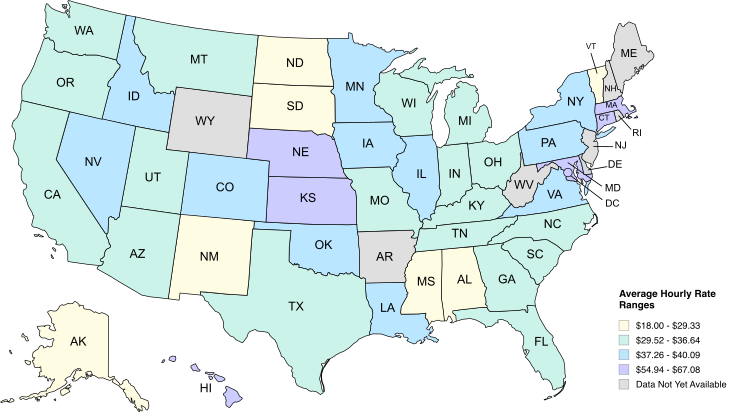
The state-level map above displays average hourly rate ranges for furniture assembly services. When viewed across the country, most states cluster within the mid-tier pricing ranges, between $29.52 and $40.09.
Because furniture assembly needs can vary from quick setups to more time-intensive projects, statewide averages help smooth out those differences, making the map a helpful tool for understanding broader pricing patterns.

Factors that Impact How Much Furniture Assembly Costs
Knowing what affects total cost upfront makes it easier to plan your project and choose the support that fits your space, schedule, and comfort level. While item size and complexity play a major role, several other variables, like accessibility, required tools, or pricing structure, can also influence the final price.
Type of Furniture
Because different types of furniture require different tools, instructions, and time, the cost to assemble furniture often varies by category.
Beds and frames: Platform beds, metal frames, adjustable bases, and storage beds each have unique needs. Assembly often involves multiple parts, slats, or integrated drawers.
Dressers and chests: These items typically include many small components, making them more time-consuming. Some may also require anchoring for stability. More drawers generally means longer assembly times.
Tables: Dining tables, side tables, coffee tables, and accent tables can range from very simple (attaching legs) to moderate builds that include extensions, crossbars, or decorative hardware. Larger or heavier tables naturally take more time.
Desks: Desks often include storage components such as drawers, cable ports, shelves, or modesty panels. Assembly time increases with added features, integrated charging stations, or multi-surface desktop designs.
Entertainment centers: These often require careful alignment and proper hardware installation. Some include doors, shelves, or media components that add to the complexity.
Sofas: While many modern sofas arrive partially assembled, sectionals, sleeper sofas, and modular seating systems may involve attaching frames, legs, or modular connectors.
Shelving units: Simple shelves can be quick to assemble, while tall or heavy shelving may take longer and may require anchoring for stability.
Outdoor furniture: Patio sets, loungers, umbrellas, and multi-piece sets can vary in complexity. Weather-resistant materials and multi-piece configurations often take additional effort.
Number of Items
If you’re assembling more than one piece, you may find pricing differences based on volume.
1 item: $50-$80 average estimated cost
2 items: $90-$145
3 items: $130-$210
4 items: $165-$265
5+ items: $85-$315+
Keep in mind that the actual price you pay will be influenced by a number of other factors discussed as well.
Item Size and Complexity
Size is often one of the biggest drivers of furniture assembly price.
Small items like chairs, end tables, or bedside tables typically require minimal time and hardware. Assembly prices start at around $40.
Medium-sized items like coffee tables, office chairs, or shelves generally involve more parts, but have relatively straightforward instructions. Assembly prices start around $80.
Large items like dressers, desks, and dining tables have higher costs due to weight, number of components, or multi-step instructions. Assembly prices start around $100.
Extra-large or complex items such as wardrobes, bunk beds, and modular units require more parts, specialty tools, anchoring needs, and longer instructions, which increase assembly time. Assembly prices start around $150.
Pricing Structure (Hourly, Flat-Rate, and Minimums)
Furniture assembly providers may use different pricing structures. Knowing the difference can help you understand your quote.
Hourly rates: Some assemblers set hourly pricing for flexibility. This works well for projects where time may vary based on complexity. Hourly rates can range from $40-100/hour.
Flat rates: Flat rates provide clarity upfront. They’re often used for predictable pieces with clear assembly steps or brand-specific models.
Service minimums: Service minimums are the lowest time or cost a service provider may set to ensure that even small or quick tasks account for the travel, preparation, and effort required. They help providers maintain fair, sustainable pricing—especially when a job might take only a few minutes but still requires scheduling, commuting, and bringing the right tools.
Travel Fees
Some assemblers may set travel fees depending on distance. It's not usually common for furniture assemblers to have this charge but in cases of extreme distance they may add this charge. Make sure to check their fee structure to find out if this is the case for the assembler you choose.
Accessibility
Narrow hallways, multiple flights of stairs, and limited workspace may affect task duration or complexity, and therefore final cost.
Tools Needed
Most furniture comes together with standard tools, though certain modular or specialty items may require additional equipment.
Booking Time and Date
Weekends or last-minute availability may change scheduling or rates. Rush jobs of any type usually cost more for expedited service since the service provider often needs to move their schedule around to accommodate.
Disassembly
If an older piece needs to be taken apart before the new one is assembled, it will extend the total appointment.
Hidden or Unexpected Furniture Assembly Costs to Consider
Even straightforward furniture projects can come with surprises, and understanding potential hidden costs can help you plan more accurately. Whether you’re assembling furniture yourself or bringing in a professional, these are some common factors that can add time, effort, or expense to the project:
Disposal of packaging: Breaking down cardboard, foam, and plastic can take longer than expected, especially for multi-box items. Some customers request support disposing of packaging, which may add time.
Anchoring or additional safety needs: Tall or heavy furniture may require wall anchoring or additional hardware for stability.
Moving existing items: If heavy boxes or other pieces of furniture need to be moved in order to assemble the new piece, this may increase total cost by adding more time to the build.
Missing or damaged parts: If a piece arrives with defects or missing components, you may need to source replacements or delay the assembly.
Common Furniture Assembly Items and Their Average Cost
Comparing assembly costs by item type can give you a clearer sense of what to expect before starting your project. Since each piece of furniture requires a different level of time, skill, and setup, prices can vary widely from one category to the next. The table below provides a quick overview of typical cost ranges to help you estimate your budget more confidently.
| Project | Average Cost |
|---|---|
| Bed assembly | $64 |
| Desk assembly | $48 |
| Chair assembly | $32 |
| Couch assembly | $64 |
| Table assembly | $48 |
| Dresser assembly | $40 |
| Wardrobe assembly | $80 |
| Bookshelf assembly | $48 |
| Patio furniture assembly | $150 |
How Long Does Furniture Assembly Take?
Furniture assembly time varies widely depending on the size of the furniture, instructions, components, layout, and the surrounding workspace.
Small items like chairs or bedside tables can take less than 1 hour
Medium-sized items like coffee tables or shelving units may take 1-2 hours to assemble.
Large items like desks and drawers can take anywhere from 1-4 hours.
Extra-large or specialty items, such as entertainment centers or modular closets, may take 3-6+ hours.
Tips to Save Money on Furniture Assembly Services
Looking to keep your furniture assembly price manageable? These tips can help.
Bundle items. Grouping several items together in one appointment is often more efficient.
Prep your space. Clear the area where the furniture will be assembled and ensure boxes are in the correct room.
Sort the packaging. Setting out hardware and placing boxes in order can help streamline setup.
Avoid peak times. Weekends and busy seasons fill quickly. Booking ahead or during slow periods can give you more flexibility and cheaper prices.
Read the instructions beforehand. Understanding the build complexity beforehand can help you decide if you may be able to do it yourself and save the cost of hiring an assembly service.
DIY vs. Hiring Furniture Assembly Help
Deciding whether to assemble furniture yourself or bring in a professional often comes down to time, confidence, and the complexity of the item. While many people enjoy the hands-on satisfaction of DIY projects, others prefer the convenience and expertise that a professional can offer.
DIY furniture assembly can be a good choice for you if:
You’re on a budget
You’re comfortable following step-by-step instructions
The furniture is small, lightweight, or has a simple design
You have the required tools already
You enjoy hands-on projects or want to take your time with the build
The item doesn’t require anchoring or advanced installation steps
On the other hand, you should consider hiring a pro when:
The furniture is large, heavy, or difficult to maneuver safely
Instructions are complex, unclear, or span multiple boxes
You’re assembling several items and want to streamline the process
Anchoring, leveling, or precision alignment is needed.
You prefer to save time or avoid the frustration of challenging build
How to Choose and Hire a Furniture Assembly Service
If you're requesting a quote or posting a task, including clear details and knowing what to look out for helps ensure an accurate estimate and reliable assembler. When looking to hire help, you should:
Set a budget
Include information such as brand, model name, number of items, and all services needed
Ask questions about pricing structure, tools, prep work, and previous experience
Get multiple quotes (in writing!)
Read reviews
Frequently Asked Questions about Furniture Assembly Service
Should I tip a furniture assembler?
Typically is not necessarily required, but it is customary to include 10-20% gratuity for their work.
Does furniture assembly cost change based on the brand of furniture?
Not necessarily, but pieces from certain brands may be more complex or include more components, which can influence assembly time.
Why do some furniture items cost more to assemble than others?
Larger or more intricate pieces, such as dressers, wardrobes, or multi-box systems, typically require more steps and time, which increases total pricing.
What factors influence the cost of furniture assembly?
Type of item, item size, number of items, required tools, room accessibility, travel, location, labor rates, and time to assemble all impact the final cost.