How Much Does Exterior Painting Cost?
Starting at an average of $52/hour
Updated on July 9, 2026
Table of Contents
- Get the Cost for Exterior Painting Services Near You
- Exterior Painting Cost Estimates Supplemented with Real Taskrabbit Data
- Factors That Impact Exterior Painting Costs
- Hidden Exterior Painting Costs to Watch For
- Estimated Exterior Painting Costs by Square Footage
- Frequently Asked Questions about Exterior Painting
Get the Cost for Exterior Painting Services Near You
Browse different rates from outdoor painters in your area and select the one that fits your budget and needs.
Get Exterior Painting RatesExterior Painting Cost Estimates Supplemented with Real Taskrabbit Data
Renovating your home's exterior with a fresh coat of paint can significantly boost its curb appeal and protect it from the elements. But before you pick a color, you'll likely wonder about the total cost. Understanding the factors that influence exterior painting prices will help you plan your budget and make informed decisions.
Based on research and real Taskrabbit data, it typically costs around $52 per hour on average for outdoor painting in the U.S.
Average Cost to Paint a House Exterior in Major U.S. Cities
Exterior painting costs can differ significantly from one city to another, influenced by local labor rates, material availability, and regional demand.
| City | Avg Hourly Rate | Avg Invoice Total |
|---|---|---|
| New York City | $58 | $278 |
| LA & OC | $45 | $238 |
| SF Bay Area | $55 | $335 |
| Chicago | $51 | $219 |
| Washington DC | $67 | $269 |
| Seattle | $53 | $263 |
| Miami | $51 | $285 |
| Boston | $71 | $347 |
| Austin | $58 | $238 |
| Denver | $56 | $283 |
Average Hourly Rates for Exterior Painting by U.S. State
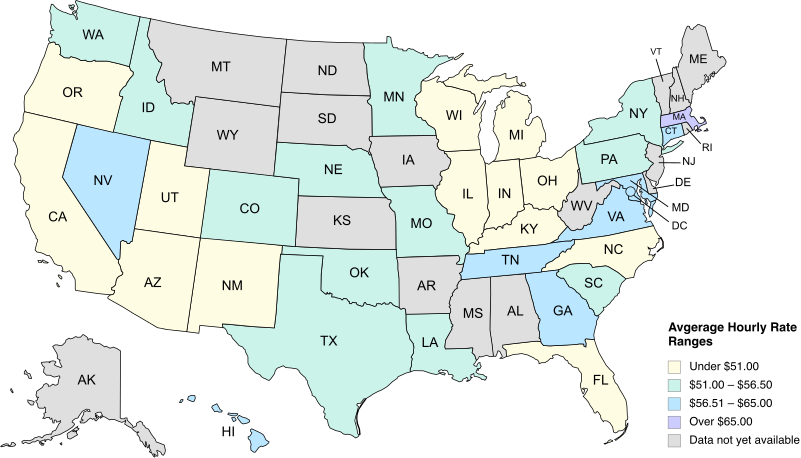
Just as city costs vary, so do the average hourly rates for exterior painting services across different U.S. states. These regional differences are often due to local economies, cost of living, and the supply and demand for skilled painters.
Factors That Impact Exterior Painting Costs
Understanding what drives painting costs can help you interpret quotes and manage your budget effectively. Several key elements contribute to the final price.
Home Size and Square Footage
The total square footage of your exterior walls is the primary driver of both material and labor costs, and many painters will calculate costs based on square footage. Typically, it will cost between $1.00-$4.50 per square foot, depending on the type of material that is being painted.
It isn't just about the ground-level footprint, though. A two-story home with 2,500 square feet of wall space requires significantly more time and safety equipment than a sprawling single-story ranch of the same size. Professional painters often calculate costs based on "paintable" square footage, which subtracts areas like windows and doors from the total surface area.
Type of Siding or Exterior Material
The material your home is made of plays a big role in both prep work and paint absorption. Different materials demand specific primers and application techniques:
Wood: Wood siding often requires extensive preparation, including scraping, sanding, and priming, especially if the existing paint is peeling. It can also be more absorbent, sometimes requiring more coats of paint. Expect to pay $1.00-$3.00 per square foot to paint wood.
Vinyl: Vinyl siding typically requires less prep work beyond a thorough cleaning. However, special paint designed for vinyl may be needed to ensure proper adhesion and prevent warping. Expect to pay around $1.00-$3.50 per square foot to paint vinyl.
Brick: Painting brick is a major commitment, as it's a porous material. It requires significant cleaning and specialized primers and paints designed to breathe and prevent moisture issues. Expect to pay $1.50-$5.00 per square foot to paint brick.
Stucco: Stucco is also highly porous and can require significant prep work, including patching cracks. It needs specialized elastomeric paints that can stretch and contract with the material, preventing future cracking. Expect to pay $1.50-$4.00 per square foot to paint stucco.
Fiber cement: Fiber cement siding is durable and often holds paint well. Prep typically involves cleaning and minor repairs, and it generally requires standard exterior paints. Expect to pay $1.50-$3.00 per square foot to paint fiber cement.
Surface Condition and Prep Work
The longevity of your paint job depends entirely on the quality of the preparation. If your home has existing damage or neglect, these issues must be remediated before the first drop of primer is applied. Ignoring these steps to save on initial costs often leads to premature failing of the paint and higher long-term expenses. Common prep tasks include:
Power washing: This essential first step removes dirt, mildew, and debris. A clean surface ensures the new paint bonds correctly to the substrate instead of sitting on a layer of dust.
Scraping and sanding: For homes with older or failing finishes, painters must manually remove loose or peeling paint. Sanding then smooths the edges to prevent ridges from showing through the new coat.
Caulking and sealing: Gaps often form around window frames and door casings. Applying a high-quality exterior caulk prevents moisture from seeping behind the siding and causing wood rot.
Patching and repairs: Small holes or cracks in stucco and trim need specialized compounds or wood filler. If the damage is extensive, the material may need to be replaced entirely before painting begins.
Masking and protection: A significant portion of prep time is spent protecting what is not being painted. This involves using painter’s tape and drop cloths to shield windows, light fixtures, and landscaping.
Paint Quality and Number of Coats
The grade of paint you select affects both the immediate price and the total lifespan of the project. While economy paints have a lower price per gallon, they often require three coats to achieve full coverage. High-quality acrylic latex paints contain better pigments and binders that offer superior flexibility and UV resistance. Though more expensive upfront, these premium options typically require only two coats and provide a much longer-lasting finish.
When choosing your paint, consider your local climate. Homes exposed to intense sun, heavy rain, or extreme temperature swings need high-performance formulas designed to resist fading and moisture intrusion. Investing in a weather-resistant finish ensures the exterior can expand and contract without peeling or cracking.
The specific sheen also impacts durability and maintenance:
Flat or matte: These finishes hide surface imperfections well but are harder to clean. They are best for older wood or masonry
Satin or eggshell: This is the most common exterior choice. It offers a slight luster that resists dirt and is easy to maintain
Semi-gloss: This highly durable, moisture-resistant finish is typically reserved for trim, shutters, and doors
Labor Costs and Location
Labor typically accounts for a majority of your total project invoice. These rates fluctuate based on your geographic location and the expertise of the contractors you hire. In high-cost urban areas, hourly rates will naturally be higher than in rural regions. Timing also plays a critical role, as demand for trusted contractors spikes during the spring and summer peak seasons. Because exterior painting is weather-dependent, this high seasonal demand can lead to higher labor estimates and limited availability compared to other times of the year.
Accessibility and Height
The physical layout of your property will also influence your final cost. If your home features steep gables, ornate Victorian trim, or is positioned on a sloped lot that requires specialized scaffolding, the project will take longer to complete safely.
Accessibility also applies to the perimeter of the home. If painters have to navigate around dense landscaping, tight alleyways, or fixed structures like decks and pergolas, the additional time spent maneuvering equipment will be reflected in the final estimate.
Hidden Exterior Painting Costs to Watch For
While you can plan for the main costs, sometimes unexpected expenses can arise. Being aware of these potential "hidden" costs helps you prepare for contingencies.
Wood rot repair: If painters discover extensive wood rot beneath the surface, these repairs must be made before painting, adding to the total cost and project time.
Lead paint remediation: For older homes built before 1978, lead paint may be present. Removing or encapsulating lead paint requires specialized, often costly, procedures to ensure safety.
Permit requirements: Depending on your local municipality and the scope of work (especially if scaffolding is needed or major repairs are involved), you might need a permit. Always check local regulations.
Weather delays: Unexpected bad weather can extend the project timeline, potentially incurring additional labor costs if painters charge hourly for delayed work or if equipment rental fees continue.
HOA color restrictions: If you live in a community with a Homeowners Association, there might be strict rules about acceptable exterior paint colors. Not adhering to these could lead to fines or the need for a costly repaint.
Cleanup and disposal fees: While often included, confirm if paint disposal, debris removal, and site cleanup are part of the total quote to avoid surprise charges.
Estimated Exterior Painting Costs by Square Footage
To give you a better idea of how home size influences cost, here are some hypothetical scenarios based on typical square footage. Keep in mind that these are general estimates, and actual prices will vary depending on all the factors discussed above.
| Square Footage | Estimated Cost |
|---|---|
| 200 sq. ft. | $200-$1,000 |
| 500 sq. ft. | $750-$2,000 |
| 3,000 sq.ft. | $5,000-$9,000 |
| 1,000 sq. ft. | $1,500-$4,000 |
| 2,000 sq. ft. | $3,500-$6,000 |
Common Exterior Painting Projects and Their Average Costs
Not every exterior project involves the entire house. Many homeowners focus on specific structures to improve curb appeal or protect high-traffic surfaces from the elements. Because these tasks vary in scale, pricing depends on the surface area and the level of detail required.
Full house siding: Painting the siding of a standard home typically ranges from $2,500 to $7,000. This baseline assumes a two-story layout with standard prep needs. Larger homes or those with complex architecture will naturally fall at the higher end of this range.
Decks and porches: Painting or staining a deck often costs between $500 and $2,500. This accounts for the significant prep work needed, such as power washing or stripping old finish, as well as the specialized slip-resistant paints required for flooring.
Fences: A standard wood fence project usually ranges from $1,000 to $3,500. Factors like the height of the fence and whether it has intricate pickets or lattice work will influence the final labor time.
Trim and shutters: Focusing only on architectural accents is a cost-effective way to refresh a home's look. Painting trim, soffits, and shutters typically costs between $500 and $1,500 depending on the height of the home and the need for ladder work.
Exterior doors: Painting a standard front, back, or garage door typically ranges from $200 to $600 per unit. This price includes necessary surface cleaning and the use of durable, weather-resistant paint. Because doors are high-touch surfaces that face constant movement and sun exposure, using a premium finish is essential to prevent sticking and fading.
DIY vs. Professional Exterior Painting
Deciding whether to tackle an exterior paint job yourself depends on your comfort with heights, your access to specialized equipment, and how much time you can realistically dedicate to the project. Taking the DIY route may involve significant physical strain and safety hazards. Working on extension ladders or scaffolding carries a high risk of falls, especially on uneven ground or near power lines. Additionally, DIY projects often take much longer than professional ones, and a sudden change in weather during a mid-project break can damage exposed wood or ruin uncured paint.
When DIY Exterior Painting May Make Sense
Taking the DIY approach is often a viable option if your project meets the following criteria:
Single-story accessibility: Your home is a ranch or a single-level structure that does not require high-reaching extension ladders or scaffolding.
Minor surface prep: The current paint is in good condition with minimal peeling, cracking, or wood rot to remediate.
Owned equipment: You already own or can easily access a power washer, sturdy ladders, and painting supplies, avoiding high rental fees.
Flexible timeline: You have several consecutive days of clear weather and can dedicate the full time required for thorough prep and application.
When Hiring an Exterior Painter Is the Better Choice
For many, the convenience, expertise, and quality finish that experienced painters offer make it a worthwhile investment.
Hiring help is usually the better choice in these scenarios:
Multi-story homes: The project requires reaching high gables, soffits, or difficult angles that require professional safety harnesses and equipment.
Extensive damage: The exterior has significant lead paint issues, wood rot, or masonry cracks that require expert restoration before painting.
Tight weather windows: You need the project completed quickly and efficiently during a specific break in the rain or humidity.
Specialized materials: The home features difficult surfaces like stucco, brick, or cedar shingles that require professional-grade sprayers and specific primers for a lasting bond.
How to Save on Exterior Painting Costs
Even when hiring a professional, there are practical steps you can take to manage your budget and potentially reduce overall costs.
Paint during off-peak seasons: In many areas, painters are less busy during certain times of the year (e.g., late fall, winter). You might find more competitive pricing or flexibility during these periods.
Do your own prep work: If you're comfortable, handling tasks like power washing, light scraping, or moving patio furniture yourself can reduce the labor hours a professional charges. Discuss this with your painter beforehand.
Bundle projects: If you need other services like fence staining or deck sealing, ask if bundling them with your exterior painting project could lead to a discount.
Choose standard colors: Opting for widely available, standard paint colors can sometimes be more cost-effective than custom-mixed or specialty hues.
Get multiple quotes: Contact several trusted painters to compare their bids. Ensure each quote details the scope of work, materials, and timeline.
Maintain siding regularly: Keeping your home's exterior clean and addressing minor issues like peeling paint or small cracks promptly can prevent more extensive and costly repairs down the line.
How Often Should You Paint Your House Exterior?
Most homeowners should plan to repaint their exterior every 5-10 years, though this timeline depends heavily on your local environment and the quality of the previous application. Homes in temperate climates with plenty of shade may see a finish last a full decade. Conversely, properties exposed to intense coastal salt air, high humidity, or extreme desert heat may require a refresh much sooner to prevent the underlying materials from deteriorating.
The specific material covering your home serves as the best baseline for your maintenance schedule:
Wood: Generally every 5-7 years, though high-quality paint and good preparation can extend this to ten years.
Vinyl: Can last 7-10 years, sometimes longer, as the color is often integrated into the material itself.
Stucco: Typically 5-10 years, depending on climate and material quality.
Brick: If properly sealed, brick can go much longer, often 15–20 years or more, as the "paint" is usually a sealant or stain rather than a full opaque coating.
Rather than sticking to a rigid calendar, it is also effective to monitor for physical signs of wear. Identifying early warning signs like fading, chalking, or small cracks in the finish can help you address issues before they lead to expensive structural repairs.
Frequently Asked Questions about Exterior Painting
Tipping painters is not generally expected, but it is always appreciated for a job well done. If you choose to tip, a common gesture is 15-20% of the labor cost, or a flat amount per Tasker, depending on the project size and your satisfaction.
Yes, exterior painting is one of the most cost-effective home improvements for increasing home value and curb appeal. A fresh, clean coat of paint makes a strong first impression, signaling to potential buyers that the home is well-maintained and cared for.
The time it takes to paint a house exterior varies significantly based on factors like home size, surface condition, weather, and the number of painters involved. A small, single-story home with minimal prep might take two to three days, while a large, multi-story home with extensive prep could take one to two weeks or even longer.