How Much Does It Cost to Install Light Fixtures?
Starting at an average of $44/hour
Updated on October 1, 2026
Table of Contents
- Get the Cost for Light Installation Services Near You
- Light Installation Cost Estimates Supplemented with Real Taskrabbit Data
- Factors That Impact Light Installation Costs
- How Long Does Light Fixture Installation Take?
- Light Installation Costs by Fixture Types
- Frequently Asked Questions about Light Installation
Get the Cost for Light Installation Services Near You
Browse different rates for light installation in your area and select the one that fits your budget and needs.
Get Light Installation RatesLight Installation Cost Estimates Supplemented with Real Taskrabbit Data
Whether you're brightening up a dim corner, updating a dated look, or adding new ambiance, installing light fixtures can significantly impact your home's feel. But before you pick out that perfect chandelier, you're likely wondering about the cost. Understanding the financial side can help you budget effectively, decide if a DIY approach is right for you, or know what to expect when hiring help.
This guide sheds light on typical expenses, breaking down prices by fixture type, location, and the complexity of the electrical work. To provide you with a better idea of what you can expect to spend on light installation jobs, we’ve analyzed real Tasker data alongside supplemental market research. When booking through Taskrabbit, light installation is part of the Electrical Help category, which costs $44 per hour on average. You can expect specific light installation rates to align with these figures.
Average Cost to Install Light Fixtures in Major U.S. Cities
Installation costs can vary widely depending on where you live. Factors like local labor rates, cost of living, and regional demand for services all play a role in the final price. The table below shows average hourly rates and total costs across major U.S. cities for Electrical Help, the category light installation falls under on the Taskrabbit platform.
| City | Avg Hourly Rate | Avg Invoice Total |
|---|---|---|
| New York City | $74 | $166 |
| LA & OC | $60 | $137 |
| SF Bay Area | $67 | $159 |
| Chicago | $64 | $162 |
| Washington DC | $70 | $169 |
| Seattle | $68 | $157 |
| Miami | $53 | $155 |
| Boston | $81 | $192 |
| Austin | $61 | $164 |
| Denver | $62 | $141 |
Average Hourly Rates for Light Installation by U.S. State
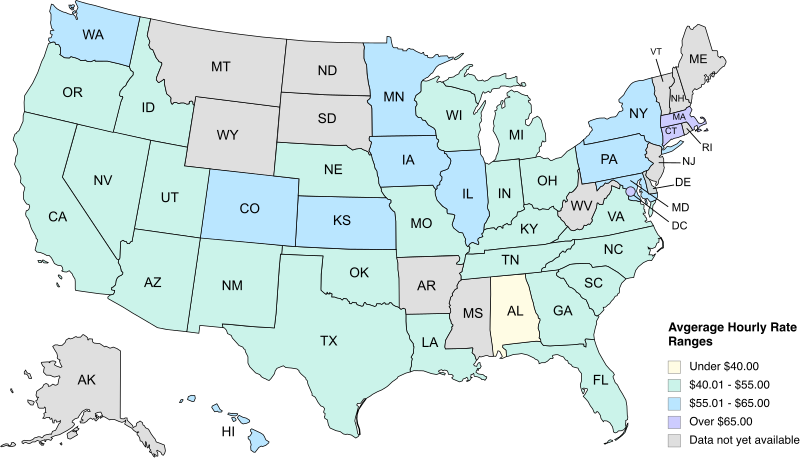
State-level pricing provides a broader view of what you might expect to pay for light fixture installation across different regions. Because light installation falls under the Electrical Help category on the Taskrabbit platform, the rates shown here reflect that wider range of electrical services. In most cases, light fixture installation costs align closely with these averages. This section is especially useful for comparing pricing across states, estimating costs outside major metro areas, or planning projects in a new location, giving you a clearer picture of regional cost trends.
Factors That Impact Light Installation Costs
Many variables go into the final price of installing light fixtures. Knowing these factors can help you understand quotes better and manage your budget. From the type of light you choose to the existing electrical setup, here’s what can influence the cost.
Fixture Type
The design and complexity of the light fixture itself significantly impact installation time and effort, thereby affecting the cost.
Recessed lighting: Often called can lights, these sit flush with the ceiling, offering a sleek, minimalist look. Installation can be more involved, especially if cutting new holes and running new wiring is necessary.
Chandelier: Large, decorative, and often heavy, chandeliers typically require a secure mounting brace and may need two people for installation. Higher ceilings or intricate assembly can also increase labor time.
Pendant lights: These hang from the ceiling by a rod or chain, often over kitchen islands or dining tables. They are generally simpler to install than chandeliers, but multiple pendants in a row will increase the overall cost.
Ceiling lights: This category includes flush mounts and semi-flush mounts. They are usually the most straightforward to install, especially when replacing an existing fixture in the same spot.
Outdoor lighting: Exterior lights require weather-resistant fixtures and specific wiring to protect against elements, which can add to the installation complexity and cost.
Wall-mounted lights: Sconces, picture lights, and vanity lights are examples of wall-mounted fixtures. Their installation might involve opening walls to run new wiring or ensuring proper support.
Track lights: These feature multiple adjustable light heads along a single track. Installation involves mounting the track securely and connecting it to power.
Ceiling Height
Installing lights on high ceilings, like those in a two-story foyer or a vaulted living room, often requires specialized equipment such as tall ladders or scaffolding. This extra equipment and the increased safety precautions naturally add to the labor time and, therefore, the overall cost.
Number of Lights
It makes sense that installing multiple light fixtures will cost more than installing just one. However, the per-fixture cost might decrease slightly if they are all installed in the same visit, as the installer is already on-site and set up.
Electrical Work Needed
The condition of your existing electrical system is a major cost driver. New wiring or upgrades will always cost more than a simple swap.
Existing vs. new wiring: Replacing an old fixture with a new one in the same spot, using existing, safe wiring, is the most cost-effective scenario. Running new wiring for a brand-new fixture location or adding lights where none existed will be more expensive.
Junction box upgrades: Older homes might have outdated or improperly sized junction boxes that need to be replaced or upgraded to safely support a new fixture, adding to labor and material costs.
New switches: If you want to add a new wall switch to control your lights, or relocate an existing one, it involves additional wiring and potentially opening up walls, which increases the total price.
Circuit upgrades: Heavy-duty fixtures, or adding many new lights to one area, might require a dedicated circuit or an upgrade to your existing electrical panel to prevent overloads, a more significant electrical job.
Drywall Repair
Some light fixture installations, especially those involving the relocation of a fixture or running brand-new wiring, require opening up sections of your ceiling or walls. For example, if you move a pendant light to a new spot, the original location will leave a hole that needs to be patched. While many professionals will perform basic patching to close these gaps, keep in mind that specialized finishing, sanding, and painting are often considered separate tasks that can add to the total project time and cost.
Labor Rates
Labor is the primary cost driver for light fixture installation, and rates vary based on your local market and the professional’s experience. Labor rates may consist of:
Hourly or flat rates: Many professionals charge by the hour, though some may offer flat-rate pricing for straightforward, one-for-one replacements.
Service minimums: It is common for independent contractors and professionals to have a one- or two-hour service minimum. This ensures their travel and setup costs are covered, even for a quick job like a single flush-mount swap.
Travel fees: Depending on your location, some professionals may include a small additional fee for travel or specialized equipment transport.
How Long Does Light Fixture Installation Take?
Simple installations can take as little as 1 hour, while more complex jobs may take all day if new wiring is needed. Setting realistic expectations for how long your light fixture installation will take is important, whether you're doing it yourself or hiring help. Project timelines can vary significantly based on several factors, such as the complexity of the electrical work, the type of fixture being installed, the accessibility of the installation area, and even the number of lights you're having installed. High ceilings, the need for new wiring, or the sheer size of a chandelier can all extend the timeline.
Here's a general idea of how long different types of installations might take:
Basic light replacement (e.g., flush mount, simple pendant): Typically takes 1 to 2 hours per fixture when replacing an existing light with no new wiring needed.
Recessed lighting (existing wiring, new fixture): For a single recessed light replacing a previous fixture, expect 2 to 3 hours. Adding new recessed lights where there were none, involving new wiring, can take significantly longer per light.
Chandelier installation (standard ceiling): A moderately sized chandelier can take 2 to 4 hours, especially if assembly is required. Very large or complex chandeliers on high ceilings will take longer.
New wiring projects: If you're installing lights in a completely new location, or running new wiring for multiple fixtures, this can be an all-day project or even spread across multiple days, depending on the scope.
Light Installation Costs by Fixture Types
Different types of light fixtures present varying levels of complexity during installation, which directly translates to different price points. From simple flush mounts to elaborate chandeliers, understanding these cost ranges can help you budget for your lighting upgrade.
| Fixture | Estimated Cost |
|---|---|
| Chandelier | $400 - $2,000 |
| Track lights | $200-$500 per fixture |
| Ceiling lights | $75-$250 per fixture |
| Pendant lights | $150-$300 per fixture |
| Outdoor lighting | $100-$500 per fixture |
| Recessed lighitng | $150-$300 per fixture |
| Wall-mounted lights | $50-$250 per fixture |
DIY vs. Hiring Help to Install Lights
Deciding whether to tackle a light installation yourself or hire a professional comes down to a few key factors: your comfort level with electrical work, the complexity of the job, and your available time. While DIY can save money on labor, it’s crucial to weigh the potential risks and ensure the job is done safely and correctly.
When to DIY Light Installation
Whether you are a seasoned DIYer or a first-time homeowner, many light fixture updates are safe and satisfying to tackle as a personal project. If you are comfortable working with existing wiring and have the right tools on hand, DIY may be a feasible option when you are:
Replacing a fixture with existing wiring: If you're simply swapping out an old fixture for a new one in the same spot, and the existing wiring is in good condition, it's often a manageable DIY project. Always turn off the power at the breaker first!
Installing simple ceiling lights: Basic flush-mount or semi-flush-mount ceiling lights that don't require new wiring or extensive assembly are generally easier for homeowners to install.
Working with plug-in fixtures: Lamps or string lights that simply plug into an outlet require no electrical wiring knowledge and are entirely safe for DIY installation.
When to Hire Help for Light Installation
For more complex projects, bringing in someone with experience ensures the job is completed safely and adheres to local building codes. Hiring help may be the best choice if your light installation project matches any of the following scenarios:
New wiring: If you're adding lights where there weren't any before, or relocating a fixture, you'll need new wiring run. This requires expertise to ensure proper and safe electrical connections, avoiding fire hazards.
High ceilings: Installing fixtures on vaulted or very high ceilings can be dangerous without the right equipment, like tall ladders or scaffolding, and experience working at heights.
Heavy fixtures: Large chandeliers or other heavy lights need to be securely mounted to ceiling joists or a proper support brace. Mismanaging this can lead to the fixture falling, causing damage or injury.
Electrical code concerns: Professionals understand local electrical codes and permits. Incorrect wiring can be a safety hazard, leading to electrical shorts, fires, or even electrocution. Hiring a trusted professional ensures your installation meets safety standards.
How to Save Money on Light Fixture Installation
While hiring a professional for complex light installations is a smart safety choice, there are still ways to manage and reduce your overall costs. Here are some actionable tips to help you save money:
Install multiple fixtures at once: If you have several lights that need installing, scheduling them all for one visit can often be more cost-effective. Installers may offer a slightly reduced rate per fixture compared to individual appointments, as they are already on-site.
Use existing wiring: Opting for replacements in existing locations with good wiring is always cheaper than adding new wiring runs, which requires more labor and potentially opening up walls.
Buy your own fixtures: Purchasing the light fixtures yourself gives you control over material costs and allows you to shop for sales or specific styles that fit your budget.
Compare quotes: Don't settle for the first estimate you receive. Get quotes from a few different trusted professionals to ensure you're getting a fair price for the work.
Prep the area in advance: Clear the workspace, move furniture, and have the new fixtures unboxed and ready to go. This can save the installer time, potentially reducing labor costs.
Frequently Asked Questions about Light Installation
Tipping for light installation isn't typically mandatory, but it is always appreciated, especially for excellent service or a job that went above and beyond expectations. If you choose to tip, a common practice is to offer 10% to 20% of the total service cost, or a flat amount of $10 to $20 for smaller jobs.
You do not always need a licensed electrician to install a light fixture. For simple fixture replacements where existing, safe wiring is present, a general handyman with electrical experience can often handle the job. However, if the project involves new wiring, moving electrical boxes, upgrading circuits, or any work on your home's main electrical panel, it's highly recommended to hire a licensed electrician for safety and code compliance.
You typically do not need a permit to simply replace an existing light fixture with a new one in the same location. However, a permit is usually required if the installation involves new electrical wiring, moving switches or outlets, adding new circuits, or making significant changes to your home's electrical system. Always check with your local municipality or building department to understand specific requirements in your area before starting any major electrical work.