How Much Does Landscaping Cost?
Starting at $51 per hour on average in the U.S.
Updated on September 1, 2026
Table of Contents
Get the Cost for Landscaping Services Near You
Browse different rates from various landscapers in your area and select the one that fits your budget and needs.
Get Landscaping RatesLandscaping Cost Estimates Supplemented with Real Taskrabbit Data
Landscaping can transform the look and feel of your home, but understanding the cost is essential before starting any project. Whether you want simple garden updates or a full outdoor living overhaul, this guide breaks down pricing in clear, easy-to-follow terms using research and real Taskrabbit data so you can budget confidently. Landscaping services cost around $51 per hour in the United States.
Average Cost for Landscaping Services in Major U.S. Cities
Understanding typical landscaping costs can help you quickly determine whether your project is a small refresh or a more significant investment.
Landscaping prices vary depending on project size, complexity, materials, and regional labor rates, so we’ve gathered real average hourly rates and total costs from major U.S. metros based on Taskrabbit jobs completed and supplemental research to give you an idea of what you can expect to spend in your area.
| City | Avg Hourly Rate | Average Project Total |
|---|---|---|
| New York City | $65 | $257 |
| LA & OC | $53 | $169 |
| SF Bay Area | $57 | $215 |
| Chicago | $60 | $215 |
| Washington DC | $67 | $219 |
| Seattle | $66 | $285 |
| Miami | $52 | $176 |
| Boston | $69 | $258 |
| Austin | $55 | $234 |
| Denver | $54 | $212 |
Average Hourly Rates for Landscaping Services by U.S. State
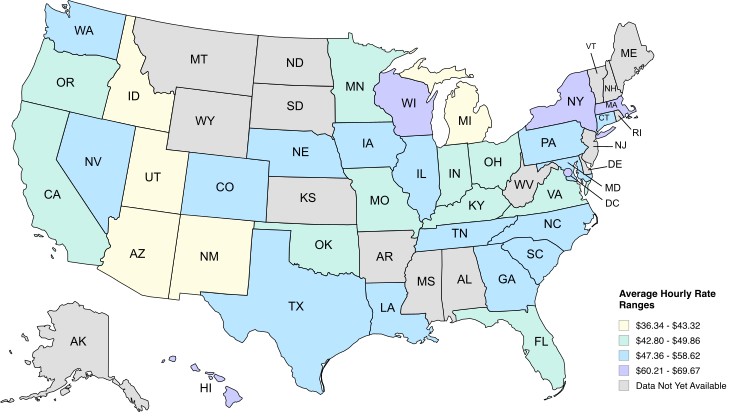
Outside of major cities, the average cost of landscaping services varies from state to state as well. This color-coded map breaks down average hourly rates by 4 pricing tiers to help you easily identify cost expectations in your specific state.
Hourly rates for landscaping services start at $36.34 on average in Idaho and New Mexico, while states like Wisconsin and New York can see rates up to $69.67 per hour on average.
Factors that Impact How Much Landscaping Costs
Many factors influence the final cost of landscaping, and understanding these will help you interpret quotes with more confidence. Each project is unique, but most share similar cost drivers.
Hourly Rates
Some landscapers will charge per hour for projects. This is typical for maintenance, consulting, or incremental improvements. Rates can range from $50 per hour for standard landscaping labor, and rise to $250 per hour for specialized work from a landscape architect.
Type of Landscaping
Landscaping projects generally fall into a few core categories, each serving a different purpose in shaping your outdoor space. Understanding these types can help you decide what your yard needs and how to plan your budget.
Softscaping: The living, organic elements of your yard, such as plants and soil. Examples of softscaping include planting shrubs, laying sod, and adding mulch beds. Softscaping can cost around $4-$6 per square foot.
Hardscaping: The constructed, non-living features that add structure and definition, such as patios, walkways, and retaining walls. Hardscaping can cost $10-$15 per square foot.
Irrigation systems: The tools and equipment used to water your landscape efficiently, including sprinkler systems, drip irrigation lines, and smart controllers.
Landscape lighting: Outdoor lighting used for visibility, safety, and ambiance. Examples: include pathway lights, uplighting for trees, and patio accent lights.
Water features: Decorative elements that incorporate moving or still water, such as fountains, backyard ponds, and bubbling rocks.
Xeriscaping: Water-efficient landscaping designed for sustainability and low maintenance. Examples of xeriscaping include drought-tolerant plants, gravel beds, and drip irrigation. Xeriscaping can cost $5-$20 per square foot.
Outdoor living upgrades: Additions that extend your home’s living space into the outdoors, such as pergolas, fire pits, and outdoor kitchens.
Project Type
Homeowners regularly complete a wide range of landscaping projects when improving or upgrading their outdoor spaces, and these tasks typically involve installing new features, refreshing existing designs, or shaping the overall layout of the yard.
Planting trees and shrubs: Adding structural plants that define your landscape and contribute long-term shape and style.
Installing garden beds: Creating new planting areas with soil preparation, edging, and layout design.
Sod installation: Establishing a new lawn or replacing patchy turf with fresh sod.
Installing pathways and walkways: Creating routes through the yard using stone, gravel, concrete, or pavers.
Building patios or seating areas: Installing pavers or stonework to create outdoor living and dining spaces.
Retaining wall installation: Adding walls to manage slopes, prevent erosion, or define garden areas.
Edging installation: Using stone, brick, metal, or composite edging to create clean, defined borders around beds and pathways.
Irrigation system installation or expansion: Setting up sprinkler systems, drip irrigation lines, or additional watering zones.
Landscape lighting installation: Adding lighting to highlight features, illuminate pathways, or enhance nighttime ambiance.
Decorative rock or gravel installation: Incorporating stone or gravel for low-maintenance beds, accents, or pathways.
Water feature installation: Adding elements such as fountains, bubbling rocks, or small ponds.
Drainage improvements: Installing French drains, swales, or grading solutions to manage water flow and prevent pooling.
Some routine lawn care tasks, such as mulching, pruning, or general cleanup, can be considered landscaping when they are part of a larger design update, even though they are typically classified as ongoing yard maintenance.
Materials
Different material selections can dramatically shift pricing because of their durability, appearance, and installation difficulty.
Sod: $0.35–$0.85 per square foot
Turf: $2–$6 per square foot
Rocks/gravel: $40–$100 per cubic yard
Mulch: $2-15 per bag
Retaining wall blocks: $3–$40 per square foot
Pavers: $1–$25 per square foot
Topsoil: $12–$55 per cubic yard
Yard Size (Square Footage)
A larger yard generally increases the amount of soil, mulch, plants, and labor required, which directly impacts the total price.
Generally, you can expect a price range from $4-17 per square foot, with prices rising as high as $40 per sq. ft. depending on the project’s complexity.
Bigger spaces may also require more equipment, such as skid steers or trenchers, especially for grading or irrigation.
Design and Complexity
More intricate designs require more skilled labor and longer installation times. Complex curves, multi-level patios, retaining walls, or custom lighting plans increase the total cost because they demand additional expertise and time.
Site Conditions and Accessibility
Sloped yards, compacted soil, narrow access points, or existing structures can add labor and equipment time. Projects requiring significant grading, tree removal, or soil replacement will cost more than those with easier access.
Location
Markets with higher living costs generally have higher hourly rates, which translates to higher overall project costs. It is also possible to be charged a travel fee depending on where the landscaping is coming from.
Property Characteristics
Property characteristics play a major role in determining overall landscaping cost because every property has its own opportunities and limitations.
New homes often require more upfront investment since they frequently start with bare soil, no defined beds, and limited irrigation. Front yards tend to cost less than backyards due to smaller square footage and easier access, while backyards may require additional materials, privacy features, or structures to support everyday use.
Ongoing vs. One-Time Projects
Landscaping prices can differ depending on whether the work is a one-time installation or an ongoing maintenance task. One-time projects like laying sod or building a patio come with higher upfront costs, while recurring tasks such as pruning or refreshing mulch have smaller, repeated expenses. Some services, like planting shrubs or spreading mulch, can fall into either category depending on whether they’re part of a larger redesign or routine care.
How Landscaping Adds Home Value
Landscaping is a home improvement project that often provides a strong return on investment. An appealing and functional yard improves first impressions and enhances the usability of your outdoor space
Well-maintained landscaping can boost your home’s value by 15-20% on average. When considering the average landscaping cost, realize that the increase in home value can offset the money you put in for the improvement.
Common Landscaping Projects and Their Average Cost
Understanding the typical price range for common landscaping projects can help you compare options and set a realistic budget. Here’s a quick look at what you can expect to pay for popular projects.
| Common Project | Cost Range |
|---|---|
| Mulching | $35-$100 per cubic yard |
| Laying sod | $950-$4000 |
| Creating pathways | $8-$22 per square foot |
| Patio installation | $2000-$5800 |
| Retaining wall construction | $1500-$6000 |
| Pond or fountain installation | $300-$7000 |
| Planting trees, flowers, or plants | $40-$1200 |
| Maintenance (lawn mowing, trimming, cleanup) | $50-$500 |
Hidden or Unexpected Landscaping Costs to Consider
Landscaping projects can involve surprise expenses that aren’t always obvious at the start. Knowing these potential add-ons can help you build a more realistic budget and avoid mid-project surprises.
Prep work: Removing old plants, clearing debris, leveling soil, or grinding stumps often adds extra labor. Land surveying can cost up to $750, soil testing up to $2,000, and tree removal also up to $2,000.
Permits: Retaining walls, major grading, decks, and some water features may require city permits and inspections. Permits can range from $50-$500+ depending on the project.
Poor soil conditions: Compacted, rocky, or nutrient-poor soil may need amendment or replacement before work begins.
Drainage fixes: Standing water or improper slope sometimes requires grading or drainage solutions.
Hidden utility or irrigation lines: Unmarked sprinklers, pipes, or shallow utility lines can require rerouting or repairs.
Tree or root complications: Large trees or extensive root systems may require specialty removal or additional equipment.
Material delivery fees: Heavy materials like stone or soil may come with separate delivery charges.
Waste disposal: Hauling away old soil, concrete, or plant material may not be included in initial estimates.
Tips to Save Money on Landscaping Services
There are several simple ways to reduce landscaping costs without sacrificing quality, and making strategic choices early can help you stay within budget while still achieving a beautiful outdoor space.
Choosing younger plants instead of mature ones: Younger shrubs and trees cost significantly less and will fill in over time with proper care.
Phasing your project: Breaking your landscape plan into stages allows you to spread out costs and prioritize essentials first.
Opting for cost-effective materials: Alternatives like gravel pathways, composite edging, or concrete pavers can be more affordable than natural stone.
Selecting native or low-maintenance plants: Regional plants typically require less water, fertilizer, and long-term maintenance.
Simplifying the design: Minimizing curves, reducing material variety, or keeping bed shapes straightforward can lower both labor and material costs.
Considering the time of year: Some tasks, especially hardscaping or planting trees and shrubs, may be less expensive during slower fall or winter months when demand is lower.
Using what you already have: Keeping healthy plants, repurposing stones, or refreshing garden beds can reduce the need for new materials.
Handling light DIY tasks: Tasks like mulching, planting small flowers, or basic cleanup are manageable for most homeowners and reduce labor costs.
Getting multiple quotes: Comparing estimates helps ensure fair pricing and gives you a better sense of local market rates.
Planning ahead for maintenance: Choosing plants and layouts that match your upkeep preferences helps reduce long-term costs and prevents unexpected expenses.
DIY vs. Hiring a Landscaper
Some landscaping tasks are simple and rewarding to complete yourself, while others require expertise and specialized equipment. Knowing when to bring in a professional can help prevent costly mistakes.
DIY
Doing the landscaping work yourself is best for simpler tasks like mulching, planting flowers, or basic lawn care. Owning these jobs on your own can reduce overall project cost, with increased flexibility and personalization.
Hiring a Landscaper
Complex projects such as hardscaping, irrigation installation, grading, and electrical lighting require training, precision, and equipment that are best suited for a professional.
In many situations, homeowners will do a hybrid approach, with a landscaper handling the larger projects, like installing a patio, then planting the surrounding garden beds themselves.
How to Choose a Landscaper
Finding the right landscaper becomes much easier when you know what to look for and what information to share. A little preparation helps you connect with someone who understands your vision and can provide a clear, accurate estimate for the work.
Start with trusted platforms: Look for professionals with strong reviews, clear service offerings, and photos of past work.
Match experience to your project: Choose someone who regularly handles the type of work you need, whether that’s hardscaping, planting, lighting, or full-yard planning.
Share clear project details: Providing photos, measurements, and examples of your preferred style helps landscapers give precise estimates.
Request written quotes: A written estimate should outline the scope, materials, labor, and any potential additional charges. Pro tip: get more than one quote to compare costs.
Ask what’s included: Clarify whether the quote covers materials, prep work, cleanup, disposal, or irrigation adjustments.
Consider communication and availability: A landscaper who responds quickly and can align with your timeline will help your project run smoothly.
Be cautious of unusually low estimates: Very low pricing or vague scopes can signal inexperience or future add-on costs.
Frequently Asked Questions About Landscaping Services
It is common to tip landscapers 10% to 20%, though it is not required.
Commercial landscaping can cost 10–30% more than residential landscaping as the work is typically on a larger scale.
Most homeowners spend between $3,500–$17,000, based on yard size and project type.
Hardscaping usually costs two to four times more per square foot due to materials and labor requirements.
Mulching, planting young shrubs, and DIY garden bed creation are affordable and impactful.