How Much Does Hiring a Handyman Cost?
Starting at an average of $38/hour
Updated on March 1, 2026

Table of Contents
Get the Cost for Handyman Services Near You
Browse different rates from various handymen in your area and select the one that fits your budget and needs.
See RatesHandyman Cost Estimates Supplemented with Real Taskrabbit Data
From furniture assembly to smart home installation, hiring a handyman can help you in many different ways, but with their versatile skill sets and tasks offered, it may be difficult to get an idea of how much they cost. Using research and real Taskrabbit data, this guide provides a realistic look into what you can expect to pay when hiring a handyman. Handymen hired through Taskrabbit average around $38 per hour, while nationally the cost averages between $50-$125 per hour in the U.S
Average Cost for Handyman Services in Major U.S. Cities
Hiring a handyman is one of the easiest ways to keep your home running smoothly by helping you knock out those “I’ll get to it later” jobs.
For the convenience of having someone else do it for you, you’re probably wondering how much it’ll cost, so we’ve gathered real average hourly rates and total costs from major U.S. metros based on Taskrabbit jobs completed and supplemental research to give you a realistic sense of what booking a handyman might cost.
| City | Avg Hourly Rate | Avg Invoice Total |
|---|---|---|
| New York City | $66 | $176 |
| LA & OC | $43 | $124 |
| SF Bay Area | $58 | $199 |
| Chicago | $57 | $139 |
| Washington DC | $61 | $157 |
| Seattle | $55 | $167 |
| Miami | $47 | $142 |
| Boston | $72 | $202 |
| Austin | $51 | $170 |
| Denver | $52 | $149 |
Average Handyman Hourly Rates by U.S. State
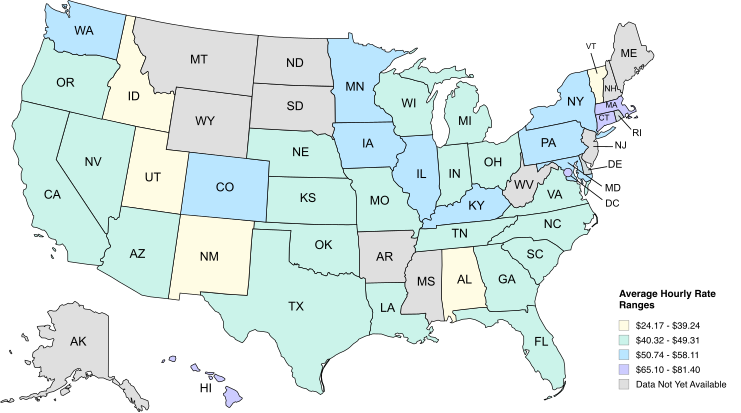
The map above shows average hourly rate ranges for handyman services at the state level, offering a broader view beyond individual city averages. While rates vary across the country, most states fall within the central pricing ranges, with only a small number, including Massachusetts and Connecticut, appearing in the highest rate tier. This pattern reflects how statewide averages balance a wide mix of project types and local markets. As a result, this map is most helpful in understanding overall pricing distribution and regional trends.

Factors that Impact How Much a Handyman Costs
Handyman pricing varies based on time, materials, and labor intensity, and understanding what drives the total price you pay helps you more accurately budget. Rates also fluctuate depending on the complexity of the project, level of expertise required, and whether you need same-day service. Knowing these factors upfront allows you to compare quotes confidently and plan for any additional costs that may arise.
Job Size
Handyman jobs may be sized as:
Small. Simple tasks that take less than 2 hours, such as hanging decor or unclogging a toilet.
Medium. Jobs that take 2-4 hours, such as installing a faucet or patching drywall.
Large. A half or full-day job, such as painting a room or repairing a deck.
Job Complexity
Complexity can also influence cost. For example, while replacing an electrical outlet might be a quick job, the age of the home and wiring set-up may make it more complex, thus upping the cost.
Labor (flat-rate vs. hourly)
Most handyman jobs are priced either hourly or at a flat rate when the task is predictable (like installing a ceiling fan or assembling furniture). When getting a quote, be sure to clarify which pricing model will be used.
Materials and Supplies
You can provide materials yourself, or the handyman may supply them with a 10–30% markup.
Materials needed may include:
Hardware and connectors
Paint & caulk
Plumbing components
Electrical parts
Skill Level and Licensing
Handymen are great for general repairs, but licensed trades (plumbers, electricians, HVAC techs) usually cost more due to training & regulations.
If the job requires permits, code compliance, or specialized tools, expect higher pricing.
Location and Travel Required
Total costs of hiring a handyman may be up to 20% higher in areas with a higher cost of living, like major U.S. cities. At the same time, if travel is required to a remote or rural area, this can increase cost as well. Regardless of location, some handymen will charge for distance travelled, which can be a per-mile or flat-rate travel fee.
Accessibility and Job Conditions
Jobs that require the handyman to go into tight, limited, or potentially dangerous may be more expensive. For example if a handyman needs to go into an attic or a crawls-space, this can cause the job to take longer due to the limited working room.
Timing
Evening, weekend, or same-day service often includes premium pricing.
Service Minimums
It is common for handymen to charge a minimum, typically of 1-2 hours. This means that even if your task takes only 15 minutes to complete, they will charge for a full hour.
How are Handyman Costs Calculated?
To provide you with a cost estimate, a handyman will:
Have you describe the job you need done
Estimate the amount of time it will take them to complete the task
Determine what materials and tools are needed
Confirm who will be responsible for providing the materials
Apply a travel, minimum charge, or flat-rate fee if applicable
Deliver a quote that considers the previously mentioned factors, such as skills/experience, accessibility, and timing.
Common Handyman Projects and Their Average Cost
A handyman or handyperson is known for being a jack-of-all-trades, with the ability to complete many different types of tasks. If you’re reminded of your leaky faucet every time you do dishes, or you’ve got art that you’ve been meaning to frame for weeks, a handyman can get that done for you. See the average cost of various handyman tasks below.
| Project | Average Cost |
|---|---|
| Mounting | $150 |
| Carpentry | $400 |
| Plumbing Work | $250 |
| Drywall repair | $250 |
| Electrical Work | $350 |
| Furniture assembly | $150 |
| Flooring and tiling | $650 |
| AC unit installation | $150 |
| Sealing and caulking | $150 |
| Painting (full house) | $2000 |
| Painting (single room) | $500 |
| Wallpapering (per room) | $500 |
| New cabinet installation | $1500 |
| Window treatments (per window) | $300 |
| Blind installation (per window) | $200 |
| Appliance installation and repairs | $300 |
Hidden or Unexpected Handyman Costs to Consider
When budgeting for a handyman, make sure you factor in these sometimes overlooked costs:
Permits. Permits may be required for electrical or plumbing work. Check your local requirements ahead of time to be sure.
Cleanup and disposal. If your hired handyman needs to discard debris, junk, or even hazardous materials, you may be charged an additional fee.
Minimum charges. As a reminder, it is common for a minimum service fee to be put in place. If your task is quick (typically less than an hour), don’t be surprised if you get charged for a full hour, or even 2.
Tips to Save Money on Handyman Services
If you’re ready to spend on a handyman, but still looking to save a few dollars, consider these tips:
Send pictures or videos. Providing as much detail as possible when getting a quote can help a handyman accurately estimate your job cost.
Bundle jobs. If you have a few things that need to be done, combine them into one visit to make the most out of your handyman’s visit.
Provide your own materials. When possible, having your own tools and materials ready can result in saved dollars.
Prep the area. As much as possible, have the space cleaned and accessible. If the hired handyman has to do prep or cleaning, this risks adding additional time to your task and thus a higher cost.
Book on a weekday. Rates may be higher on weekends when more people tend to be free and at home to monitor these tasks.
Get multiple quotes. Shop around for the best deal if you’re looking to save.
Schedule in advance. Last-minute bookings, while sometimes unavoidable, can result in an upcharge.
Contractor vs. Specialist: Which Option Should You Pick?
Whether you maintain a home, manage a rental property, run a business, or simply need a few repairs, choosing the right person for the job can save time, money, and unnecessary frustration. Here’s how DIY, a handyman, a contractor, and a specialist compare, and when each one is the right fit.
DIY
When you do it right, DIY can be the most affordable and flexible option. At the same time, you’ll need to have the tools and skills required to complete the job. DIY is best suited for projects that are:
Simple with clear instructions
Low-risk
Not needing complex tools
Handyman
A handyman is versatile and may be more cost-effective, but is limited in the work they can do. Typically, a handyman is best for:
Small to medium home repairs
Fixture swaps (faucets, lights, fans)
Furniture assembly
Drywall patching
Painting small areas
Minor plumbing and electrical tasks that do not require permits
Contractor
Contractors can handle complex jobs, but will likely cost more than a handyman. Booking a contractor may be best for:
Renovations or remodels
Structural changes (walls, beams)
Permitted electrical/plumbing work
Additions or large outdoor project
Specialist
Specialists are highly skilled, licensed experts that offer code-compliant and precise work. The downside is that most often will be the most expensive option. Specialists are best to book for:
Electrical rewiring or circuit installation
Plumbing beyond fixture replacement (leaks in walls, water lines, water heaters)
HVAC repairs and installations
Roofing and waterproofing
Tile setting and stonework
Appliance repairs
Smart-home systems requiring certification
Overall, a handyman is the best choice for everyday repairs that do not require permits, and that you may not be confident in doing yourself.
How to Choose a Reliable Handyman
When spending your hard-earned money on a handyman, you want to be sure the job is done right. To feel confident in your decision on who to hire, look into:
Reviews and ratings
Licensing
Insurance options provided, if any
Estimated rates (Pro tip: get them in writing)
Experience with similar jobs
Payment options
Questions to Ask a Handyman Before Booking
When you are vetting a handyman or service company, consider asking these questions to feel confident in your decision:
How do you price jobs (hourly or flat rate)?
What is your minimum service fee?
Are you insured?
Do you guarantee your work?
Can I see examples of similar jobs you've done?
Do you provide materials?
Are there any potential extra fees?
Frequently Asked Questions About Handyman or Handywoman Services
Should I tip a handyman?
While tipping may not be required, people typically tip 5% to 15% to thank their handyman for their service.
Is it cheaper to hire a handyman hourly or by a flat-rate?
It depends on the task. Hourly pricing is often best for small or unpredictable repairs, while flat rates are usually cheaper for clearly defined jobs
Can handyman prices be negotiated?
Potentially! You may be able to negotiate rates if you bundle tasks, commit to hiring them for ongoing work, or book during off-peak times.
Is there a maximum a handyman can charge?
There’s no legal maximum rate for handyman services, but many states regulate the type and dollar value of work a handyman can perform without a contractor’s license. Some states set a project limit (for example, $500 or $1,000) for unlicensed work, while others restrict electrical, plumbing, HVAC, or gas-line tasks to licensed professionals only.