How Much Does Fence Repair Cost?
Starting at an average of $38/hour
Updated on September 1, 2026
Get the Cost for Fence Repair Services in Your Area
See fence repair costs near you and select the one that fits your budget and needs.
Get Fence Repair RatesFence Repair Cost Estimates Supplemented with Real Taskrabbit Data
A damaged fence can be a real headache, whether it’s a leaning post, a broken panel, or wear and tear from a recent storm. Understanding the cost of fence repair is the first step toward getting your yard back in shape.
To provide you with a better idea of what you can expect to spend on fence repair jobs, we’ve analyzed real Tasker data alongside supplemental market research. When booking through Taskrabbit, fence repair is part of the Minor Home Repairs category, which costs $38 per hour on average. Read on to understand what impacts these rates and how you can save.
How Much Does Fence Repair Cost in Major U.S. Cities?
Fence repair costs can vary significantly depending on your location, primarily due to differences in local labor rates and material availability. Larger metropolitan areas often have higher prices for services compared to smaller towns or rural regions. Since fence repairs are booked under the Minor Home Repairs category on Taskrabbit, the table below provides a snapshot of average hourly rates for these services in major U.S. cities to help you benchmark your local budget.
| City | Avg Hourly Rate | Avg Invoice Total |
|---|---|---|
| New York City | $65 | $180 |
| LA & OC | $50 | $142 |
| SF Bay Area | $62 | $183 |
| Chicago | $57 | $161 |
| Washington DC | $58 | $192 |
| Seattle | $65 | $216 |
| Miami | $46 | $180 |
| Boston | $60 | $116 |
| Austin | $54 | $185 |
| Denver | $54 | $156 |
Average Hourly Rates for Fence Repair Services by U.S. State
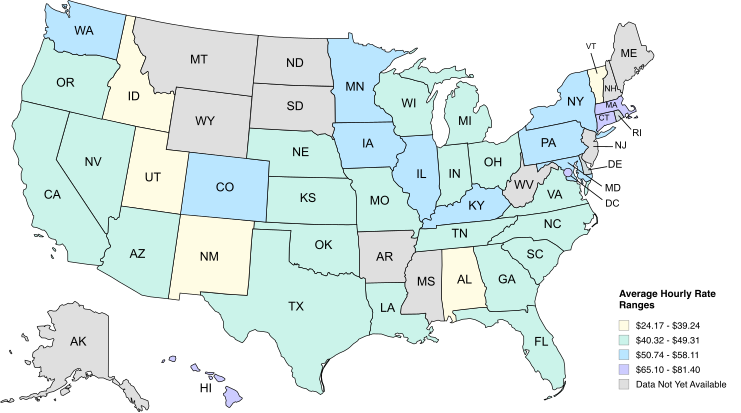
State-level pricing provides a broader look at how fence repair costs vary across regions. This view is especially helpful for comparing general pricing trends between states, estimating costs in less densely populated areas, or planning projects beyond your immediate city.
As a reminder, the state data above reflects hourly costs in the Minor Home Repairs category, which is what you would book for fence repair projects on the Taskrabbit platform.
What Factors Impact Fence Repair Costs?
Many elements contribute to the final cost of fixing a fence, making it important to understand how different situations influence your budget. From the type of damage to the materials involved and even where you live, several factors play a role in the overall expense.
Type of Repair and Severity of Damage
The nature and extent of the damage are often the biggest drivers of repair costs. A small, simple fix will naturally be less expensive than extensive structural work.
Cosmetic damage: This includes minor issues like loose pickets, a few sagging boards, or a faded finish. These repairs are typically quick, requiring minimal material and labor.
Structural damage: Problems such as leaning posts, cracked rails, or sections that have pulled away from the main structure are more complex. These require addressing the core stability of the fence.
Post replacement: Replacing a rotted or broken fence post involves digging out the old post, pouring new concrete, and setting a new one. This is a labor-intensive task, often requiring specialized tools.
Multiple-section damage: If several panels or sections are damaged, the material and labor costs can quickly add up. This often moves closer to the cost of replacing a larger section of your fence.
Storm damage: High winds, heavy snow, or falling trees can cause widespread damage, often affecting multiple posts, panels, and gates. These repairs can be extensive and may involve debris removal.
Material Type
The material your fence is made from significantly impacts both the cost of replacement parts and the specialized skills sometimes needed for repair.
Wood: Material costs generally range from $10 to $35 per linear foot. Wood is common, relatively easy to work with, but can be prone to rot, warping, and insect damage, requiring specific types of repair and maintenance.
Vinyl: This material generally ranges from $15 to $40 per linear foot. Vinyl is low-maintenance but repairs often involve replacing entire panels or sections, as individual components can be harder to match or repair invisibly.
Chain link: Costs for this material typically range from $4 to $15 per linear foot. Chain link is durable and cost-effective; repairs often involve patching holes, replacing damaged sections of mesh, or mending broken top rails.
Aluminum: Generally ranges from $15 to $50 per linear foot for this material. Aluminum fences are durable and lightweight. Repairs typically involve replacing bent pickets or sections, often requiring specialized welding or fastening techniques.
Wrought iron: Purchasing this type of material for fence repair will typically cost you $30 to $70 per linear foot. Wrought iron is highly durable and decorative but expensive. Repairs usually require specialized welding, blacksmithing skills, and custom fabrication for matching components.
Composite: The cost of composite fence material generally ranges from $25 to $80 per linear foot. Composite fences offer a blend of wood and plastic. Repairs are similar to vinyl, often requiring the replacement of entire boards or panels due to their manufactured nature.
Fence Size
The overall dimensions of your fence play a straightforward role in repair costs. Longer fence sections increase total material and labor costs, especially when multiple panels need repair. Taller fences require more materials and may involve additional structural reinforcement, increasing labor time and complexity.
Age and Overall Fence Condition
An older fence might hide more problems than meet the eye. Older fences may have hidden rot, rust, or weakened supports that expand the repair scope beyond the visible damage. If surrounding sections are deteriorating, trusted professionals may recommend broader repairs to maintain structural integrity and prevent future issues, which can increase initial costs but save money long-term.
Accessibility and Site Conditions
How easy it is to work on your fence can also impact the price. Limited yard access, steep slopes, rocky soil, or extensive landscaping obstacles can increase labor time and difficulty. Removing and resetting posts in concrete or compacted soil adds equipment and labor costs, especially if heavy machinery is needed.
Location and Labor
Where you live greatly affects labor rates. Labor rates vary by city and region, with urban areas typically charging higher hourly rates due to increased cost of living and demand. Material pricing and demand can also fluctuate based on local market conditions, affecting your overall project cost.
Emergency Repair Considerations
Sometimes, a fence needs fixing right away, like after a big storm. Same-day or after-hours service often includes premium labor rates due to the urgency and scheduling adjustments needed. Temporary stabilization or storm-related repairs may require additional materials and expedited scheduling, which can also add to the expense.
Permits and HOA Requirements
While most minor fence repairs don't need a permit, it's always good to check. Minor repairs typically do not require permits, but structural modifications, changes to the fence's footprint, or height changes may. Homeowners Association (HOA) guidelines may limit materials or design changes, potentially increasing compliance-related costs if you need to choose specific materials or styles.
How Long Does Fence Repair Take?
Understanding how long fence repair takes can help you plan and minimize disruption to your yard and daily routine. Most repairs are completed within a day or two, but more extensive damage can require longer.
Minor repairs (loose boards, small panel swaps): Typically a few hours
Fence post repair or reset: Often half a day to a full day, especially if concrete needs to cure
Gate repair or hinge replacement: 1-3 hours, depending on alignment issues and hardware replacement
Multiple panel replacements: One full day
Storm or structural damage: 1-2 or more days, depending on severity and necessary material replacement
Several factors can impact the timeline for fence repair, including the overall extent of the damage, the material type being repaired, and the crucial concrete curing time for post replacement. Weather conditions can cause delays, and the accessibility of your yard can also affect how quickly work can be completed.
What Do Different Types of Fence Repair Cost?
Knowing the estimated costs for specific types of fence repairs can help you budget more accurately. Keep in mind that these are general ranges, and your exact price will depend on the material, the extent of the damage, and local labor rates. The following estimates provide a general idea of what you might expect for common fence repair projects.
| Repair Type | Estimated Cost |
|---|---|
| Hole repair | $100-$250 |
| Rust repair | $250-$500 |
| Fallen fence | $250-$700 |
| Leaning fences | $200-$500 |
| Post replacement | $75-$250 per post |
| Hardware replacement | $50-$150 |
| Painting and staining | $300-$1,000 |
| Broken or missing panels | $150-$350 per panel |
| Rotting or damaged boards | $100-$500 |
| Gate repair or replacement | $300-$500 |
When Should You Repair vs. Replace a Fence?
Deciding whether to repair your fence or replace it entirely can be a tough call, often balancing immediate costs with long-term value. Generally, repairing makes sense when less than 50% of the fence is affected, but replacement becomes the more economical choice when structural integrity is widely compromised.
Consider Replacing Your Fence When:
More than half of the fence posts are rotted, broken, or leaning beyond repair.
Large sections of the fence are collapsing or severely warped
You're dealing with widespread insect infestation (like termites) or extensive rot across multiple panels
The cost of repairing individual sections repeatedly approaches or exceeds the cost of a full replacement
You want a significant aesthetic upgrade or a different material that better suits your needs
Consider Repairing Your Fence When:
Only a few panels or boards are damaged, loose, or missing
A single post is leaning or rotted, and the surrounding fence is otherwise sound
Your gate needs minor adjustments, hinge replacement, or a new latch
The damage is primarily cosmetic, such as surface cracks, fading, or minor rust
The fence is relatively new, and the damage is isolated to a small area
Should You DIY or Hire a Professional for Fence Repair?
When your fence needs attention, you might wonder if it's a project you can tackle yourself or if it's best left to a professional. The choice between DIY and hiring a trusted professional often comes down to your skill level, the complexity of the project, and how much time you have. Making the right decision can save you time, money, and ensure the repair is durable.
When DIY Fence Repair May Make Sense
Rolling up your sleeves can be a cost-effective solution for minor issues, such as:
Minor cosmetic damage, such as replacing a single board or picket
Tightening or replacing loose screws, nails, or brackets
Rehanging or adjusting a slightly sagging gate
Small chain link patch repairs using a repair kit
Surface rust removal and repainting metal fencing
Basic staining or sealing maintenance for wood fences
When Professional Fence Repair Is the Better Choice
For more complex or structural issues, a professional often has the tools, expertise, and experience to ensure a lasting repair. Consider hiring help if your situation matches any of the following:
Leaning or rotted fence posts requiring concrete work
Concrete footing replacement or significant ground disturbance
Multiple damaged panels or large sections needing replacement
Extensive storm or impact damage affecting the fence's overall stability
Fence sections pulling away from alignment or needing structural reinforcement
Structural instability or large perimeter damage
Concerns related to Homeowners Association (HOA) rules or obtaining permits
Working with heavy materials such as wrought iron or tall privacy fencing, which can be difficult and dangerous to handle alone
How Can You Save on Fence Repair Costs?
Keeping fence repair costs down often involves a mix of proactive maintenance and smart decision-making when damage occurs. With a little planning, you can minimize expenses and extend your fence's lifespan.
Inspect and fix early: Addressing minor issues like loose boards or small cracks as soon as you spot them can prevent them from escalating into more expensive, structural problems.
Shop materials in advance: If you know what materials you need, buying them during sales or from discount suppliers can reduce costs.
Bundle fixes: If you have multiple small issues, consider bundling them into one project. This can make a professional's visit more efficient, potentially reducing labor costs per fix.
Compare professional quotes: Get quotes from a few different professionals to ensure you're getting a fair price for the work needed.
Replace only damaged sections: Resist the urge to replace entire fence sections if only a few panels or posts are truly compromised. Focus on targeted repairs.
DIY minor tasks: For very small, cosmetic repairs, doing it yourself can save on labor costs.
How Can You Prevent Future Fence Repair Costs?
The best way to save on future fence repair costs is to take good care of your fence now. Regular maintenance can significantly extend its lifespan, helping you avoid unexpected and costly repairs down the road.
Inspect the fence annually for loose posts, cracks, rot, or rust
Seal or stain wood fences every two to three years to protect against moisture and UV damage
Improve drainage around fence posts to prevent water from pooling and causing rot
Keep sprinklers from spraying directly on fencing, especially wood, as constant moisture accelerates deterioration
Trim vegetation and remove climbing vines or heavy plant growth that can put stress on fence panels and posts
Tighten or replace loose screws, hinges, and hardware on gates and panels promptly
Reinforce or reset leaning posts early before they cause damage to adjacent sections
Repair minor storm damage immediately to prevent it from worsening over time
Clear debris buildup along the fence line, which can trap moisture and attract pests
Schedule periodic preventative maintenance before major wear occurs, such as re-securing loose panels
Frequently Asked Questions about Fence Repair
Tipping is not mandatory for fence repair services, but it is always appreciated for exceptional work. If you choose to tip, a common practice is to offer around 10-15% of the labor cost, or a flat amount like $10-$20 per person for a job well done.
Homeowners insurance typically covers fence repair or replacement if the damage is caused by a covered peril, such as a fire, lightning, vandalism, or a falling tree. However, it generally does not cover damage resulting from neglect, wear and tear, rot, pests, or floods. You should always consult your specific insurance policy and contact your insurance company for confirmation on what is covered.