How Much Does Tile Installation Cost?
Starting at an average of $54/hour
Updated on October 1, 2026
Table of Contents
- Get the Cost for Tile Installation Services Near You
- Tile Installation Cost Estimates Supplemented with Real Taskrabbit Data
- Factors That Impact Tile Installation Costs
- How Long Does Tile Installation Take?
- Common Tile Installation Projects and Their Average Costs
- Tile Installation Frequently Asked Questions
Get the Cost for Tile Installation Services Near You
Browse different rates for tile installation in your area and select the one that fits your budget and needs.
Get Tile Installation RatesTile Installation Cost Estimates Supplemented with Real Taskrabbit Data
Planning a home update with new tile? Understanding the potential costs upfront can help you budget effectively and avoid surprises.
Using research and real Taskrabbit data, this guide provides a realistic look into what you can expect to pay when hiring a floor and tile installation service. On average, tile installation costs $54 per hour in the U.S.
Average Cost to Install Tile in Major U.S. Cities
Tile installation costs can vary significantly depending on where you live. Factors like local labor rates, demand for skilled professionals, and the overall cost of living in a city can all influence the final price of your project.
| City | Avg Hourly Rate | Avg Invoice Total |
|---|---|---|
| New York City | $68 | $278 |
| LA & OC | $52 | $246 |
| SF Bay Area | $80 | $319 |
| Chicago | $63 | $218 |
| Washington DC | $69 | $323 |
| Seattle | $64 | $447 |
| Miami | $56 | $316 |
| Boston | $67 | $208 |
| Austin | $67 | $280 |
| Denver | $63 | $237 |
Average Hourly Rates for Tile Installation by U.S. State
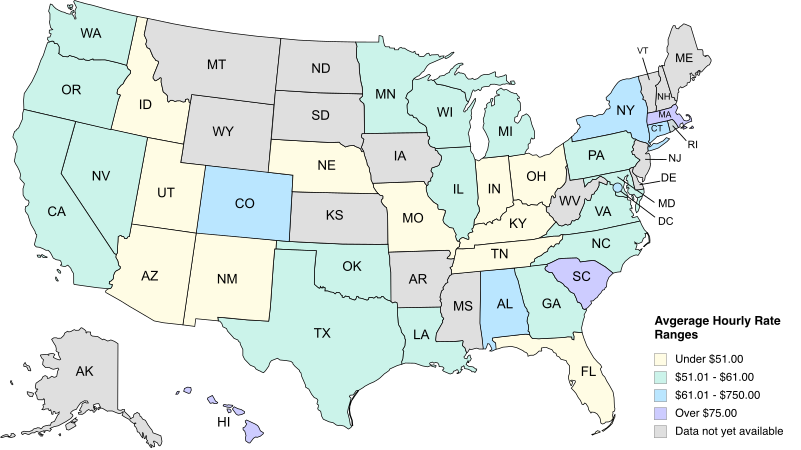
Beyond city-specific variations, tile installation costs also fluctuate across different states. Similarly to city rates, this difference is often due to regional economic differences, prevailing wages, and contractor availability. Understanding average costs at the state-level will help you get a better understanding of costs if you don’t live in a major U.S. city.
Factors That Impact Tile Installation Costs
Many elements come into play when calculating the total cost of tile installation. Understanding these factors will help you make sense of different quotes and plan your budget more accurately.
Installation Area
The specific area where you’re installing tile significantly impacts the cost due to varying complexities and prep work.
Floor tile: Often priced by square footage, these projects can see costs rise if extensive subfloor preparation, leveling, or cutting around obstacles like cabinets, toilets, or doorways is needed.
Wall tile: Typically more labor-intensive than floors because of vertical installation, requiring precise cuts and careful alignment to prevent sagging.
Kitchen backsplash: Though usually a smaller area, backsplashes can have a higher per-square-foot cost. This is due to the intricate cuts often required around outlets, switches, cabinets, and other kitchen fixtures.
Bathroom floor: This area may require additional prep work or specialized moisture protection, especially in older homes or spaces prone to high humidity.
Shower or tub surround: Generally the most expensive installation area. This is because it demands specific waterproofing requirements, sloped surfaces for drainage, built-in niches, and extended installation timelines due to meticulous work.
Fireplace surround or accent wall: Costs for these projects vary based on height, the type of tile chosen, and the complexity of the design, often requiring detailed layout planning and finish work.
Outdoor tile (patios, entryways): Installing tile outside may involve additional materials and labor for weather-resistant installation, proper drainage, and addressing varied outdoor subsurfaces.
Labor
While material prices vary significantly based on the tile you choose, labor is a more consistent expense based on the time and skill required for the installation. Labor costs for standard tile installation typically range from $5-$15 per square foot.
It is also common for many installers to charge a minimum project fee, typically between $300 and $500. If you have a very small area, such as a fireplace hearth or a single-wall backsplash, you may be quoted this flat fee rather than a per-square-foot rate.
Square Footage
The total area of your project is the multiplier that determines your final budget. Most professionals calculate their quotes based on the total surface area they need to prep, lay, and grout.
To get an accurate measurement, multiply the length of the room, wall, or area by its width. For irregularly shaped surfaces, break the space into smaller rectangles, calculate each separately, and add them together. Keep in mind that you will also need to account for extra material for cuts and breakage, which is covered in detail below.
On average, mid-range tiling materials cost between $2 and $10 per square foot, but your final total will depend heavily on the specific material quality and style you select.
Tile Type and Quality
The material of the tile you choose affects both its purchase price and the difficulty of its installation, which can increase labor costs.
Ceramic tile: This is a common and versatile choice that is relatively easy to cut and install. Because these durable tiles are available in a vast array of colors and patterns, they remain a budget-friendly option with an estimated material cost ranging from $1 to $5 per square foot.
Porcelain tile: This material is denser and less porous than ceramic, making it highly durable and water-resistant for high-traffic areas and wet spaces. While it can be harder to cut and may slightly increase labor time, you can expect material costs to fall between $3 and $10 per square foot.
Natural stone: Options like marble, travertine, and slate offer unique beauty and texture but are often more expensive and challenging to install. These tiles can be heavy, require specialized cutting tools, and may need sealing, with estimated material costs typically ranging from $5 to $20 per square foot.
Glass tile: This type is known for its reflective quality and is frequently used for backsplashes or accent walls. It is a delicate material that requires specific cutting techniques and a very flat substrate, with material costs generally estimated between $10 and $30 per square foot.
Mosaic tile: These consist of small tiles often pre-mounted on mesh sheets to speed up placement. Despite the mesh backing, intricate designs still require careful alignment and extra grout work, leading to estimated material costs of $10 to $25 per square foot.
Waste Allowance
It's standard practice to purchase extra tile, typically 5-15% more than the calculated square footage. This waste allowance accounts for cuts, breakage during installation, and provides spare pieces for any future repairs. While it increases your initial material cost, it saves you headaches and potential difficulties matching discontinued tiles down the line.
Surface Prep and Demolition
Before any new tile goes down, the surface needs to be ready. Removing old flooring, leveling uneven surfaces, repairing damaged subfloors, or even reinforcing the floor can add significant labor and material costs to your project. Proper preparation is crucial for a durable and aesthetically pleasing finish.
Location
As mentioned earlier, tile installation costs vary by city and state. These differences are primarily due to local labor rates, the demand for skilled installers, and the general cost of living in a particular area.
Complexity and Layout Design
The more intricate your tile layout, the more time and skill are required, which means higher labor costs. Simple, straight-lay designs are typically the most affordable. Diagonal patterns, herringbone, basketweave, mosaics, or complex borders require more detailed cuts, careful planning, and precise placement, significantly increasing installation time and cost.
Additional Materials
Beyond the tile itself, several other materials are essential for a successful installation. Costs may increase due to the need for specific types of grout, thinset mortar, underlayment, trim pieces, edging, or cement backer board. These items are not always included in base estimates and can add up.
Waterproofing or Specialty Work
For wet areas like showers, bathrooms, or laundry rooms, specialized waterproofing is non-negotiable for long-term durability and to prevent costly water damage. This often involves applying waterproof membranes, sealants, or employing specific installation techniques that add to both material and labor costs. Don't skip this step to save money; it's an investment in your home's integrity.
How Long Does Tile Installation Take?
While a small backsplash might take a single day, most standard flooring projects require 3 to 5 days to complete correctly. The process is broken down into these essential phases:
Prep & layout: 1 day. Includes surface leveling and snapping grid lines).
Setting tile: 1-2 days. Depending on the complexity of the pattern).
Curing: 24 hours. Critical wait time before walking on tiles or grouting).
Grouting and cleaning: 1 day. Applying grout and polishing away haze).
Note that the same variables that increase your project cost, such as intricate patterns and surface prep, will also impact the installation timeline.
Common Tile Installation Projects and Their Average Costs
To help you budget for your specific needs, here are some typical tile installation projects and their estimated price ranges. Remember these are general estimates and can vary based on the factors listed above.
| Tile Project | Estimated Cost |
|---|---|
| Fireplace | $400-$1,500 |
| Floor tile | $1,400-$3,000 |
| Accent wall | $1,000-$2,000 |
| Shower tile | $1,500-$2,500 |
| Bathroom floor | $800-$1,500 |
| Kitchen backsplash | $600-$1,000 |
| Outdoor patio tile | $1,000-$2,500 |
DIY vs. Professional Tile Installation
Deciding whether to tackle a tiling project yourself or hire a professional comes down to more than just price. It's about your skill level, the project's complexity, and how important long-term durability is to you. Sometimes, a professional installation can save you time, money, and headaches in the long run.
When DIY Tile Installation May Make Sense
For certain projects, a do-it-yourself approach can be a rewarding way to save on labor costs, especially if you have some experience and are ready for a challenge.
Small, low-risk projects: These might include a small kitchen backsplash, where precise cuts are needed but the area isn't critical for waterproofing, or a straight-lay floor tile in a dry area like a hallway.
Simple conditions: DIY is more feasible when the surface is already flat, level, and in good condition, and when the tile size and layout are straightforward, without intricate patterns.
Tool access: If you already own or can easily access necessary tiling tools (tile cutter, trowel, grout float, level), your initial investment is lower.
Cost savings: Eliminating labor costs can lead to immediate savings, making DIY an attractive option for budget-conscious homeowners.
However, be aware of common DIY mistakes that can end up costing you more over time:
Improper surface preparation leading to cracked or loose tiles
Skipping vital waterproofing steps or using incorrect materials in wet areas
Poor spacing, lippage (uneven tile edges), or misalignment that affects appearance and durability
Incorrect adhesive or grout selection for the tile type or environment
Rushing curing or drying times, which compromises the bond and integrity
When Professional Tile Installation Is the Better Choice
For many projects, hiring a professional can be a smart investment, ensuring a high-quality, long-lasting finish and avoiding costly re-dos.
Wet areas: For showers, bathrooms, or laundry rooms, where waterproofing is absolutely critical, a professional's expertise ensures proper sealing and drainage, preventing future water damage.
Large areas or multi-room projects: Achieving consistent leveling and a uniform look across extensive or multiple spaces is challenging and often best left to experienced hands.
Complex designs: If you're dreaming of intricate layouts, challenging patterns (like herringbone or mosaics), or working with specialty tiles (like large format or delicate glass), a professional has the skill and tools to execute it flawlessly.
Problematic subfloors: Homes with uneven subfloors, existing damage, or areas where old tile needs removal often require a professional to correctly prepare the surface for new tile.
The benefits of professional installation include:
Extending lifespan: Correct installation significantly extends the lifespan of your tile, protecting your investment.
Lower risk of future issues: A professional helps reduce the risk of early replacement or expensive repairs due to installation errors.
Peace of mind: Knowing the job is done right can be priceless.
How to Save on Tiling Costs
Even when hiring a professional, there are smart ways to keep your tile installation costs in check without sacrificing quality.
Buy tile on sale or clearance: Keep an eye out for discounts at local tile stores or online retailers. Sometimes, you can find beautiful, high-quality tiles at a fraction of their original price.
Choose cost-effective tiles: Opt for more affordable tile types like standard ceramic or basic porcelain, especially for larger areas, to keep material costs down.
Combine areas to reduce contractor minimums: If you have multiple small tiling projects, see if a professional can tackle them all at once. This might help you avoid separate minimum labor charges for each small job.
Choose simpler designs: Stick to straight-lay patterns rather than complex diagonals, intricate mosaics, or elaborate borders. Simpler layouts require less cutting and installation time, directly reducing labor costs.
Prep demolition work yourself (if safe): If you're comfortable and capable, safely removing old flooring or existing tile yourself can save you on labor costs for demolition. Be sure to check with your installer first, though, to ensure you don't damage the subfloor.
Get multiple quotes: Contact several trusted tile installers to compare estimates. Don't just look at the bottom line; review what each quote includes (materials, prep work, scope of labor) to ensure you're making an informed comparison.
How to Choose a Tile Installer
Finding the right professional is just as important as choosing the right tile. To ensure a high-quality finish, follow these three steps:
Source and vet local professionals: Start your search by exploring local recommendations from tile showrooms or by using online platforms like Taskrabbit. Browse through the different companies or independent contractors and read verified customer reviews. You can also ask friends or family for referrals, as firsthand experience is often the most reliable way to find a trustworthy professional.
Conduct a formal consultation: Ask the installer about their specific experience with your chosen material, such as natural stone or glass. You should also confirm how they plan to prep the subfloor for waterproofing and whether they provide any type of warranty covering both labor and installation materials.
Review portfolios and references: A reputable installer should provide a portfolio showing clean grout lines and precise cuts around corners or plumbing. Request two or three recent references to confirm the contractor stays on schedule, maintains a clean workspace, and communicates effectively throughout the project.
Choosing the right installer who provides quality work can significantly reduce the risk of long-term repair and replacement costs, making it a worthwhile investment.
Tile Installation Frequently Asked Questions
Tipping a tile installer is not strictly required but is always appreciated for excellent service. If you're pleased with the work, a tip of 10-20% of the labor cost, or a flat amount like $20 to $100 per person, is a thoughtful gesture.
To estimate tile project costs for your home, measure the square footage of the area you want tiled, then research material costs for your desired tile type. Add an estimated labor cost per square foot based on local averages, plus ten to fifteen percent for waste and additional materials like grout and thinset.
In some cases, new tile can be installed over existing tile, but it depends on the condition of the current tile and subfloor. The existing tile must be sound, level, and free of cracks or looseness. This method can save on demolition costs but will raise the finished floor height and requires careful surface preparation.
Yes, waterproofing is absolutely required for certain areas of bathroom tile installation, especially within shower enclosures, around bathtubs, and sometimes for the entire bathroom floor, particularly in areas prone to splashes or leaks. Proper waterproofing protects your home from water damage and mold growth, ensuring the longevity of your tile.