Get the Cost for Drywall Repair in Your Area
Browse different rates for drywall repair options in your area and select the one that fits your budget and needs.
Get RatesDrywall Repair Cost Estimates Supplemented with Real Taskrabbit Data
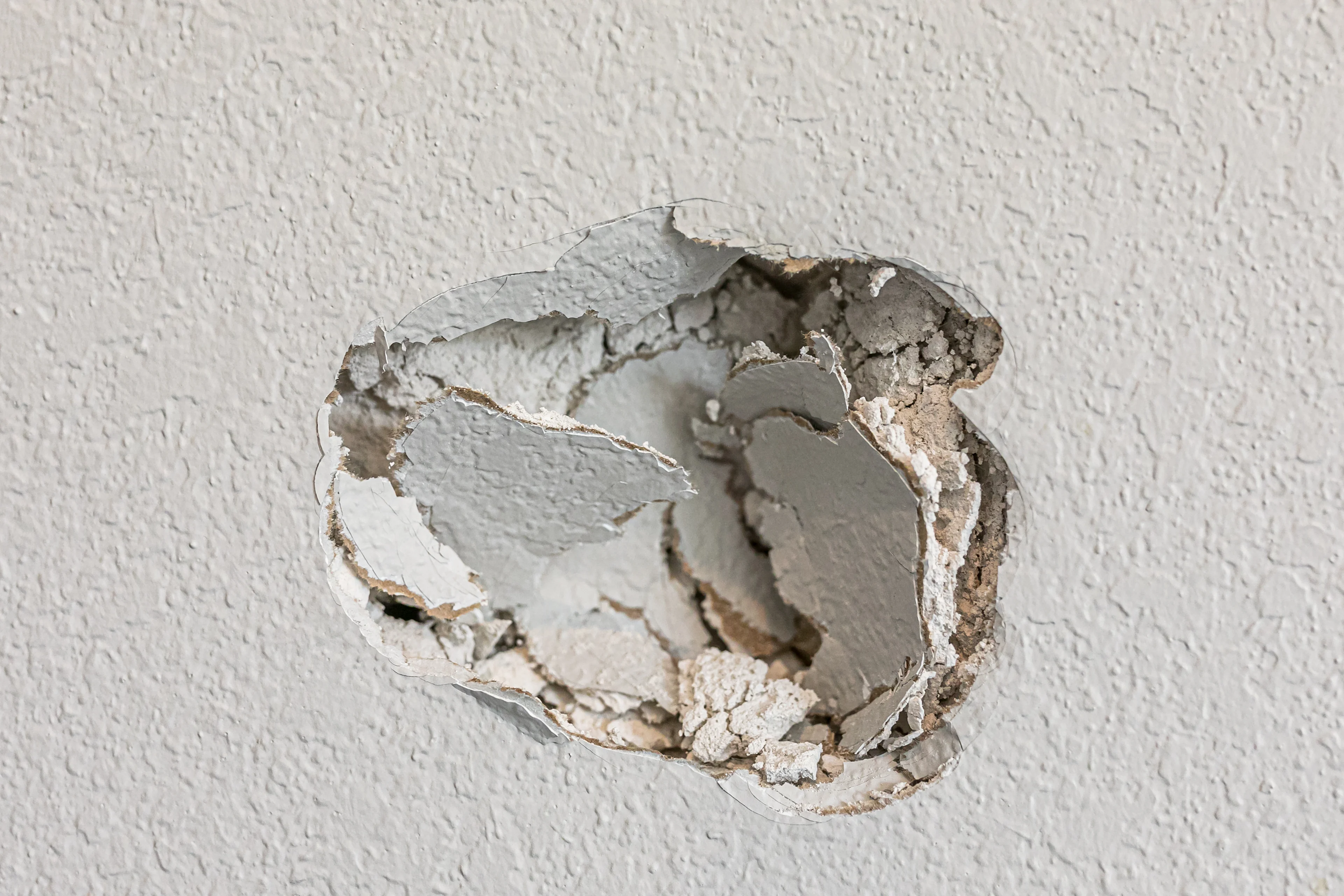
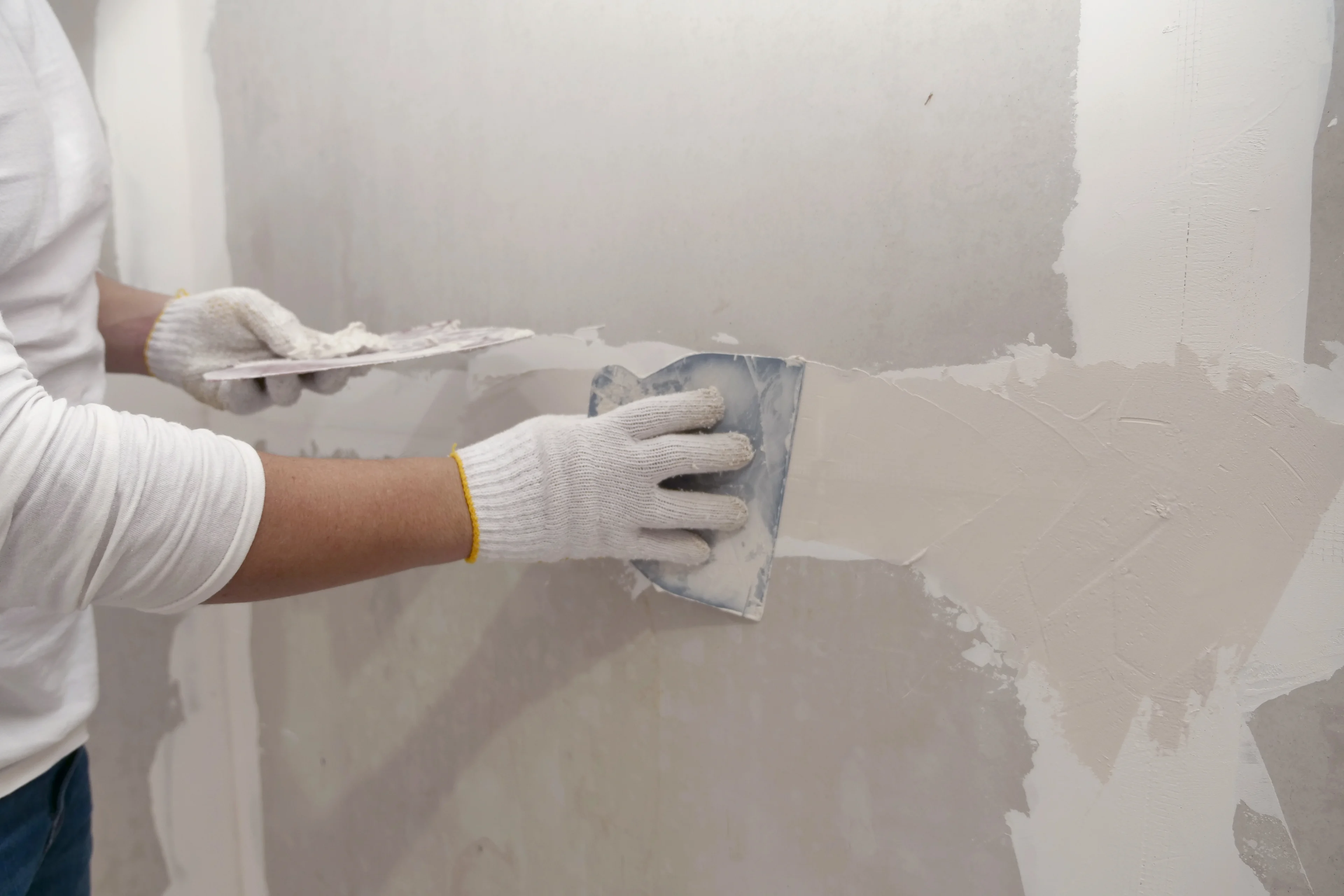
Life happens, and sometimes it leaves a mark on your walls. Whether it's a stray doorknob, a playful pet, or an unexpected plumbing leak, drywall damage is a common at-home headache. Understanding the cost to fix these imperfections can help you budget and decide your next steps. Using research and real Taskrabbit data, this guide will break down typical drywall repair costs, explore what makes prices vary, and help you determine when to tackle a repair yourself or call in a trusted professional.
At Taskrabbit, drywall repair jobs are part of the Minor Home Repairs category. These tasks cost $38 per hour on average in the U.S.
Average Cost to Repair Drywall in Major U.S. Cities
Drywall repair costs aren’t one-size-fits-all; they shift based on the specific economic landscape of your city. Local labor rates are often the primary driver of these differences, as the demand for skilled professionals varies by region. Additionally, the local cost of living and the availability of materials in your specific area can cause the final estimate to fluctuate significantly from one major city to the next.
| City | Avg Hourly Rate | Avg Invoice Total |
|---|---|---|
| New York City | $70 | $172 |
| LA & OC | $51 | $134 |
| SF Bay Area | $64 | $185 |
| Chicago | $60 | $184 |
| Washington DC | $58 | $210 |
| Seattle | $54 | $144 |
| Miami | $44 | $154 |
| Boston | $87 | $229 |
| Austin | $62 | $196 |
| Denver | $55 | $129 |
Average Hourly Rates for Drywall Repair by U.S. State
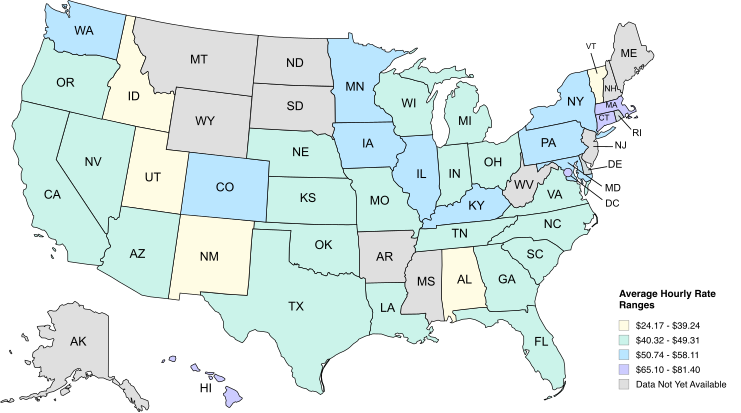
State-level pricing offers a wider view of drywall repair costs, helping you understand how rates trend across different regions. Because drywall repair falls under the Minor Home Repairs category on the Taskrabbit platform, the data shown here reflects a broader range of similar services. The map above is a helpful reference for comparing costs between states, estimating pricing outside major cities, or planning ahead for projects in a new area.
Factors That Impact Drywall Repair Costs
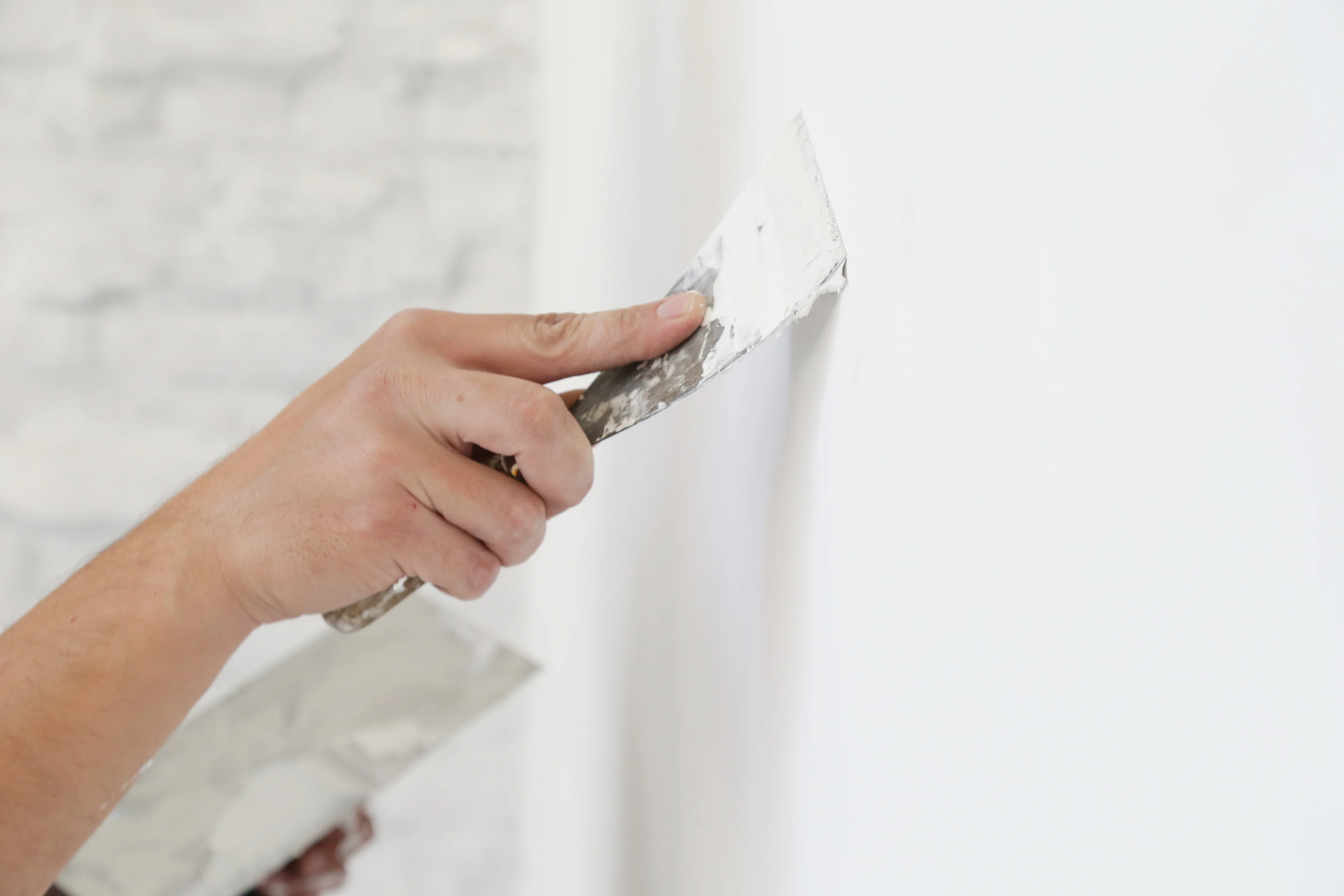
Understanding what drives drywall repair costs can help you anticipate expenses and budget accordingly. Several key elements influence the final price, from the size of the hole to the type of finish required.
Damage Size
The size of a hole determines whether a professional can simply patch the surface or if they must install structural backing to ensure the repair doesn't sag or crack over time. While small imperfections are quick fixes, larger breaches may require a multi-day approach to allow for proper drying and structural integrity.
Small or nail holes: These are often the least expensive to fix. A few nail or screw holes, typically from hanging pictures or shelves, usually require spackle or joint compound, light sanding, and a quick paint touch-up.
Medium holes: Holes ranging from 6–12 inches across will likely need a patch kit, joint compound, sanding, and matching paint. This takes more time and material than simple nail holes.
Large holes or sections: Damage larger than 12 inches, or a section of drywall that needs replacement, is a more involved job. This may require cutting out the damaged area, installing a new piece of drywall, taping seams, applying multiple coats of compound, extensive sanding, and priming before painting.
Multiple damaged areas: If you have several small or medium holes scattered across different walls, a professional might charge per area or a minimum fee that covers travel and set-up time. Bundling these repairs into one visit can often be more cost-effective.
Type of Damage
Not all damage is created equal when it comes to repair complexity.
Cracks: Hairline cracks from settling are typically a straightforward fix with joint compound. Larger, more structural cracks might indicate a bigger issue that needs professional assessment before cosmetic repair.
Dents or minor surface damage: Small dents, scuffs, or scrapes on the surface of the drywall are usually easy to smooth out with a thin layer of joint compound, followed by sanding and painting.
Water damage: This is often one of the most complex and costly types of damage. First, the source of the water must be identified and fixed. Then, any compromised drywall needs to be removed to prevent mold growth. Repair involves cutting out and replacing sections, followed by moisture mitigation, taping, compounding, and finishing.
Corner damage: Corners, both inside and outside, are susceptible to bumps and scrapes. Repairing corner damage can be trickier because it often involves repairing or replacing the corner bead (a metal or vinyl strip that protects the corner), then applying joint compound carefully to maintain a sharp, straight edge.
Ceiling damage: Fixing drywall on a ceiling is physically more demanding and often takes longer than wall repairs. Gravity works against the repairer, and specialized tools or scaffolding may be needed, increasing labor time and cost.
Location of the Damage
Where the damage is located dictates the equipment needed and the physical difficulty of the task, both of which directly impact total labor hours. Professionals must account for the ergonomics of the repair, as working at height or in confined spaces requires more frequent breaks and specialized safety measures.
Ceilings: As mentioned, ceiling repairs are tougher due to working overhead, requiring ladders or scaffolding, and careful attention to drips and leveling.
High walls: Damage high up on a wall, especially in stairwells or vaulted rooms, requires extended ladders or scaffolding, which increases the time and effort involved.
Behind fixtures or cabinets: Repairs needed behind plumbing fixtures, electrical outlets, or permanent cabinetry can be difficult. The professional may need to work in cramped spaces or carefully remove and reinstall fixtures, adding to the labor.
Bathrooms or kitchens: These areas often have higher humidity, meaning repairs might need moisture-resistant drywall or specialized primers. Also, working around existing tiling or cabinets can add complexity.
Narrow hallways or tight spaces: Working in confined areas makes maneuvering tools and materials challenging, potentially extending the repair timeline.
Labor and Minimum Fees
A significant portion of drywall repair costs comes from labor. Professionals often charge an hourly rate or a flat rate per project. Many also have a minimum service fee, especially for smaller jobs, to cover travel time and the overhead of bringing their tools to your home. This means a very small repair might still incur a noticeable fee.
Materials
The materials needed for drywall repair are generally inexpensive, but their cost adds up depending on the scope of the project.
Drywall sheets (if replacing a large section): Starting at $8 per sheet
Joint compound (also called "mud"): Starting at $5 per bucket
Drywall tape (paper or fiberglass mesh): Starting at $5 per roll
Spackle (for small holes): Starting at $4 per tub
Sandpaper or sanding sponge: Starting at $5 per pack
Drywall screws: Starting at $5 per box
Primer: Starting at $15 per gallon
Paint: Starting at $15 per gallon
Optional: Corner bead, patch kits, texture spray.
Wall Finishing
The finishing stage is the most detail-oriented part of the process, as it requires a professional to replicate the specific "signature" of your existing walls. Achieving a seamless transition between the new patch and the original surface involves a precise sequence of layering, drying, and sanding that accounts for how light and shadow interact with the wall’s texture.
Smoothing/blending: After applying joint compound, multiple layers are often needed, with sanding in between, to achieve a perfectly smooth surface that blends seamlessly with the surrounding wall.
Texture matching: Many homes have textured walls (like orange peel, knockdown, or popcorn ceilings). Matching this texture requires skill, specific tools, and additional time to ensure the repaired area doesn't stand out.
Painting: Once the drywall is smooth and primed, it needs to be painted to match the rest of the wall or ceiling. This can be a quick touch-up for small areas or require painting the entire wall or even room to ensure a consistent finish.
Cleanup
A thorough cleanup is part of a complete repair job. This can include vacuuming up drywall dust, removing scraps, and properly disposing of damaged materials. Larger repairs, especially those involving water damage or significant demolition, may involve hauling away debris, which can be an additional cost factor.
How Long Does Drywall Repair Take?
While the actual active work time for a drywall repair is often quite short, the total duration of the project is dictated by the physics of the materials. Professional-grade joint compound needs time to fully dry and harden through a process called curing before it can be sanded or painted. Rushing this sequence can lead to cracks or visible seams later on.
Small holes and dings: For minor repairs like nail pops or small dents, the active work usually takes 30–60 minutes. Because the patch needs to dry completely before sanding and painting, you should plan for a total window of 24 hours.
Medium to large holes: These repairs typically require a multi-day approach. A professional will often apply a first coat of mud on day one, allow it to dry overnight, and return on day two for a finish coat and sanding. Total project time usually spans two to three days.
Water damage: This is the most variable timeline because the priority is ensuring the wall’s interior is completely moisture-free. Depending on the extent of the leak, professionals may need to use industrial fans for 24–48 hours before the actual drywall installation can begin.
Texture matching and painting: If your walls have a specific texture like orange peel or knockdown, adding this layer requires an additional drying cycle. If you are also having the professional prime and paint the repair, expect to add one final day to the schedule to ensure the paint adheres properly to the fresh patch.
Drywall Repair Costs by Type of Damage
While many factors influence the final price, here's a general idea of what to expect for common types of drywall damage. These estimates include labor, materials, and finishing.
| Repair Type | Estimated Cost |
|---|---|
| Dents | $10–$60 |
| Cracks | $100–$350 |
| Nail holes | $50–$75 |
| Small holes | $100–$200 |
| Water damage | $500–$2,000 |
| Ceiling repair | $300–$1,000 |
| Large holes (12+ inches) | $200–$400 |
| Medium holes (6–12 inches) | $150–$300 |
DIY vs. Hiring Help for Drywall Repair
Deciding whether to tackle a drywall repair yourself or hire a professional depends on your comfort level, the extent of the damage, and your available time. Both options have their merits, and the best choice is often a practical one based on your unique situation.
When to DIY Drywall Repair
Many homeowners can successfully handle smaller drywall issues with a little patience and the right tools.
Nail holes and screw holes: These are the simplest fixes, common from hanging pictures or shelves. They usually require just spackle, a putty knife, light sanding, and a touch of paint.
Small dents or minor surface damage: If your wall has a minor ding or scrape that hasn't broken through the paper layer, it can often be smoothed with a small amount of joint compound.
Small holes (under a few inches): Holes under three or four inches are often manageable. Patch kits are widely available at hardware stores and make the process relatively straightforward. Repairs usually involve applying a patch, covering it with joint compound, sanding, and repainting.
Hairline cracks: Often caused by normal house settling, these thin cracks can typically be fixed by applying a thin layer of joint compound, sanding it smooth, and painting over it.
When to Hire Help for Drywall Repair
For more extensive damage or when you're short on time, professional help can be invaluable.
Large holes: Anything larger than six to twelve inches can be intimidating for a DIYer. These repairs may require cutting out a section of drywall, installing new framing or backing, and precisely fitting a new piece of drywall. Professionals have the tools and experience for a seamless repair.
Water-damaged drywall: This often goes beyond a simple patch. It requires carefully removing all damaged material, ensuring the area is completely dry, and often addressing the moisture source first. Untreated water damage can lead to mold and structural issues.
Ceiling repairs: Working overhead is physically demanding and can be dangerous on a ladder. Achieving a smooth, level finish on a ceiling takes practice and specialized equipment.
Multiple damaged areas: If you have several significant repairs spread throughout your home, hiring someone can save you considerable time and effort. Professionals can complete repairs faster and more efficiently.
Texture matching: If your walls have a specific texture like orange peel or knockdown, matching it perfectly to blend with the existing surface requires experience and special techniques. A mismatched texture can make a repair stand out.
Time-sensitive repairs: If you need repairs done quickly, perhaps for preparing a home for sale, before an inspection, or for a move-out, hiring a professional can ensure the job is completed promptly and to a high standard.
When to Repair vs. Replace Drywall
Sometimes, the damage is so extensive that repairing a small section just isn't the most practical or cost-effective solution. Knowing when to patch and when to replace can save you headaches down the line.
Consider repairing drywall when:
The damage is under one to two square feet, such as small/medium holes, dents, or minor cracks.
The issues are primarily cosmetic, not structural.
The drywall is still structurally sound and free of mold or extensive water saturation.
Consider replacing drywall when:
There is large, structural damage that compromises the integrity of a significant section of the wall or ceiling.
You find widespread mold or extensive, irreparable water damage that has saturated large areas of the drywall.
The repair cost approaches the cost of replacing the entire section or panel. Industry guidance suggests replacement is often better when repair costs exceed forty to fifty percent of the replacement cost, ensuring a longer-lasting and higher-quality result.
How to Save on Drywall Repair Costs
Even if you decide to hire help, there are smart ways to keep your drywall repair costs in check. A little planning can go a long way.
Fix small damage early: Addressing small holes or cracks before they worsen can prevent them from becoming larger, more expensive problems.
Bundle multiple repairs: If you have several small issues around your home, gathering them into one job for a professional can be more cost-effective than calling them out for individual repairs.
Handle prep work yourself: Clearing furniture, covering floors, and removing wall hangings before a professional arrives can save them time, which might translate to lower labor costs.
DIY simple patches: For very small nail holes or minor dents, using spackle and painting yourself can eliminate the need for professional help entirely.
Compare quotes: Get estimates from a few different professionals to ensure you're getting a fair price for the scope of work needed.
Consider doing your own painting: While a professional can prime and paint, you can often save money by taking on the final painting step yourself once the drywall repair is complete.
Fix the cause of damage first: Especially for water damage, ensure the source of the problem is completely resolved before investing in drywall repair. Fixing the symptom without addressing the cause means the damage will likely return.
Frequently Asked Questions about Drywall Repair
Tipping for drywall repair is not typically expected, especially if the service provider is the business owner. However, if you are very satisfied with the work, a tip of 10–15%, or a flat amount of $20 to $50, is a thoughtful gesture for exceptional service.
You'll know your drywall needs repairing if you see visible holes, cracks, dents, water stains, soft spots (indicating moisture damage), or crumbling areas. Any change in the wall's texture or integrity is a sign it may need attention.
Common causes of drywall damage include accidental impacts (like furniture bumps or doorknobs), moisture from leaks or high humidity, house settling (leading to cracks), pest activity, and general wear and tear over time.
If you don't properly repair damaged drywall, small issues can worsen over time, leading to larger, more expensive fixes. Unaddressed water damage can cause mold growth and compromise indoor air quality, while structural cracks might indicate deeper issues with your home's foundation or framing.