How Much Does Door Repair Cost?
Starting at an average of $38/hour
Updated on October 1, 2026
Table of Contents
Get the Cost for Door Repair Services Near You
Browse different rates for door repair in your area and select the one that fits your budget and needs.
Get Door Repair RatesDoor Repair Cost Estimates Supplemented with Real Taskrabbit Data
A squeaky hinge, a sticky frame, or a dented panel can turn a simple doorway into a daily frustration. When your door isn't working right, you want it fixed, and you probably want to know what it will cost. Using research and real Taskrabbit data, this guide aims to give you a clear picture of door repair costs.
At Taskrabbit, door repair tasks are categorized as Minor Home Repairs, and on average, these jobs cost $38 per hour in the U.S. You can expect door repair-specific jobs to align with these figures.
Average Cost for Door Repair Services in Major U.S. Cities
Door repair costs can vary quite a bit depending on where you live. Labor rates and local demand play a big role in how much you'll pay. Cities with a higher cost of living generally have higher service prices. The table below highlights typical hourly rates and project costs in major U.S. cities.
| City | Avg Hourly Rate | Avg Invoice Total |
|---|---|---|
| New York City | $70 | $172 |
| LA & OC | $51 | $134 |
| SF Bay Area | $64 | $185 |
| Chicago | $60 | $184 |
| Washington DC | $58 | $210 |
| Seattle | $54 | $144 |
| Miami | $44 | $154 |
| Boston | $87 | $229 |
| Austin | $62 | $196 |
| Denver | $55 | $129 |
Average Hourly Rates for Door Repair by U.S. State
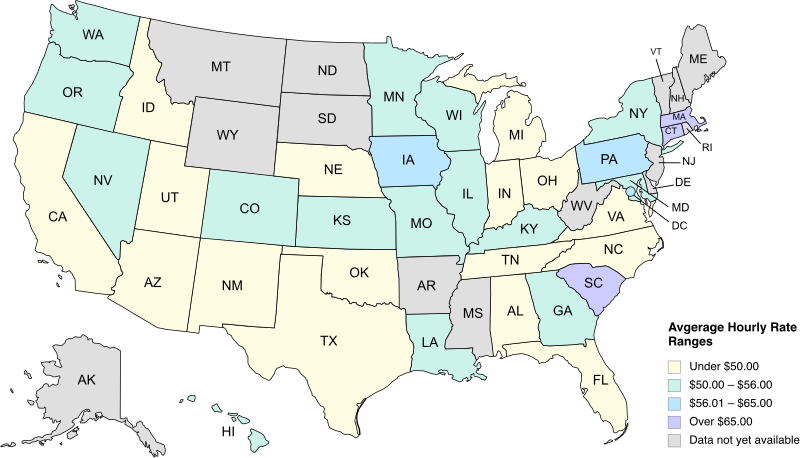
Hourly rates for door repair can also vary by state, offering a broader view of pricing across different regions. While city-level data highlights localized demand, state averages make it easier to compare costs across larger areas and spot regional trends. The map above provides typical hourly rates by state to help you estimate pricing, especially if you’re outside a major metro area or planning a project in a different part of the country.
Factors that Impact How Much Door Repair Projects Cost
Many things can influence the final price tag of your door repair. Understanding these factors can help you estimate your costs more accurately.
Type of Door
Interior doors are generally less expensive to repair because they are lightweight, easy to access, and don’t require weatherproofing or high-security hardware. Exterior doors typically cost more due to their weight, insulation, locks, and exposure to the elements.
Repair costs can also vary based on the specific door style:
Sliding doors: Repairs often involve tracks, rollers, or alignment issues, which can increase labor time.
French doors: Require precise alignment so both panels open and close evenly.
Double doors: May involve coordinating hinges, frames, and locking mechanisms across two panels.
Patio doors: Often larger and heavier, with repairs similar to sliding or French doors, including glass and track components.
Pocket doors: Slide into the wall, making repairs more complex due to hidden tracks and limited access.
Barn doors: Mounted on exposed tracks; common issues include roller wear, hardware loosening, or wall support problems.
Bi-fold doors: Common for closets or patios; repairs often involve tracks, pivots, and alignment.
Storm doors: Repairs may include closers, screens, glass panels, or frame adjustments.
Screen doors: Typically involve mesh replacement, rollers, latches, or frame repairs.
Garage doors: Among the most expensive to repair due to springs, cables, motors, and built-in safety systems.
Door Material
The material of the door affects repair costs because each material requires different tools, techniques, and levels of labor. Heavier, more delicate, or specialty materials often take longer to repair and may require custom parts.
Wood: May require sanding, filling, sealing, or refinishing to address cracks, rot, or warping. Repairs for wood doors typically cost between $100 and $500.
Glass: Often involves replacing panels or tempered safety glass, which can increase both material and labor costs. The cost to repair a glass door ranges from $50 to $600, but can exceed $1,000 depending on the extent of repairs needed.
Steel: Repairs may include dent removal, rust treatment, or insulation fixes that require specialized tools. The cost to repair a steel door typically ranges from $150-$300.
Iron: Heavy and durable, but more expensive to repair due to weight, rust mitigation, or welding needs. Repairing an iron door may cost you $200-$500+.
Fiberglass: Repairs can involve patching, refinishing, or color matching to restore appearance. Repairs for a fiberglass door typically cost between $150 and $500.
Aluminum: Common in sliding and patio doors; repairs may include frame adjustments, track repairs, or roller replacement. The cost to repair an aluminum door ranges from $100 to $500.
Type of Damage and Complexity
The specific problem needing a fix will largely determine the complexity and cost of the repair. The more extensive the damage, the more time, effort, and potentially materials will be required, leading to a higher overall cost.
Minor adjustments: Squeaky hinges, loose screws, or a door that sticks slightly can often be quick and inexpensive fixes.
Hardware replacement: New knobs, handles, or basic lock mechanisms are moderately priced.
Frame repair: Dents, cracks, or rot in the door frame can be more involved, potentially requiring carpentry skills.
Glass replacement: If a glass pane is broken, costs depend on the type of glass (single pane, double pane, tempered) and the size.
Rot or water damage: Extensive rot requires removing and replacing damaged sections, which can be a significant undertaking.
Tools, Materials, and Equipment Needed
The tools, materials, and equipment required for a repair play a direct role in overall cost. Simple repairs that use standard tools and readily available materials are typically more affordable, while jobs that require specialty tools, custom parts, or heavy equipment tend to cost more. Repairs involving structural work, glass replacement, metal welding, or advanced hardware often increase both labor time and material expenses.
Urgency
Emergency repairs, like a broken lock on an exterior door, might incur higher costs due to the need for immediate service outside of standard business hours.
Location
As previously mentioned, where you live can have a noticeable impact on door repair costs. Labor rates tend to be higher in large cities and high–cost-of-living areas, while smaller towns or rural areas often have lower average prices.
Location can also affect material availability, travel time for the professional (which could result in a travel fee), and local building code requirements, all of which may influence the final cost.
Accessibility
Repairing an interior door in an easily accessible hallway is typically straightforward. However, a door located in a tight space, a high-traffic area, or one requiring access to unusual angles might take more time and specialized tools, affecting the overall cost.
Experience Level
The experience level of the professional handling the repair can also affect pricing. More experienced door repair specialists may charge higher rates, but they often work more efficiently and are better equipped to handle complex issues correctly the first time. In many cases, paying for experience can help prevent repeat repairs or additional damage, saving money over time.
Hidden or Unexpected Door Repair Costs to Consider
Sometimes, the price tag isn't just about the main repair. A few less obvious costs can pop up when you're getting your door fixed. Being aware of these helps you avoid surprises.
Minimum service fees: Many professionals have a minimum charge for coming out, even for a very quick fix.
Material markups: If the professional supplies the materials, they may charge a markup above the retail price.
Disposal fees: For larger repairs, disposing of old door parts or materials might incur an extra charge.
Unexpected discoveries: What seems like a simple loose hinge could uncover extensive rot in the door frame or wall, leading to more complex and costly repairs.
Specialty hardware: If your door requires non-standard parts, these might be more expensive and harder to source, potentially adding to the timeline and cost.
Common Door Repairs and Their Average Cost
The table below outlines common door repair tasks and their average costs, giving you a general idea of what to expect. Actual prices may vary based on the factors mentioned previously, including type of door, materials involved, and the complexity of the repair.
| Project Type | Estimated Cost |
|---|---|
| Door removal | $40-$200 |
| Glass repair | $200-$1,000 |
| Door frame repair | $200-$550 |
| Door installation | $200-$800 |
| Garage door repair | $80-$350 |
| Screen door repair | $$50-$200 |
| Squeaky door fixes | $10-$150 |
| Sliding door repair | $150-$450 |
| Hardware replacement | $50-$400 |
| Sticking door repair | $20-$200 |
| Dent or scratch repair | $15-$150 |
When to Repair vs. Replace a Door
Deciding whether to repair or replace a door depends on the extent of the damage, the door’s age, and how well it functions. In many cases, repairs can restore performance at a much lower cost than full replacement, but severe or structural issues may require a new door.
When to Repair a Door
Repairing a door is usually the best option when the issue is minor or localized. Common repairable problems include:
Loose or squeaky hinges
Small cracks, dents, or chips in the door surface
Misalignment that causes sticking or uneven gaps
Damaged hardware, such as handles, locks, or closers
Drafts caused by worn weatherstripping or seals
These issues can often be fixed quickly, extending the life of the door without the expense of buying a new one.
When Replacing a Door May Be Better
Replacing a door may be the smarter choice if the damage affects its structure, safety, or energy efficiency. You may want to consider replacement if:
The door is severely warped, cracked, or rotting
There is extensive water or termite damage
The door no longer fits properly within the frame
Repairs would cost nearly as much as a new door
You want improved insulation, security, or curb appeal
Older doors, especially exterior ones, may also lack modern energy-efficient features, making replacement a worthwhile investment over time.
Tips to Save Money on Door Repair Services
No one wants to overpay for repairs. With a little planning and smart decision-making, you can often trim down the cost of getting your door back in top shape. Here are some ways to save money on door repair services:
Address issues early: Small problems tend to become big, expensive problems if left unaddressed. A squeaky hinge is cheaper to fix than a completely seized or damaged one.
Get multiple quotes: Don't just go with the first quote you receive. Comparing bids from two or three different professionals can help you find a fair price for the work.
Provide materials yourself: If you know exactly what parts are needed (like a new doorknob), buying them yourself can sometimes save you the professional's material markup. Just confirm this is acceptable with the professional beforehand.
Combine tasks: If you have multiple small repairs around the house, bundling them into one service visit can sometimes be more cost-effective than calling a professional for each individual task.
Consider DIY for simple issues: For very minor problems like tightening screws or lubricating hinges, a bit of DIY might save you a service call fee. Always know your limits, though.
Be clear about the problem: Provide detailed information, and even photos, when requesting a quote. This helps the professional give you a more accurate estimate and avoids surprises.
Clear the work area: Ensure the space around the door is free of obstacles before the pro arrives. This allows them to start working immediately, making the most of your booked time.
Be flexible with scheduling: If your repair isn't urgent, being flexible with your scheduling might allow you to book a repair during off-peak times or when the pro has existing jobs in your area, potentially costs.
DIY vs. Hiring a Pro for Door Repair
Deciding whether to DIY a door repair or hire a professional comes down to a few key factors: your skill level, the complexity of the damage, and safety.
When to DIY
For minor issues and maintenance like a squeaky hinge, a loose screw, or cleaning tracks, a DIY approach can work. If you have basic tools, a bit of patience, and access to online tutorials, you might be able to tackle these smaller jobs yourself. It’s a good way to save money and gain a sense of accomplishment.
When to Hire a Pro
You should highly consider hiring a pro for any job that involves:
Complex mechanical issues: Problems with sliding door mechanisms, garage door openers, or intricate locking systems.
Extensive damage: Significant rot, large holes, warped doors, or extensive frame damage often require carpentry skills and specialized tools.
Security concerns: If a damaged door or lock compromises the security of your home, a professional can ensure it's properly secured.
Structural problems: Issues affecting the door frame that might indicate problems with the wall structure.
Glass replacement: Especially for exterior doors or large panes, this can be tricky, dangerous, and requires precise measurements.
Time-sensitive repairs: If you need the repair done quickly and correctly, a professional can often get it done faster.
If you're unsure about any aspect of the repair, it's always safer and often more cost-effective in the long run to consult a professional. Attempting a complex repair yourself can lead to further damage, making the eventual professional fix even pricier.
How to Choose a Pro for Door Repair
Once you've decided to hire help, finding the right professional is key. Look for someone reliable, skilled, and fairly priced.
Here's how you can choose a trusted professional:
Check reviews and ratings: Look for professionals with strong positive feedback from previous customers, specifically mentioning door repairs or general handyman services.
Compare quotes: Get detailed quotes from several professionals. This helps you understand the market rate and ensures transparency in pricing.
Ask about experience: Inquire about their experience with the specific type of door and repair you need.
Discuss their process: Understand how they plan to approach the repair, what materials they recommend, and how long they expect the job to take.
Look for clear communication: A good professional will be responsive, clear, and easy to communicate with from the start.
Door Repair Frequently Asked Questions
While tipping is not required, it is appreciated. It is typical to tip 10%-20%.
The time it takes to repair a door varies greatly depending on the issue. Simple fixes like lubricating a hinge or tightening screws might take less than an hour. More complex repairs, such as patching large holes, repairing a door frame, or adjusting a severely misaligned door, could take two to four hours, or even longer for extensive damage.
Generally, minor repairs are cheaper than a full replacement. However, if the door has extensive damage, severe rot, or structural issues, replacing it might be the more cost-effective long-term solution. It's best to get an estimate for both options if the damage is significant.