How Much Does Ceiling Fan Installation Cost?
Starting at an average of $44/hour
Updated on October 1, 2026
Table of Contents
- Get the Cost for Ceiling Fan Installation Services Near You
- Ceiling Fan Installation Cost Estimates Supplemented with Real Taskrabbit Data
- Factors That Impact Ceiling Fan Installation Cost
- When to Repair vs. Replace a Ceiling Fan
- Costs for Common Ceiling Fan Installation Scenarios
- Ceiling Fan Installation Frequently Asked Questions
Get the Cost for Ceiling Fan Installation Services Near You
Browse different rates for ceiling fan installation in your area and select the one that fits your budget and needs.
Get Ceiling Fan Installation RatesCeiling Fan Installation Cost Estimates Supplemented with Real Taskrabbit Data
A new ceiling fan can transform a room, offering both comfort and style. But before you pick out your perfect fan, understanding the ceiling fan installation cost is key to smart budgeting. Whether you’re replacing an old fixture or adding one to a brand-new spot, knowing what goes into the price tag helps you make informed decisions.
Using research and real Taskrabbit data, this guide will walk you through what to expect when you're considering a ceiling fan upgrade, making sure you have all the facts before you start. When booking through Taskrabbit, ceiling fan installation is part of the Electrical Help category, which costs $44 per hour on average. You can expect specific ceiling fan installation rates to align with these figures.
Average Cost of Ceiling Fan Installation Services in Major U.S. Cities
The price of professional help can vary significantly depending on where you live. Larger metropolitan areas often have higher labor costs due to increased demand and cost of living.
The table below shows average hourly rates for electrical help, the category ceiling fan installation falls under on the Taskrabbit platform.
| City | Avg Hourly Rate | Avg Invoice Total |
|---|---|---|
| New York City | $74 | $166 |
| LA & OC | $60 | $137 |
| SF Bay Area | $67 | $159 |
| Chicago | $64 | $162 |
| Washington DC | $70 | $169 |
| Seattle | $68 | $157 |
| Miami | $53 | $155 |
| Boston | $81 | $192 |
| Austin | $61 | $164 |
| Denver | $62 | $141 |
Average Hourly Rates for Ceiling Fan Installation by U.S. State
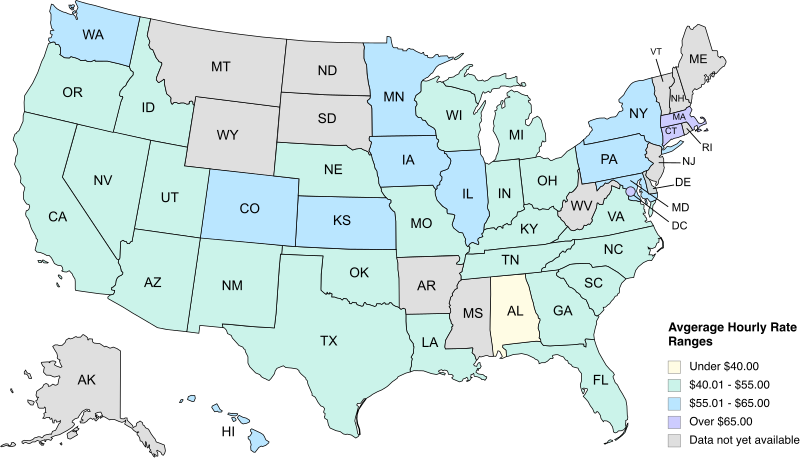
State-level pricing helps you understand how ceiling fan installation costs vary across different regions, especially when planning projects that may involve more than a simple swap. Because ceiling fan installation is categorized under Electrical Help on the Taskrabbit platform, the rates shown here reflect a broader range of electrical tasks that can include wiring updates or mounting support. This makes state averages particularly useful for setting expectations on more involved installations, comparing regional pricing differences, and budgeting for projects outside major metro areas.
Factors That Impact Ceiling Fan Installation Cost
Many elements can influence the total cost to install a ceiling fan. What might seem like a simple swap can sometimes involve more complex work, affecting both labor time and material needs. Getting familiar with these factors can help you understand your quote better and prevent surprises.
Ceiling Fan Type
The style and design of your ceiling fan play a role in installation complexity.
Standard fans: These are the most common type, typically featuring four or five blades and a built-in light kit. They hang from a downrod, making them ideal for rooms with standard ceiling heights of eight feet or more. Standard fans typically cost between $50 and $300 to purchase.
Low-profile fans (hugger fans): These fans are installed directly against the ceiling bracket without a downrod. They usually have shorter blades and a compact profile, making them a safe and stylish choice for rooms with low ceilings (under eight feet). To purchase a low-profile fan, expect to spend between $75 and $400.
Hanging propeller fans: These fans feature a sleek, minimalist design with fewer blades (often two or three) that resemble an airplane propeller. Because they are often larger and made of heavier materials like solid wood or metal, they typically require a heavy-duty mounting system. Purchasing a hanging propeller fan can cost you anywhere from $150-$600.
Directional or rotational fans: These unique fans feature one or two smaller fan heads attached to a motor housing that can be tilted or rotated to direct airflow to specific areas. Because of their complex moving parts and specialized mounting, they are often used as statement pieces in larger or uniquely shaped rooms. These fans cost between $150 and $600.
Ceiling Fan Size
Choosing the correct fan size for your room is crucial for efficiency and safety. An improperly sized fan might not circulate air effectively or, if too large and heavy, could pose installation challenges. Incorrect sizing can also lead to issues like wobbling, noise, or needing reinstallation, adding to your overall cost. Always check the fan's weight and dimensions against your ceiling’s capabilities.
Finding the perfect balance between performance and value is key; use the breakdown below to compare standard fan sizes with the average costs you can expect to see:
29-36 inches in diameter: $50-$150 purchase price
42-44 inches: $75-$250
50-54 inches: $100-$400
56+ inches: $200-$700+
Ceiling Fan Features
Modern ceiling fans come with a host of features that can add to their complexity and, consequently, their installation cost.
Smart fans: These often require Wi-Fi connectivity and app integration, which can take extra time to set up and troubleshoot.
Remote control enabled: While convenient, the receiver for remote operation needs careful wiring.
Lighting: Fans that include a light kit require an additional wire for the light function, potentially complicating the electrical hookup.
Connected to wall switches: If you want separate wall switches for the fan and light, this requires more advanced wiring than a single switch.
Ceiling Height and Accessibility
Ceilings that are very high, vaulted, or sloped can make installation more challenging. The person installing the fan may need specialized equipment like tall ladders or scaffolding, which can increase the time and effort required, impacting the overall labor cost. Standard eight-foot ceilings are typically the easiest and most cost-effective to work with.
Ceiling Type
The material and structure of your ceiling can also affect installation.
Flat ceilings: These are generally the simplest to work on.
Vaulted or sloped ceilings: These often require specialized mounting hardware and potentially more careful positioning to ensure the fan hangs correctly and is stable.
Drop ceilings: These present unique challenges as they aren't designed to support the weight of a ceiling fan. Installation usually requires anchoring to the building's structural elements above the drop ceiling.
New vs. Existing Wiring
This is one of the biggest cost drivers.
Replacing an existing fan: If you’re simply swapping out an old fan where wiring and a fan-rated electrical box are already present, the installation is much quicker and less expensive.
New installation: If you’re adding a fan where there was no fixture before, it requires running new electrical wiring, installing a new electrical box, and potentially cutting into drywall. This significantly increases labor time and material costs. A fan-rated electrical box is specifically designed to support the weight and torque of a ceiling fan, a critical safety component that often needs to be installed or upgraded.
Indoor vs. Outdoor
Outdoor ceiling fans require specific wiring and enclosures that are rated for damp or wet conditions, depending on whether they’ll be exposed to direct moisture. These weather-resistant components and the more specialized installation can increase the cost compared to an indoor fan.
Permits
Depending on your local regulations and the complexity of the installation (especially for new wiring runs), you might need an electrical permit. This adds to the overall cost and ensures the work meets local building codes and safety standards. Always check with your local municipality.
Location and Labor
As discussed earlier, labor rates fluctuate based on your local cost of living, with pros in major cities typically charging more than those in rural areas.
The total cost also depends on whether you hire a general handyperson for a simple swap or a licensed electrician for complex wiring.
When to Repair vs. Replace a Ceiling Fan
Deciding whether to repair an existing ceiling fan or invest in a new one can save you time and money. Sometimes a quick fix is all you need, while other times, a replacement is the smarter, safer long-term choice.
Signs that your fan can be repaired:
The fan is under ten years old
The issue is cosmetic (like a cracked blade) or a simple mechanical problem (such as wobbling due to loose screws, a faulty pull chain switch, or a burned-out light kit)
The motor runs smoothly and quietly, without humming or overheating
The cost of repair is clearly lower than the cost of a new fan plus installation
The existing wiring and fan-rated electrical box are in good, safe condition
Signs you should replace your fan:
The fan is ten to fifteen or more years old, indicating general wear and tear
The motor hums, overheats, or struggles to operate at multiple speeds, suggesting a failing motor
You’ve had repeated repairs, or finding parts for an older model is difficult
The fan is not mounted to a fan-rated electrical box, posing a safety risk
You desire newer features like remote controls, smart home integration, or quieter operation
There are safety or code concerns that outweigh short-term repair savings
Costs for Common Ceiling Fan Installation Scenarios
To help you build a more accurate project budget, the table below outlines estimated average costs for the most frequent installation scenarios, ranging from standard indoor replacements to more complex smart fan and outdoor setups.
| Installation Scenario | Estimated Cost |
|---|---|
| New installation | $250-$1,000 |
| Outdoor installation | $250-$500 |
| Vaulted ceiling installation | $300-$600 |
| Replacement with existing wiring | $100-$300 |
| Smart fan installation and setup | $150-$600 |
| Commercial or industrial fan installation | $500-$1,000+ |
Ceiling Fan Long-Term Cost Savings and Energy Efficiency
While there's an upfront cost to install a ceiling fan, it's an investment that can offer long-term savings on your energy bills. Ceiling fans work by circulating air, making a room feel cooler in summer and warmer in winter, which can reduce your reliance on your home's main heating and cooling systems.
Consider these efficiency-related benefits:
Reduced HVAC usage: By creating a wind-chill effect, fans allow you to set your thermostat a few degrees higher in summer while still feeling comfortable. In winter, running the fan in reverse (clockwise) at a low speed pushes warm air down from the ceiling, potentially lowering heating costs.
Improved energy efficiency: Newer ceiling fan models, especially those with DC motors, are significantly more energy-efficient than older fans. They use less power to move more air.
Variable speed motors: These allow for precise control over airflow, ensuring you use only as much energy as needed.
Reversible direction: This feature makes your fan useful year-round, optimizing comfort and energy use in both hot and cold seasons.
Proper installation matters: Ensuring the correct mounting height, using a stable, fan-rated electrical box, and selecting the appropriate fan size for the room all contribute to optimal performance and efficiency.
Replacing an outdated or inefficient fan with a modern, properly installed model can lead to lower ongoing energy use, reduced reliance on energy-intensive HVAC systems, and quieter, more consistent airflow.
DIY vs. Professional Ceiling Fan Installation
Deciding whether to tackle the job yourself or hire a professional is a common dilemma. While DIY can save on labor costs, professional installation often offers peace of mind regarding safety, code compliance, and a job done right.
DIY installation may be reasonable when:
You are replacing an existing ceiling fan with a similar model in the exact same location
Existing wiring and a fan-rated electrical box are already securely in place
The ceiling height is standard and easily accessible with a stepladder
You have prior experience with basic electrical work and understand safety precautions
Your primary goal is minimizing upfront labor costs
Professional installation is often recommended when:
New wiring is required, or you're adding a fan where no fixture previously existed
The existing electrical box is not fan-rated and needs to be replaced or reinforced
Your ceiling is high, vaulted, sloped, or otherwise difficult to access
You are installing heavy, outdoor, or complex smart ceiling fans
Local permits or inspections may apply to the electrical work
Safety, code compliance, and long-term reliability are your top priorities
When it comes to the cost of installing a ceiling fan, DIY means lower labor costs but a higher risk of mistakes, potential damage, or safety hazards. Hiring a professional typically means a higher upfront cost but often results in faster installation, reduced risk, and the assurance that the work meets safety standards.
Tips to Save on Ceiling Fan Installation Cost
Installing a new ceiling fan doesn't have to break the bank. Here are some smart ways to potentially reduce the cost of ceiling fan installation without compromising on safety or quality:
Use existing wiring and switches whenever possible: Running new electrical lines is a major cost driver. If you can use an existing fixture's wiring, you'll save significantly.
Install multiple ceiling fans in one visit: If you have more than one fan to install, scheduling them all at once can be more cost-effective. It is common for handymen and electricians to charge a minimum fee, so consolidating work can reduce the per-fan labor cost.
Choose simpler fan models: Fans without complex electrical features like smart controls, integrated lights, or remote kits are generally easier and quicker to install.
Schedule installation during non-peak seasons or mid-week: Depending on your area, availability might be better during off-peak times, potentially offering more competitive rates.
Prepare the space in advance: Clear furniture and obstacles from the work area. If allowed and you feel comfortable, removing the old fixture yourself can save the installer a few minutes of labor.
Confirm what’s included in the installation quote: Make sure you understand whether the quoted price includes tasks like fan assembly, wiring, mounting, and testing to avoid surprises.
While saving money is important, remember there are areas where cutting corners isn't advisable. Always prioritize safety requirements, using fan-rated electrical boxes, and ensuring the installation complies with local electrical codes.
Ceiling Fan Installation Frequently Asked Questions
Tipping for ceiling fan installation is not strictly required but is always appreciated for excellent service. If you're happy with the work, a tip of 15% to 20% of the labor cost is a common guideline, similar to other service-based jobs.
You don't always need a licensed electrician, but it is often recommended, especially for complex installations. Many skilled handymen can safely and effectively install ceiling fans, particularly when replacing an existing fixture where wiring is already in place. For new wiring, structural modifications, or if you're unsure about your electrical system, hiring a professional with specific electrical expertise is the safest choice.
Ceiling fan installation typically takes one to four hours. A straightforward replacement of an existing fan in an accessible area might take closer to one hour, while a new installation requiring new wiring or modifications to the ceiling structure could take up to four hours or more.
Several issues can increase the cost to install a ceiling fan. These include needing to run new electrical wiring, replacing an old electrical box with a fan-rated one, working on high or vaulted ceilings that require special equipment, installing complex smart fans or heavy outdoor fans, or if permits are required for the job. Unexpected issues like faulty wiring or structural problems discovered during installation can also add to the expense.