How Much Does Appliance Installation Cost?
Starting at $54/hour on average
Updated on October 1, 2026
Table of Contents
- Get the Cost for Appliance Installation in Your Area
- Appliance Installation Cost Estimates Supplemented with Real Taskrabbit Data
- Factors That Impact Appliance Installation Costs
- How Long Does Appliance Installation Take?
- Installation Costs by Appliance Type
- Frequently Asked Questions about Appliance Installation
Get the Cost for Appliance Installation in Your Area
Browse different rates for appliance installation options in your area and select the one that fits your budget and needs.
Get Appliance Installation RatesAppliance Installation Cost Estimates Supplemented with Real Taskrabbit Data
Installing a new appliance can feel like a big project, whether you're upgrading your kitchen, replacing a worn-out unit, or tackling a new build. Understanding the potential costs upfront can help you budget wisely and decide if a DIY approach or professional help is right for you. While prices can vary quite a bit, this guide breaks down the typical expenses involved, from labor rates to specific appliance types.
Based on research and real Taskrabbit data, appliance installation and repair costs generally average around $54 per hour in the U.S. This page will help you understand what impacts these costs, whether you're looking at a simple plug-in or a more involved gas line hookup.
Average Cost to Install Appliances in Major U.S. Cities
The price of appliance installation can fluctuate significantly depending on where you live. Larger metropolitan areas often have higher labor costs due to increased demand and a higher cost of living. Understanding these regional differences can help you set more accurate expectations for your project.
| City | Avg Hourly Rate | Avg Invoice Total |
|---|---|---|
| New York City | $68 | $131 |
| LA & OC | $58 | $132 |
| SF Bay Area | $79 | $160 |
| Chicago | $75 | $146 |
| Washington DC | $64 | $143 |
| Seattle | $59 | $128 |
| Miami | $55 | $151 |
| Boston | $82 | $145 |
| Austin | $61 | $128 |
| Denver | $63 | $133 |
Average Hourly Rates for Appliance Installation by U.S. State
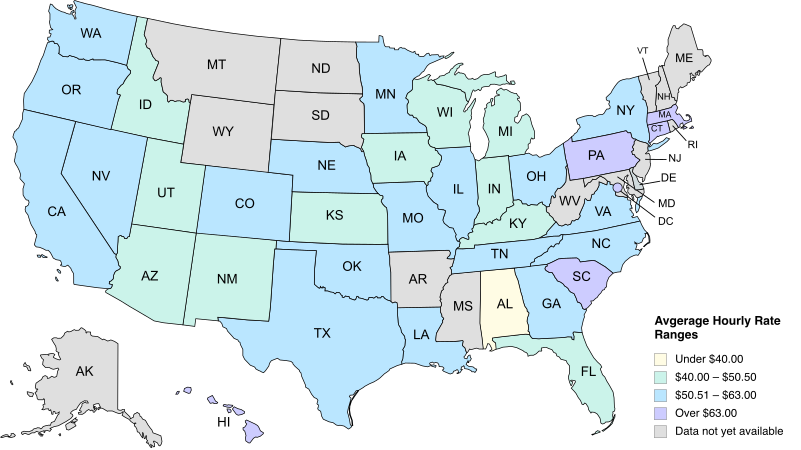
State-level pricing offers a broader view of appliance installation costs, helping you understand general labor trends across a larger region. Unlike city-specific pricing, which reflects hyper-local demand and cost of living, state averages can be useful for comparing costs when planning a move, budgeting in less densely populated areas, or estimating pricing outside major metro hubs. This section highlights typical hourly rates by state to give you a clearer sense of what you might expect across different parts of the country.
Factors That Impact Appliance Installation Costs
Many elements can influence the final cost of getting your new appliance set up. Understanding these factors will help you make sense of different quotes and plan for potential additional expenses. From the type of appliance to the unique challenges of your home, here’s what typically affects the price.
Type of Appliance
Some appliances are straightforward to install, while others require specialized hookups, making them more complex and potentially more expensive. A basic plug-in appliance is much simpler than one that needs a new gas line or plumbing.
Standard refrigerator: Basic models are typically the simplest to install as they only require a standard electrical outlet and sufficient clearance for ventilation.
Refrigerator with water line: These units require a dedicated water line hookup for the ice maker or water dispenser, which adds complexity if a shutoff valve is not already present.
Dishwasher: Installation involves managing three distinct connections: a water supply line, a drain line, and an electrical hookup. The unit must also be precisely leveled and secured to the cabinetry or countertop to ensure proper drainage and operation.
Electric range: These appliances usually require a heavy-duty 240V outlet, which may necessitate an electrical upgrade if your kitchen is only equipped with standard 120V circuits.
Gas range: This installation always requires a secure connection to a gas line and must be checked by a qualified professional to prevent leaks.
Over-the-range microwave: Unlike countertop models, these require mounting to the cabinetry and often involve complex venting ductwork and dedicated electrical wiring.
Washing machine: Installation requires connecting hot and cold water supply hoses as well as a secure drain hose connection to prevent flooding.
Electric dryer: These units require a 240V electrical outlet and the installation of a proper exhaust vent hose to safely release heat and moisture.
Gas dryer: A gas dryer requires both a professional gas line connection and a standard vent hose for exhaust.
Garbage disposal: This process involves specialized plumbing connections under the sink and requires wiring the unit to a power source or an existing air switch.
New Installation vs. Replacement
Replacing an existing appliance with a similar new one is usually less expensive than a brand-new installation. When you're simply replacing, the necessary electrical, plumbing, or gas hookups are already in place and often just need to be reconnected. A new installation, however, might involve running new lines, modifying cabinetry, or upgrading electrical circuits, which adds to the overall cost.
Electrical, Plumbing, and Gas Line Requirements
Many installations require more than just plugging in. If your new appliance needs a dedicated circuit, a 240V outlet, a new water line for a refrigerator's ice maker, or an extension of a gas line, these specialized tasks will increase the cost. Water shutoff valves might need repair or replacement, and gas connections always require careful attention to safety standards. Any work involving these critical home systems should be handled by a professional to ensure safety and proper function.
Accessibility
The ease of access to the installation site plays a role in pricing. Navigating tight hallways, narrow doorways, stairs in a multi-story home, or homes without an elevator can increase labor time and complexity. If the installer needs to remove door frames or gates to get the appliance in, that will also add to the cost. The easier it is to get the old appliance out and the new one in, the less time and effort it will take.
Removal and Disposal of Old Appliances
Most new appliance purchases don't include the removal of your old unit. If you need your old appliance hauled away, expect an additional charge. These fees can cover the cost of labor, transportation, and proper disposal or recycling, especially for larger items that require special handling or hazardous waste considerations.
Location and Labor
Hourly rates for appliance installation can vary based on whether you're in an urban or rural area. Cities generally have higher labor costs than rural communities. Some professionals may also charge a travel or trip fee, especially if the job site is far from their usual service area, to cover their time and fuel expenses.
Permits and Code Requirements
While not always necessary for a simple appliance swap, some installations, particularly those involving new gas lines, significant electrical work, or structural modifications, may require permits from your local municipality. These permits ensure the work meets local building codes and safety standards. If your home is part of an HOA or condo association, they might have their own specific requirements or approval processes, which could also add time and cost.
How Long Does Appliance Installation Take?
Setting realistic expectations for the duration of an appliance installation can help you plan your day and avoid surprises. The time it takes can vary greatly depending on the type of appliance, whether it's a direct replacement or a new setup, and if any additional work, like plumbing or electrical upgrades, is needed.
While a simple swap might only take a lunch break, complex setups can occupy several hours. Here are some estimated times for common appliance installations:
Refrigerator (no water line): Thirty minutes to one hour
Refrigerator (with water line): One to two hours
Dishwasher: One to three hours
Range: One to two hours
Washer and dryer: One to two hours
Microwave (over-the-range): One to three hours
Keep in mind that these are estimates for straightforward installations. New hookups for plumbing, gas, or electrical lines, electrical panel or outlet upgrades, necessary inspections, or unexpected complications can all significantly increase the timeline. Proper preparation beforehand, such as clearing the workspace and ensuring access, can help minimize delays.
Installation Costs by Appliance Type
Budgeting for specific appliances can help you plan your project effectively. The following estimates give a general idea of what you might expect to pay for common appliance installations, keeping in mind that actual costs can fluctuate based on the factors mentioned above.
| Appliance | Estimated Cost |
|---|---|
| Dishwasher | $150-$400 |
| Stove (gas) | $200-$1,000 |
| Garbage disposal | $100-$400 |
| Stove (electric) | $200-$500 |
| Washer and dryer (gas) | $150-$300 |
| Over-the-range microwave | $100-$350 |
| Washer and dryer (electric) | $100-$250 |
| Refrigerator (no water line) | $125-$250 |
| Refrigerator (with water line) | $250-$500 |
DIY vs. Professional Appliance Installation
Deciding whether to install an appliance yourself or hire a professional often comes down to balancing potential cost savings with the complexity and safety risks involved. While some installations are manageable for a handy homeowner, others are best left to trusted experts to ensure proper function, avoid damage, and prevent safety hazards.
When DIY Installation May Be Possible
If you’re comfortable with basic tools and understand how to follow instructions, a DIY approach might work for simpler appliance installations.
Replacing an appliance with the same type: When existing hookups are compatible and in good condition.
Existing, functional hookups: If the electrical outlet, water lines, or gas line are already in place and don't need modification.
Plug-in electric appliances: Such as a standard refrigerator without a new water line, or a countertop microwave.
Refrigerator without a new water line: Simply plug it in and slide it into place.
Washer replacing a washer with intact valves: Connecting hoses to existing hot and cold water valves and the drain.
No cabinet modifications needed: If the new appliance fits perfectly into the old space.
It’s crucial to note that DIY is generally not recommended for installations needing new gas lines, complex plumbing work, or new electrical outlets or circuits. Working with gas and electricity carries significant safety risks, including gas leaks, electrical shock, and potential fires. Incorrect plumbing can lead to costly water damage.
When Hiring Help Is Recommended
For more complex installations or if you're unsure about any step, bringing in a professional can save you time, stress, and potential headaches down the line.
Gas appliances: Requires careful and secure connection to gas lines, which is best handled by someone trained in gas safety.
Hardwired or high-voltage appliances: Appliances that don't just plug into a standard outlet, like many electric ranges or over-the-range microwaves, require specific wiring knowledge.
Built-in or integrated appliances: These often require precise measurements, carpentry skills, and complex installations to fit seamlessly into cabinetry.
New installations: When electrical, plumbing, or gas lines need to be installed or significantly altered for the first time.
Homes with older infrastructure: Older homes might have outdated wiring or plumbing that needs professional assessment and upgrades before a new appliance can be safely installed.
How to Save on Appliance Installation Costs
While some costs are unavoidable, there are smart ways to reduce your overall expenses when installing new appliances. With a little planning and effort, you can keep your budget in check without sacrificing quality or safety.
Bundle appliance installations in one visit: If you're replacing multiple appliances, try to schedule their installation for the same day. Many professionals offer a discount for multiple jobs, as it saves them travel time.
Schedule during off-peak seasons: Demand for installers might be lower during certain times of the year, potentially leading to more competitive pricing.
Get multiple quotes and compare: Always reach out to a few different service providers to compare their pricing and scope of work. This helps ensure you're getting a fair rate.
Use retailer installation promotions: Many appliance retailers offer installation services, sometimes with promotional discounts or as part of a package deal when you purchase a new appliance.
Ensure proper prep before the installer arrives: Clear the workspace, ensure the old appliance is ready for removal (if applicable), and confirm all necessary hookups are accessible. This can prevent delays and additional hourly charges.
Frequently Asked Questions about Appliance Installation
Tipping for appliance installation is not typically mandatory, but it's a thoughtful gesture if you're pleased with the service. If you choose to tip, $10 to $20 per installer is a common amount for a job well done.
A permit is generally not required for simple appliance replacements where existing hookups are used. However, you may need a permit for installations that involve significant electrical work, new gas line installations, or major plumbing alterations, as these impact home safety and code compliance. Always check with your local building department if you are unsure.