
Hardscaping transforms outdoor spaces through permanent, non-living features like patios, walkways, and retaining walls that provide year-round structure and functionality to your landscape. This guide explains what hardscaping includes, explores its benefits for homeowners, and covers common design options and installation considerations to help you create durable outdoor living spaces.
What is hardscaping?
Hardscaping is the non-living, structural parts of your landscape design. This means patios, walkways, retaining walls, and fire pits that are built from materials like stone, concrete, and wood. These permanent features give your yard structure and function that lasts year-round.
The opposite of hardscaping is softscaping, which includes all the living parts of your landscape. Your lawn, trees, shrubs, and flower beds are softscaping elements. A good landscape design balances both types to create an attractive and functional outdoor space.
A hardscaper is someone who specializes in designing and installing these non-living landscape features. They work with various materials to build durable outdoor structures that complement your home and yard.
Hardscape elements you might recognize include:
Patios and decks for outdoor living
Walkways and driveways for access
Retaining walls for managing slopes
Fire pits and outdoor fireplaces
Water features like fountains
Outdoor kitchens and built-in grills
These structures use materials chosen for both durability and appearance. Natural stone like flagstone and granite offers a high-end, timeless look for patios and walkways. Concrete pavers are versatile interlocking units that come in many shapes and colors, making them popular for patios and driveways.
Brick provides a classic, warm appearance for pathways and patios. Gravel works well for informal paths and offers excellent drainage. Wood and composite materials are commonly used for decks, pergolas, and fences.
Hardscaping benefits for homes and yards
Hardscaping transforms your outdoor space into functional areas that require minimal upkeep while adding lasting value to your property. These features solve common landscape problems and create new opportunities for enjoying your yard.
Erosion control and slope stability
Retaining walls hold back soil and prevent erosion on sloped properties. This process, called terracing, turns difficult slopes into usable garden beds or level areas for patios. Proper hardscape installation also directs water flow to prevent soil from washing away during heavy rain.
Well-designed hardscaping protects your home’s foundation from water damage. The grading and materials help manage runoff effectively, keeping water where it belongs.
Low maintenance and year-round structure
Hardscape features need very little ongoing care compared to living landscape elements. A stone patio or paver walkway requires only occasional sweeping or power washing to look its best. You won’t need to water, prune, or replace these features like you would with plants.
These elements provide consistent visual appeal throughout all seasons. Even when flowers aren’t blooming and trees are bare in winter, your hardscape maintains the structure and beauty of your landscape design.
Property value and curb appeal
Professional hardscaping significantly increases your home’s value and creates strong first impressions. A beautiful flagstone patio or welcoming brick pathway suggests that your entire property is well-maintained and cared for.
These features expand your home’s usable living space by creating functional outdoor rooms. This added square footage makes your property more attractive to potential buyers and provides substantial return on investment.
Functional outdoor living space
Hardscaping turns underused yard areas into practical outdoor living spaces.
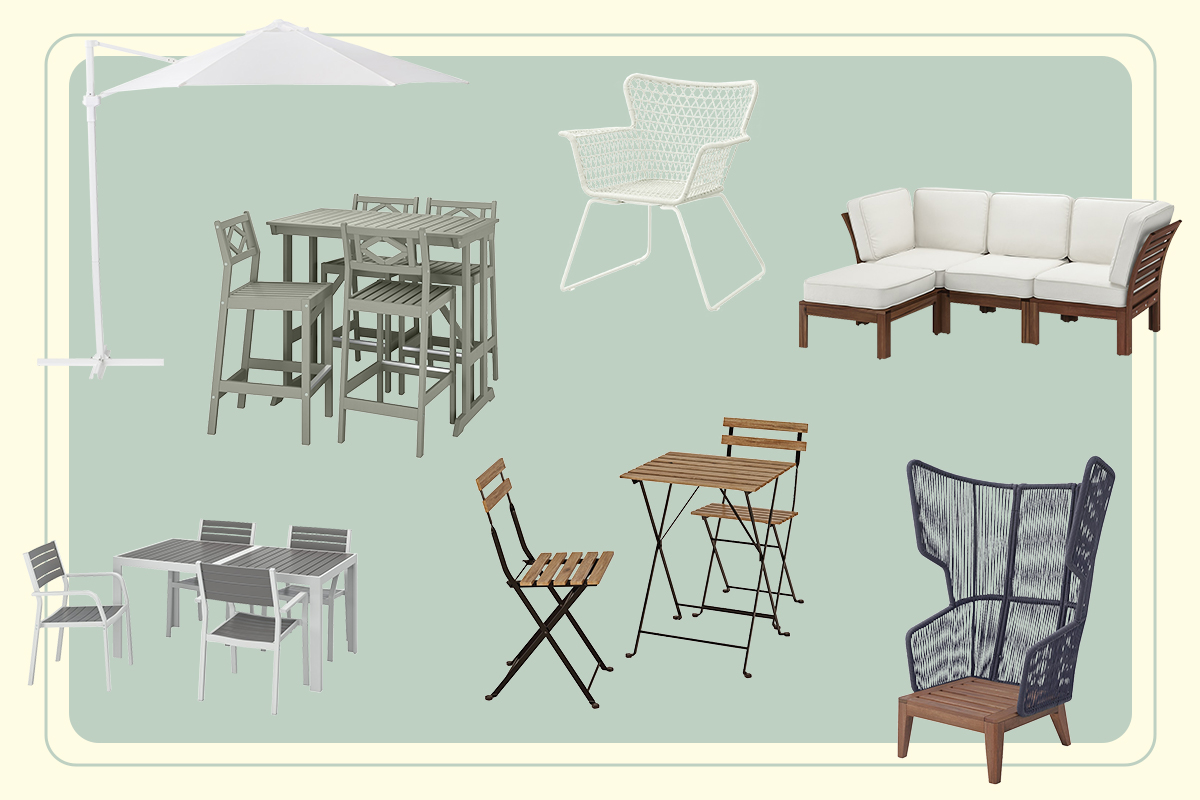
Hardscaping turns underused yard areas into practical outdoor living spaces. A patio serves as the foundation for an “outdoor room” complete with dining furniture, seating areas, and cooking spaces. Walkways connect different parts of your yard and create natural flow from your back door to gardens or play areas.
These defined spaces make entertaining guests easier and more enjoyable. From cozy fire pits for evening gatherings, made even better with outdoor string lights, to full outdoor kitchens for hosting parties, hardscaping lets you customize your yard to match your lifestyle.
Water management and conservation
Permeable pavers allow rainwater to soak into the ground instead of running off into storm drains. This helps replenish groundwater and reduces strain on municipal water systems. Replacing sections of thirsty lawn with hardscape features significantly reduces your outdoor water consumption.
This approach lowers your water bills and contributes to conservation efforts. It’s especially valuable in dry climates where water restrictions are common.
Defined paths and safer access
Walkways and steps provide clear, safe routes for navigating your property. They prevent people from walking on your lawn and guide visitors directly where you want them to go. This is particularly important on properties with uneven terrain or steep slopes.
Strategic landscape lighting along pathways enhances safety at night by reducing the risk of trips and falls. Whether you choose formal brick paths or informal stepping stones, these features improve both accessibility and safety.
Common hardscape types
The right hardscape features depend on your lifestyle, property layout, and landscaping budget.
Fire pits for gathering

A fire pit creates a natural focal point for your backyard while providing warmth and ambiance for social gatherings. They extend the usability of your outdoor space into cooler evening hours and seasons.
Built-in fire pits are often constructed from stone or brick to match existing patios, creating a cohesive, permanent feature. Portable fire pits offer flexibility to move around your yard and typically cost less than permanent installations.
Safety considerations include placing fire pits on non-flammable surfaces like patios or gravel areas, away from structures and overhanging branches.
Patios for outdoor living
A patio provides a solid, level foundation for outdoor furniture and activities. Most patios are located just outside the back door for easy access from your house. The material you choose affects both the look and maintenance requirements.
Stamped concrete offers many patterns and colors, often mimicking more expensive materials like stone or brick, and cleaning a concrete patio is straightforward compared to those pricier surfaces. Pavers are interlocking concrete or clay units that are durable and easy to repair if one gets damaged. Flagstone consists of large, flat slabs of natural stone that create a rustic look with irregular shapes and earthy colors.
Walkways for access and flow
Walkways connect different areas of your landscape and guide movement through your yard. They can be straight and formal or curved and meandering, depending on your preferred style.
Stepping stones are individual stones or pavers set into lawn or gravel beds for an informal, charming path. Gravel paths provide a cost-effective, low-maintenance option with a casual, rustic feel. Paver walkways create stable, uniform surfaces ideal for high-traffic areas.
Retaining walls for grade changes
Retaining walls hold back soil and create level tiers on sloped properties. They prevent erosion while adding dimension and structure to your landscape. These walls can create raised garden beds or define the edges of patios and other features.
Stacked stone offers a natural, textured appearance that blends well with gardens and softscaping. Concrete blocks are versatile and strong, available in many colors and styles, often designed to interlock for stability. Timber retaining walls provide a rustic, natural look but don’t last as long as stone or concrete options.
Outdoor kitchens for entertaining

Outdoor kitchens range from simple built-in grill stations with counter space to fully equipped kitchens with sinks, refrigerators, and storage. They’re typically built on patios for a stable, clean foundation.
Key components include a grill station as the centerpiece, countertops for essential prep space (often made from granite, concrete, or stainless steel), and storage through built-in cabinets and drawers that keep tools and supplies organized and protected from weather.
Water features for ambiance
Water features like fountains, ponds, and waterfalls add tranquility and sophistication to landscapes. The sound of moving water helps mask unwanted noise from neighbors or traffic, creating a more peaceful environment.
Fountains are available in styles from modern spheres to classic tiered designs. Ponds can support aquatic plants and fish, creating natural ecosystems in your backyard. Waterfalls are often built into slopes or retaining walls, adding dynamic movement and sound.
Common hardscaping materials
Material | Best Uses | Maintenance Level | Relative Cost |
|---|---|---|---|
Natural Stone | Patios, walkways, retaining walls | Low | High |
Concrete Pavers | Patios, walkways, driveways | Low | Medium |
Brick | Walkways, patios, edging | Medium | Medium |
Gravel | Paths, driveways, ground cover | Low | Low |
Wood/Composite | Decks, fences, pergolas | Medium-High | Medium-High |
Upgrade your outdoor space
Hardscaping creates lasting value by transforming your yard into functional, beautiful outdoor living areas. From patios and walkways to retaining walls and fire pits, these permanent features provide year-round structure while requiring minimal maintenance compared to traditional landscaping.
Whether you’re planning a simple paver walkway or a complete outdoor kitchen, professional installation ensures your hardscape project is built to last. Ready to bring your vision to life? Book a Tasker who specializes in hardscaping to help with design consultation, material selection, or full installation, and start enjoying your upgraded outdoor space sooner.
Hardscaping FAQs
What’s the difference between hardscaping and landscaping?
Hardscaping refers specifically to the non-living structural elements like patios and walls, while landscaping is the broader term that includes both hardscaping and softscaping (plants, lawn, trees). Most landscape projects combine both elements.
Can you install hardscaping over existing concrete?
Yes, you can often install pavers, stone, or other hardscape materials over existing concrete if it’s in good condition and properly prepared. The existing concrete must be level, crack-free, and have adequate drainage.
How long does a typical hardscape patio last?
A properly installed hardscape patio can last 20-30 years or more, depending on the materials used and local climate conditions. Natural stone and high-quality concrete pavers typically have the longest lifespans.
Do hardscape projects require permits?
Permit requirements vary by location and project scope, but retaining walls over certain heights, large decks, or structures affecting drainage often need permits. Check with your local building department before starting any major hardscape project.
What’s the best time of year to install hardscaping?
Last updated on April 1, 2026 by Grace Branscome