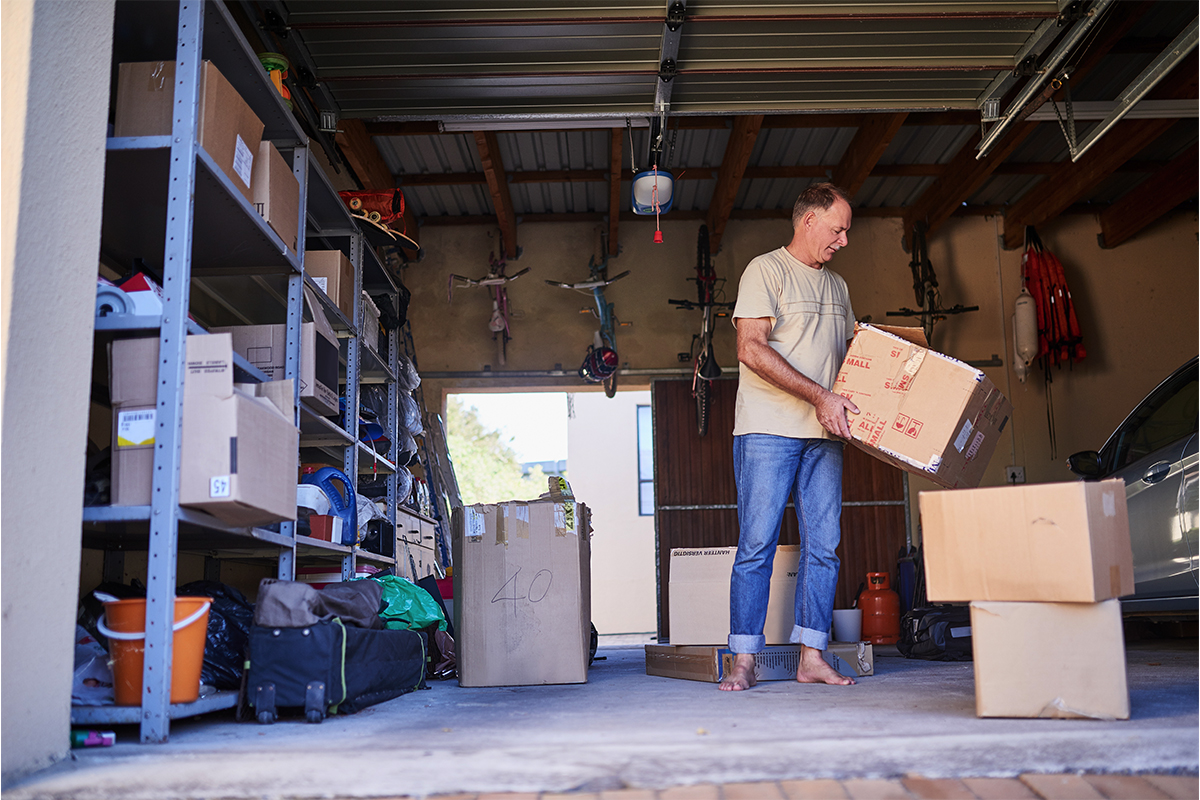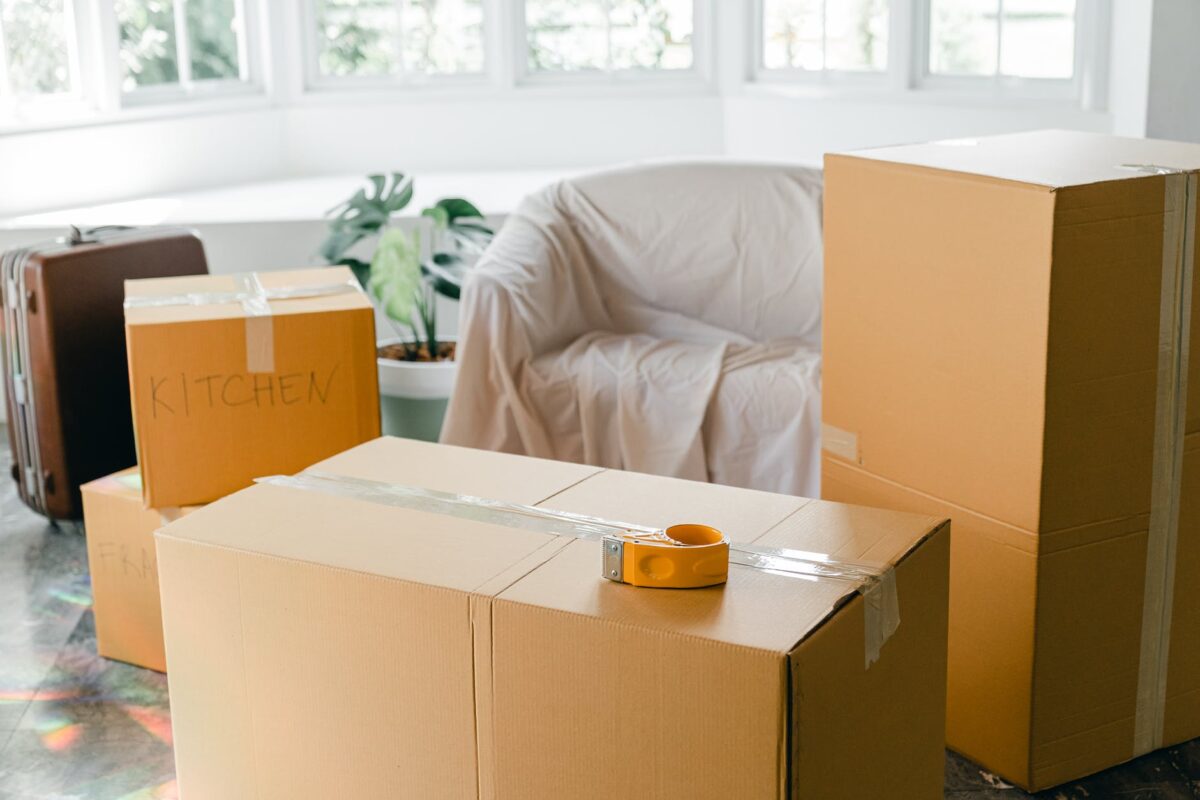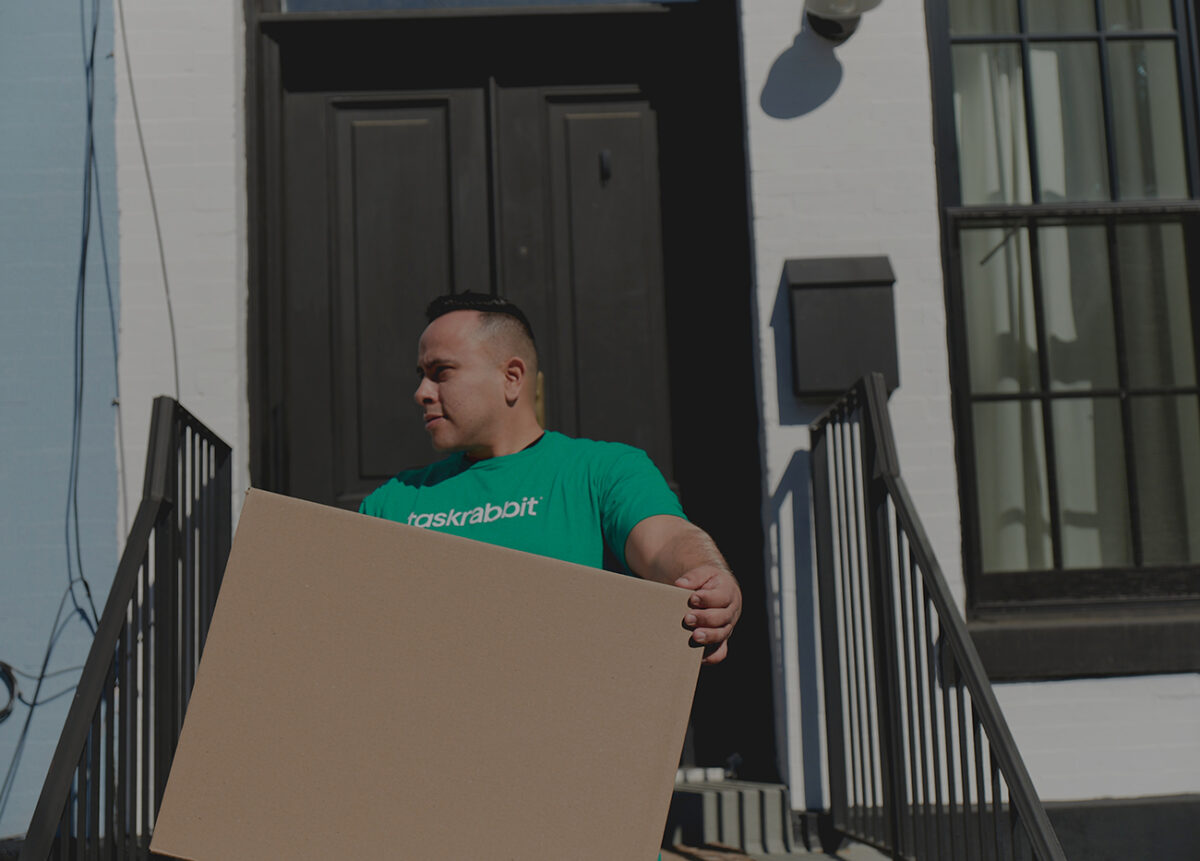

A micro-move, also called a small move or mini move, is a small-scale relocation involving a limited number of items or a short distance, typically a studio or one-bedroom apartment, a single room, a few pieces of furniture, or a move within the same city. Small moving services and micro moving services handle these jobs without the minimums, deposits, and weeks of lead time that full-service moving companies build around full-home relocations. On Taskrabbit, you can book vetted local movers by the hour, often same-day, so you pay for the small job you actually have, not a big one you don’t.
This guide explains what qualifies as a micro or small move, what one typically costs in 2026, when it’s the right choice (and when it isn’t), and how to get one done.
What is micro-moving?
A micro-move is a relocation that’s too small to justify a traditional moving company but still too much to comfortably handle alone. The terms small move, mini move, and micro moving are used interchangeably and have no single standardized definition, but small and micro moves consistently share four traits:
- Few items: a handful of furniture pieces, a dozen boxes, or the contents of a single room rather than a whole house.
- Short distance: within the same city, neighborhood, or building, or a move of just a few miles.
- Quick turnaround: usually completed in one to three hours rather than a full day.
- Low complexity: no full crew, large truck, or weeks of advance booking required.
If you’ve searched “small movers near me,” “single item movers,” “small load movers,” or “small job movers,” you’re describing the same need: a move too small for a full-service company. (Note that “micro move” is also used in unrelated contexts like fitness and habit-building; in a relocation context it means a small-scale, usually local move of limited volume.)
Common examples of a small or micro-move
- A studio or one-bedroom apartment move
- Relocating a single large item — a couch, mattress, bed frame, appliance, or piano
- Shifting furniture between floors or rooms of the same building
- A dorm or student move at the start or end of a semester
- Emptying or loading a storage unit
- Getting a Facebook Marketplace or Craigslist find home
- A partial move where you’re relocating only some belongings
If a full-service mover feels like overkill but renting a truck yourself feels like too much, you’re looking at a small move.
Micro-move vs. traditional move: what’s the difference?
| Factors | Small / micro move | Traditional full-service move |
|---|---|---|
| Volume | A few items to one room | Whole home |
| Distance | Local / same city | Local to long-distance |
| Time | 1–3 hours | Half day to multiple days |
| Crew | 1–2 movers | Full crew (3–5) |
| Booking lead time | Same-day to a few days | Often weeks in advance |
| Pricing model | Hourly; pay for what you use | Flat quotes, deposits, weight/time minimums |
| Best for | Studios, single items, in-building moves | Families, large homes, cross-country |
The core structural difference is the pricing model. Full-service and van-line movers typically set minimum charges, based on either a minimum shipment weight or a minimum number of hours (commonly two to six), because a large truck and crew cost roughly the same to dispatch whether you’re moving one couch or a five-bedroom house. For a genuinely small move, that minimum is money spent on capacity you never use.
How much does a small or micro-move cost in 2026?
Because small and micro-moves are usually billed hourly (labor, sometimes plus a vehicle), they cost dramatically less than a full-home move. For context on the full range in 2026:
- Local moves average roughly $80–$100 per hour for a two-mover team, per industry cost surveys, with full local moves commonly landing between $700 and $2,500 depending on home size and conditions.
- A single-item move can run as little as around $90–$200 on on-demand platforms, since you’re not paying for a full crew or a full day. One on-demand mover reports single-item moves averaging $93 and studio moves around $404 in its 2026 booking data.
- Labor-only help (loading, unloading, or in-building moves without a truck) is typically the cheapest route, since you skip truck, fuel, and mileage costs entirely.
Your actual cost comes down to hourly rate x time, plus any truck or supplies. The biggest variables are the number and weight of items, stairs vs. elevator access, and how far the items travel. Because rates vary by city and by mover, the most accurate number comes from viewing real hourly rates in your area before you book.
Figures above are 2026 industry-reported ranges for planning purposes, not quotes. Always confirm current pricing for your specific job and market.
When is a small or micro-move the right choice?
Small and micro-moving services make sense when your move is small but still needs muscle, a vehicle, or an extra set of hands:
- Moving out of or into a studio or one-bedroom apartment
- Relocating a single heavy item, sofa, bed, appliance, dresser
- In-building or floor-to-floor moves where a truck isn’t needed
- Dorm and student moves
- Emptying or loading a storage unit
- Marketplace pickups, getting a secondhand find home
- Partial moves where you’re only relocating some belongings
- Last-minute or same-day moves traditional companies can’t accommodate
When a small move is not the right fit
Being straight about this matters more than the sales pitch. A small or micro-move, and an hourly, labor-based service like Taskrabbit, is the wrong tool when:
- You’re moving a full, multi-bedroom home. At that volume, a full-service mover or van line is usually more efficient and often more cost-effective per item.
- It’s a long-distance or cross-country move. These are priced by weight and distance and need a carrier with interstate authority, not local hourly help. For small long-distance loads specifically, a dedicated small-load carrier (e.g., a consolidated shipping service) is the better fit.
- You need full-value insurance or white-glove protection for high-value, fragile, or specialty items (fine art, pianos, antiques). Verify what coverage any provider offers before booking, and consider a specialty mover for irreplaceable pieces.
- The job needs specialized equipment, hoisting, large freight elevators, or crating.
If your situation matches any of the above, a traditional or specialty mover will serve you better, and it’s worth getting binding written estimates from two or three of them.
Why Taskrabbit is a strong option for a small or micro-move
For the small, local, flexible jobs that define a micro move, Taskrabbit is purpose-built:
Pay only for what you need
Taskers charge by the hour, so a one-hour job costs about an hour of labor with no forced minimums that make you pay for a full day. For a small move, that’s often the single biggest cost difference versus a traditional company.
Same-day and next-day availability
As a marketplace of local, independent Taskers, Taskrabbit often has same-day or next-day availability rather than requiring weeks of lead time which makes us ideal for last-minute moves and marketplace pickups.
Vetted movers with real reviews
Every Tasker has a profile showing verified reviews, ratings, hourly rates, and completed-task counts, so you can choose someone with a strong moving-help track record before you book.
Transparent, upfront pricing
You see a Tasker’s hourly rate before booking, no surprise quotes or hidden fees, which makes budgeting a small job simple.
Help with or without a truck
Many small moves, especially in-building or floor-to-floor jobs, need only labor. You can book movers for lifting and loading, or find Taskers with a truck or van when transport is part of the job.
Flexible, bundled scope
Beyond lifting, Taskers can help with related tasks like furniture assembly and disassembly, packing and unpacking, mounting, and hauling, so the whole small move fits into one booking.
For high-value or fragile items, confirm the protection and coverage that apply to your specific booking before your move.
How to book a small move on Taskrabbit
- Describe your task: what you’re moving and your location.
- Choose the moving help category and note details like number of items, floors, stairs, or elevator access.
- Browse Taskers: compare hourly rates, reviews, and availability.
- Pick a time, often same-day or next-day.
- Book and confirm: chat with your Tasker to align on specifics.
- Pay securely through the platform once the job is done.
Frequently asked questions
A micro move, also called a small move or mini move, is any small relocation of a few items, a single room, one large piece of furniture, or a short local move that doesn’t require a full moving crew or a full day of work.
There isn’t a meaningful one. “Micro move,” “small move,” “mini move,” and “micro moving” are used interchangeably in the moving industry to describe a small-scale, usually local relocation. Some companies use one term over another as branding, but they refer to the same kind of job.
It depends on the hourly rate and how long the job takes. Single-item and in-building moves can start under $200, far below the minimum charge many full-service movers require. Local labor generally runs around $80–$100 per hour for two movers in 2026, though rates vary by city and mover.
Usually, yes, for genuinely small jobs. Traditional movers often have minimums built for full homes, so you’d pay for capacity you don’t use. Hourly small and micro moving services let you pay only for the time the job takes. For a full multi-bedroom home, a full-service mover is often the better value.
On Taskrabbit you can browse local Taskers who offer moving help, compare their hourly rates and reviews, and book, often for the same or next day, without the minimums or lead time of a traditional company.
Often, yes. Taskrabbit’s marketplace of local Taskers frequently has same-day or next-day availability, which suits last-minute small moves.
Not always. Many small moves, like moving furniture between floors or rooms, need only labor. When transport is required, you can find Taskers who have a truck or van.
Generally no. Long-distance moves are priced by weight and distance and need an interstate carrier. Small and micro moving services and hourly local help are best for local, same-city jobs; for a small long-distance load, use a dedicated small-load carrier.
Furniture, boxes, appliances, mattresses, and other household items. Taskers can also help with assembly, packing, and hauling as part of the job. For high-value or fragile items, confirm coverage before booking.
Last updated on August 4, 2026 by Meghan Lalonde