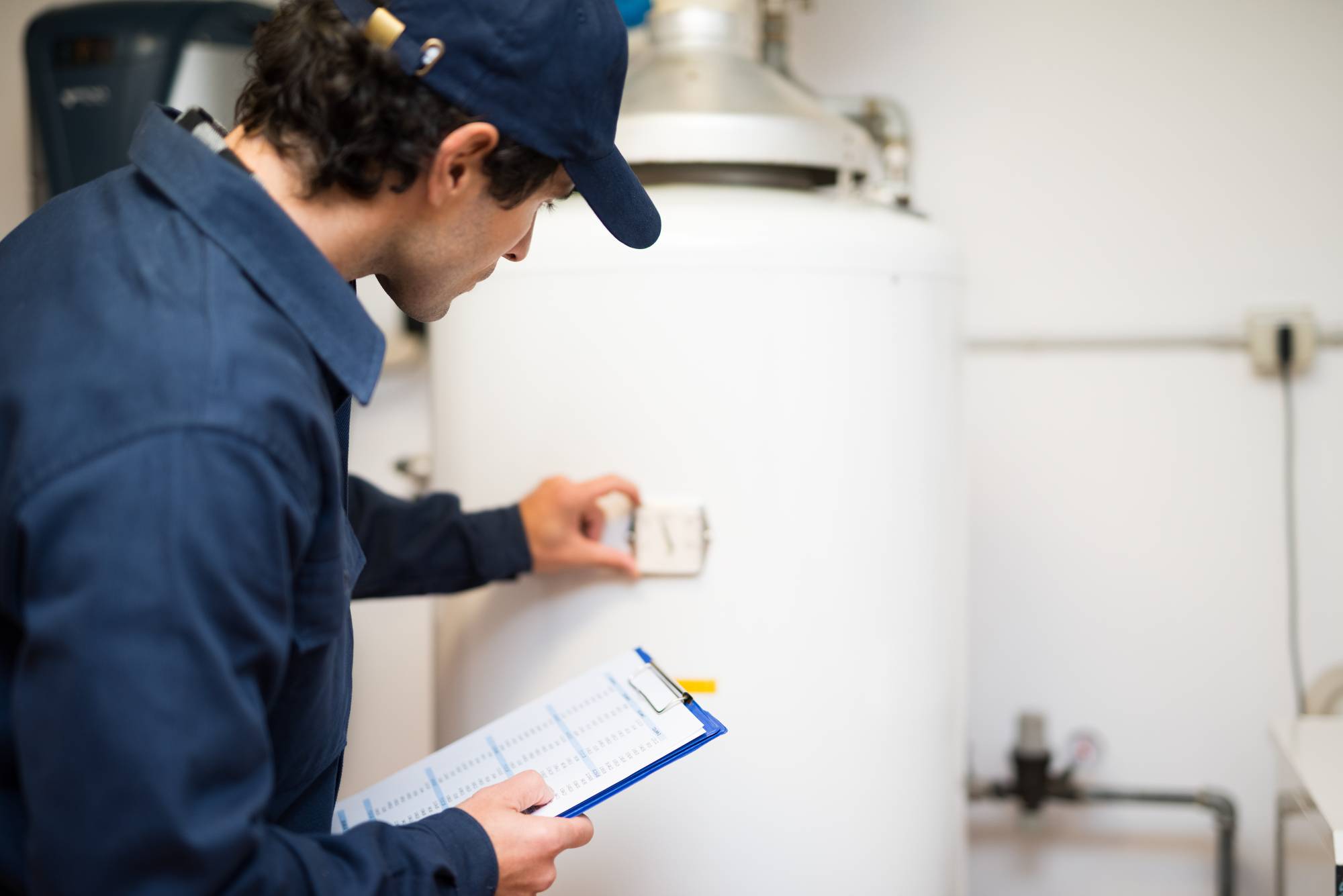
Hot water issues can throw off your day fast, whether it’s an unexpected cold shower or the stress of discovering a leak. If your heater is aging or acting up, you may be wondering whether a simple repair will do or if it’s finally time to replace it.
This guide walks you through the essentials so you can make a confident, informed decision, including:
- Typical water heater lifespan and what affects it
- Warning signs of failing units
- When repair is enough vs. when replacement makes more sense
- How professionals can help with safe installation and removal
When you’re ready for support, you can always book a Tasker to help with inspection, removal, installation, or related plumbing tasks.
What Is the Typical Lifespan of a Water Heater?
Understanding how long a water heater usually lasts is one of the easiest ways to know if yours is nearing end-of-life. While exact lifespans vary based on maintenance, water quality, and usage, here’s a general overview:
Average Lifespan by Type
These general lifespan ranges offer a quick snapshot of how long different types of systems usually perform before wear and tear begins to show. and makes it easier to gauge where your current heater stands in its life cycle. These estimates offer a helpful benchmark before you dive into inspection or diagnosis.
- Tank water heater: ~8–12 years
- Tankless water heater: ~15–20 years
Factors That Affect Lifespan
Not all water heaters age the same way—your home’s water quality, usage habits, and maintenance routine all influence how long your system will last. Keeping these factors in mind can help you plan ahead and avoid surprises.
- Hard water: Mineral deposits create sediment buildup, causing the heater to work harder.
- Lack of maintenance: Skipping tasks like flushing or checking the anode rod accelerates internal corrosion.
- High usage: Larger households naturally strain the system more.
How to Check Your Water Heater’s Age
Look for a manufacturer label or the serial number on the unit. The serial number often contains the production date, which you can decode through the manufacturer’s website or manual.
If your heater is approaching or past its average lifespan and showing signs of wear, it’s a good moment to schedule an inspection with a Tasker before issues escalate.
Key Signs It’s Time to Replace Your Water Heater
Even well-maintained units eventually decline. Here are the clearest signals that replacement may be the safer and more cost-effective option.
Immediate Attention Signs
Some water heater issues point to urgent structural problems that shouldn’t be ignored. These signs often indicate that the heater may be nearing the end of its safe, functional life.
- Rusty or discolored hot water
- Visible leaks or moisture around the base
- Corrosion on the exterior

Early Warning Signs
Other symptoms may start small but can signal that your heater’s performance is declining over time. Paying attention to these early clues can help you plan before a major issue occurs.
- Strange noises (rumbling, popping, banging)
- Inconsistent or insufficient hot water
- Rising energy bills
- Frequent repairs
If you’re experiencing several of these issues at once, it may be time to book a Tasker for help assessing whether repair or replacement makes the most sense.
Repair or Replace? How to Decide
Deciding whether to repair or replace your water heater can feel overwhelming, especially when costs and timing are top of mind. A few guiding principles can help you determine which path makes the most sense for your situation.
When a Repair May Be Enough
Repair is often a good choice for newer or well-maintained heaters—especially when the issue is isolated to a single component.
You may only need a repair if:
- The heater is under about 8–10 years old (tank) or still early in the lifespan window (tankless)
- Only a part has failed, such as the thermostat, heating element, or pressure relief valve
- There’s no corrosion, leaking, or structural damage
- You’ve kept up with maintenance like flushing or replacing the anode rod
When Replacement Is the Better Choice
Replacement is usually the safer long-term option when the unit is old, damaged, or unreliable.
Consider replacement when:
- The heater is near or past its typical lifespan
- There are signs of corrosion, sediment buildup, or recurring leaks
- You’ve had multiple major repairs recently
- Your household has grown and you need a system with greater capacity
- You want to upgrade to a more energy-efficient water heater
Benefits of Professional Replacement vs DIY
Replacing a water heater isn’t like swapping out a faucet. The process involves gas or electrical connections, pressure systems, and local building considerations.
Here’s why many homeowners choose professional help:
- Safety first: Handling gas lines and electrical components can be dangerous without training.
- Code and permit considerations: Pros are familiar with local requirements and common installation practices.
- Correct sizing and setup: Ensures your new heater is appropriate for your household and installed correctly.
- Old unit removal: You’ll get help hauling away the old heater and clearing debris.
- Convenience and flexibility: Book at a time that works for you, browse reviews, and choose an option that fits your needs.
When you’re ready, simply find plumbing help near you to move the project forward with confidence.

Proactive Maintenance & Planning Ahead for Replacement
Staying ahead of wear and tear can help extend your water heater’s life and reduce the chances of sudden breakdowns. A simple, consistent maintenance routine also makes it easier to plan for upgrades or replacements when the time is right.
Maintenance to Extend Your Heater’s Life
Run these recurring checks annually or semi-annually to help your water heater running efficiently and can prevent small issues from turning into bigger problems:
- Perform a full tank flush
- Inspect and replace the anode rod
- Test the pressure relief valve
- Look for signs of leaks, rust, or moisture
Quick, ongoing visual and sound-based inspections can help you catch early signs of trouble and maintain steady performance:
- Listen for new or unusual noises
- Keep area around the heater clear
- Monitor temperature consistency
When to Start Planning for a New Heater
Start planning when:
- Your heater is within a few years of its expected lifespan
- You want time to compare tank vs. tankless options
- You prefer replacing on your terms rather than during an emergency
Quick Water Heater Replacement Planning Checklist
Before you move forward with installation or scheduling support, use this quick list to make sure you’ve covered all the essentials and feel confident in your next steps.
- Confirm your heater’s age and type
- Note any warning signs
- Determine whether repair or replacement is likely
- Choose between tank vs tankless and needed capacity
- Set a budget and replacement timeline
- Plan for professional installation and removal
Ready to Take the Next Step?
A failing water heater doesn’t have to be a surprise. Once you know the typical lifespan, understand key warning signs, and weigh the repair-vs-replace decision, you can plan ahead with confidence.
Whenever you’re ready, Taskrabbit makes it simple to find trusted help for inspection, replacement, or routine maintenance. Book a Tasker now for support at any point in your water heater replacement process.
Frequently Asked Questions About Water Heater Replacement
How long does a hot water heater typically last?
Tank heaters usually last around 8–12 years, while tankless systems can last 15–20 years depending on maintenance, water quality, and usage.
Is it better to repair or replace an old water heater?
Repair is often best for newer units with minor part failures. Older heaters with corrosion, leaks, or multiple recent repairs are usually better candidates for replacement.
How do I know how old my water heater is?
Check the manufacturer label or serial number on the tank.
Is a tankless water heater worth the upgrade?
Many homeowners appreciate the longer lifespan, potential energy savings, and on-demand hot water.
What should I do if my water heater is leaking?
If safe, shut off the water supply and power/gas, then contact a professional.
Should I replace my water heater before it fails completely?
A planned replacement helps avoid emergency costs and stress.
Last updated on December 15, 2025 by Grace Branscome