
Storing winter clothes properly protects them from moisture, pests, and temperature extremes. This guide covers choosing the right containers, finding ideal storage locations, and using cleaning and labeling strategies that make the seasonal swap quick and easy.
Choose airtight storage solutions for winter clothes
Store clean, completely dry garments in airtight containers with pest protection in cool, dry locations away from sunlight. This prevents moisture damage, pest infestations, and fabric degradation.
For the best clothing storage, use the following:
Vacuum-seal bags: Compress bulky items to one-third their size. Great for synthetic materials and cotton, but avoid using for wool, cashmere, or down items as compression can damage natural fibers.
Clear plastic bins: Stack neatly, create airtight seals, and let you see contents without opening. Choose medium-sized bins (around 32 quarts) with tight-fitting lids.
Garment bags: Use breathable fabric bags (not plastic) for structured coats and blazers. Add cedar blocks or lavender sachets for natural pest protection.
Cedar storage: Cedar naturally repels moths and insects. Use cedar blocks, balls, or sachets in any container. Refresh annually by sanding lightly or adding cedar oil.
Under-bed storage: Low-profile boxes with wheels or handles keep clothes accessible and out of sight in climate-controlled, dark spaces (a particularly smart move in a small bedroom layout).

Folding vs. hanging clothes
The note only does container you store your clothes in matter, but also how you store them as this impacts how well your clothes maintain their shape. Follow these guidelines to decide whether to fold or hang each item:
Always fold: Sweaters, cardigans, knit dresses, and stretchy materials
Always hang: Structured coats, blazers, wool pants, and items with shoulder padding
Use wide hangers: Prevent stretching and maintain garment shape
Wrap delicates: Use acid-free tissue paper for silk or embellished items
Choose the right storage location
The ideal storage environment stays consistently cool, dry, and dark. Temperature swings and humidity can cause irreversible damage in just one season.
Best locations:
Bedroom closets: Climate-controlled, dark, and easy to monitor
Hall closets: Often underutilized and maintain steady conditions
Spare room closets: Good if the room is heated and cooled normally
Use with caution:
Finished basements: Only if dry. Waterproofing your basement can help create a safer environment. Use a dehumidifier and keep containers on shelves, never on concrete floors.
Climate-controlled attics: Only if properly insulated and ventilated to prevent extreme heat
Avoid completely:
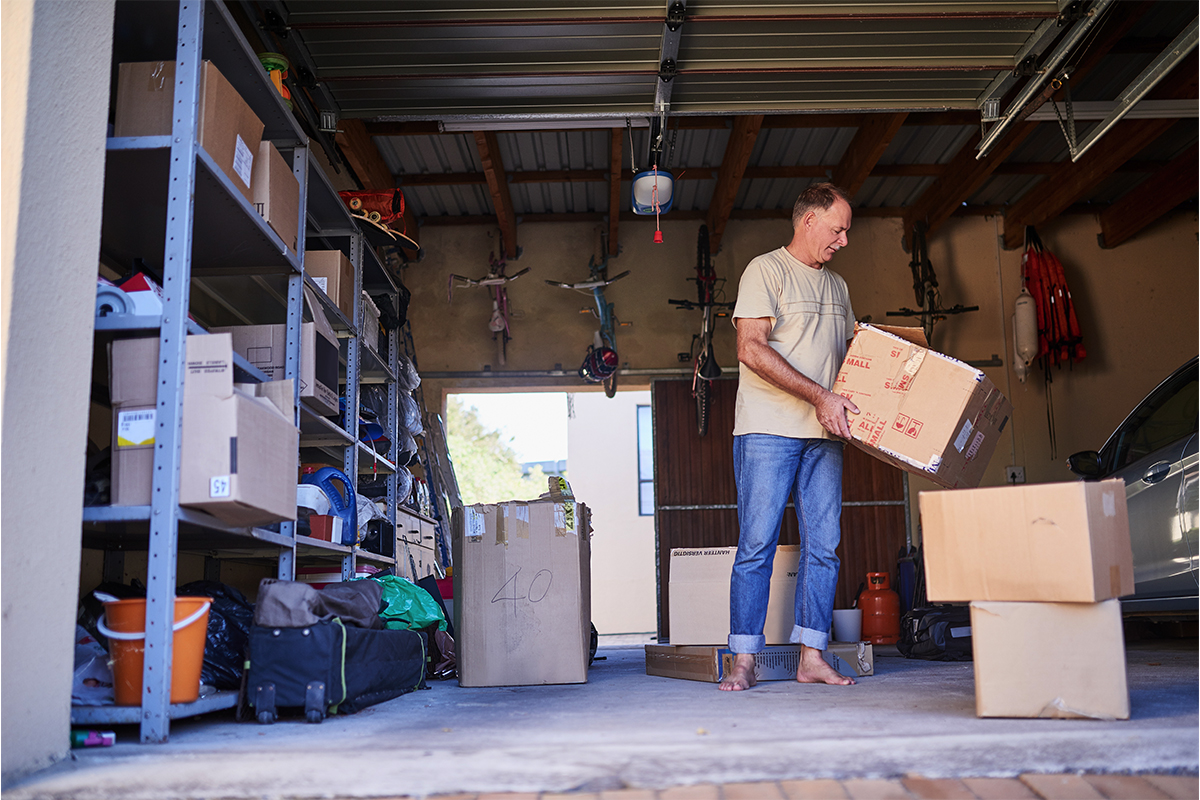
Garages: Temperature extremes, humidity, and car exhaust damage fabrics
Unfinished basements: Moisture, poor ventilation, and pest issues
Outdoor sheds: Temperature swings, roof leaks, and rodent problems
Tips for creating better storage conditions
Use moisture absorbers: Silica gel packets or calcium chloride containers
Ensure air circulation: Don’t pack storage areas too tightly
Elevate containers: Keep storage bins off concrete floors
Monitor humidity: Aim for 30-50% relative humidity
Block sunlight: Keep containers away from windows and direct light
Clean everything before storing
Always wash or dry clean clothes before storage. Even invisible body oils, perfume, and food particles attract pests and cause permanent stains over time.
Follow these fabric-specific washing guidelines to ensure your winter clothes are properly cleaned and ready for storage:
Cotton and synthetics: Regular wash cycle, ensure completely dry before packing
Wool: Hand wash in cool water with wool detergent, press out water, lay flat to dry
Down items: Machine wash with tennis balls in dryer to redistribute filling
Structured coats and silk: Dry clean at home or professionally to maintain shape and remove stains
Make sure items are completely dry before storing. Air-dry for at least 24 hours after they feel dry, especially thick items like sweaters and coats.
Add natural pest protection
Moths and fabric-eating insects are attracted to natural fibers, especially items with body oils or food particles.
Use these safe, effective options to protect your winter clothes:
Cedar: Add blocks, balls, or sachets to containers. Refresh annually by sanding or adding cedar oil.
Lavender: Use sachets with dried lavender buds. Replace annually.
Other herbs: Put rosemary, thyme, and cloves in fabric pouches.
What to avoid:
Traditional mothballs (toxic and leave strong odors)
Dryer sheets (don’t repel insects)
Plastic bags alone (insects can chew through)
Label everything for quick retrieval

A good labeling system saves hours of searching when cold weather returns. Include the following on labels for easy organization:
Specific contents: “Wool sweaters” instead of just “sweaters”
Owner information: Names or initials for family members
Storage date: Track how long items have been stored
Special notes: Care instructions like “hand wash only”
Labeling best practices
Use waterproof labels: Prevent smudging in humid areas
Write clearly: Use permanent markers or label makers
Place labels consistently: Same spot on all containers
Color-code: Assign colors to family members or clothing types
Space-saving strategies
Use suitcases: Empty luggage makes excellent storage containers. Apply the same techniques you’d use when packing clothes for moving
Stack strategically: Heaviest containers on bottom, lightest on top
Utilize door space: Over-door organizers for accessories and shoe storage
Think vertically: Tall, narrow containers are ideal storage ideas for small spaces and fit in tight areas better
Ready to tackle your seasonal storage but short on time? Skilled Taskers can help you sort, pack, and organize your entire wardrobe, making the seasonal switch completely effortless. Book a Tasker today.
Frequently asked questions about winter clothing storage
How often should I check on stored winter clothes?
Check stored clothes once during the storage season, ideally after the first month. Adding this to your home maintenance checklist allows you to catch any moisture or pest problems early before they cause significant damage.
What’s the difference between cedar blocks and mothballs?
Cedar blocks use natural oils to repel insects and add pleasant fragrance, while mothballs contain toxic chemicals that leave strong odors. Cedar is safer for families and pets while being equally effective.
Can I use vacuum-seal bags for all winter clothes?
Vacuum-seal bags work well for synthetic materials and cotton items but can damage natural fibers like wool, cashmere, and down. Use regular airtight containers for delicate materials instead.
How long can I safely store winter clothes?
Properly stored winter clothes can last indefinitely, but check them annually for signs of damage or pest activity. Consider donating items you haven’t worn in 2-3 years to keep your storage system manageable.
Last updated on April 21, 2026 by Grace Branscome