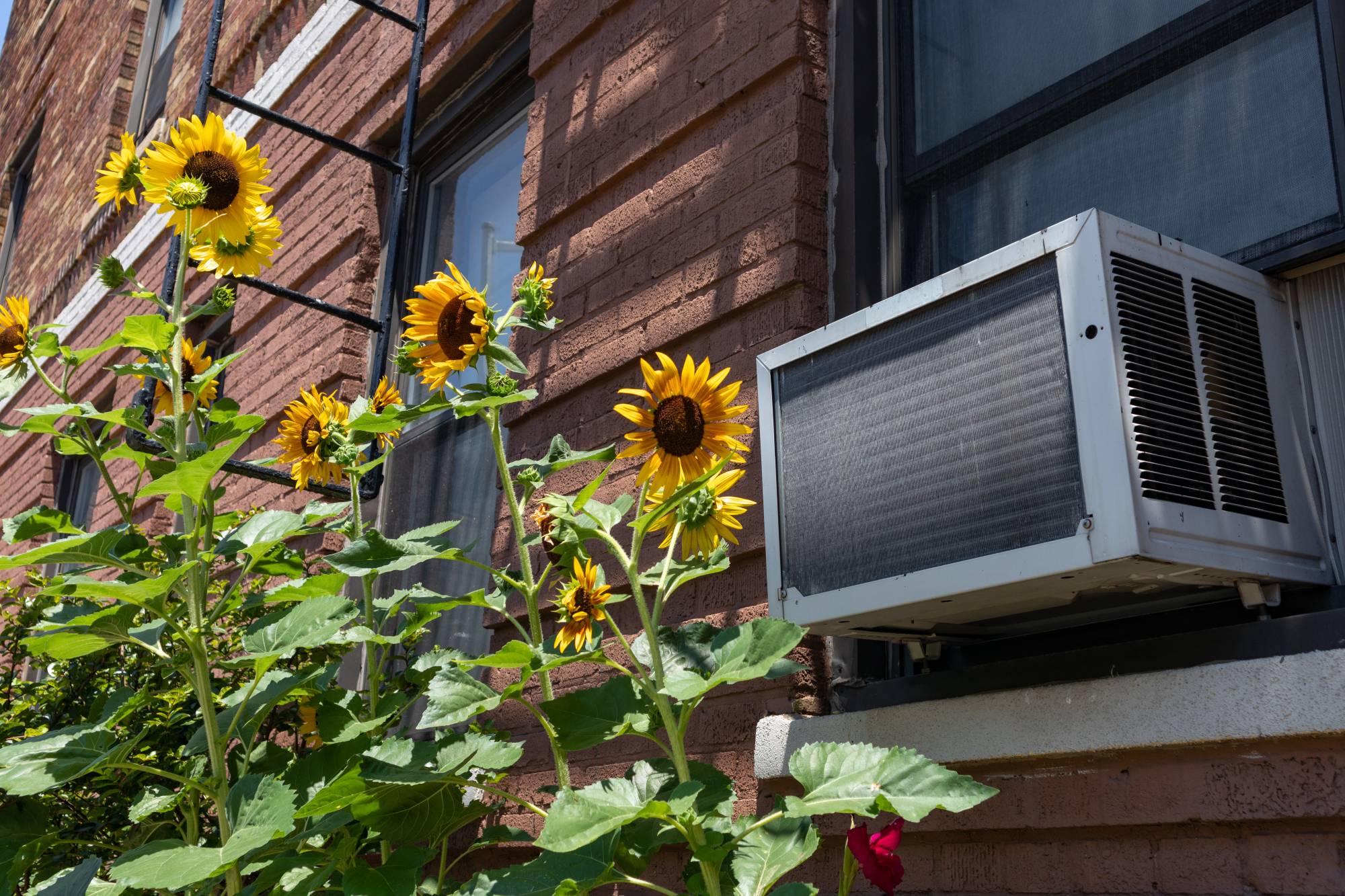

A clean window air conditioner cools more efficiently, uses less energy, and won’t fill your home with that mysterious musty smell that makes guests wonder what’s lurking in your vents. This guide walks you through the complete cleaning process, from gathering the right supplies to knowing when the job calls for professional help instead of another weekend spent wrestling with coils and cursing at instruction manuals.
What you need to clean a window air conditioner
Cleaning a window air conditioner requires unplugging the unit, removing and washing the filter, vacuuming dust from the coils, and applying specialized cleaners to break down grime. This process improves cooling efficiency and prevents mold growth that can cause health issues and unpleasant odors.
You’ll need basic household supplies plus a few specialized products to get the job done right. Most items are probably already in your cleaning closet, but investing in proper coil cleaner makes a significant difference in results.
Basic cleaning supplies:
Warm water and mild dish soap for washing removable parts
Soft brush or old toothbrush for scrubbing without damage
Microfiber cloths for wiping and drying surfaces
Vacuum with brush attachment for removing loose debris
Spray bottle for rinsing components
Screwdriver set for removing panels
Specialized cleaning products:
Coil cleaner: This foaming spray dissolves dirt and grease from metal fins without scrubbing
Fin comb: A small rake-like tool that straightens bent aluminum fins to restore airflow
Bleach or white vinegar: Diluted solutions kill mold and sanitize the drain pan
Safety gear: Gloves and glasses protect you from chemicals and flying debris
The coil cleaner is the most important specialized product because it reaches areas your brush can’t access. These cleaners expand into foam that penetrates between the thin metal fins where most dirt accumulates.
How to clean a window air conditioner step by step
Following the correct sequence prevents damage to your unit and ensures you don’t miss any crucial components. Each step builds on the previous one, so skipping ahead can create problems later.
1. Turn off and unplug the unit
Safety comes first when working with any electrical appliance. Turn off the air conditioner using its control panel, then unplug it completely from the wall outlet.
Wait at least 5 minutes after unplugging before you start working. This allows the electrical capacitors inside to discharge, eliminating any risk of shock when you handle internal components.
2. Remove the front panel and filter

The front panel or grille covers the filter and gives you access to the interior components. Most panels either snap off with gentle pressure or are held by 2-3 screws that you can remove with a screwdriver.
Handle the panel carefully to avoid breaking plastic clips that secure it in place. If you’re unsure how it detaches, check your owner’s manual for specific instructions before forcing anything.
The air filter sits directly behind the front panel and usually slides or lifts out easily. Some filters have a handle or tab to make removal simpler.
3. Wash the filter with warm soapy water
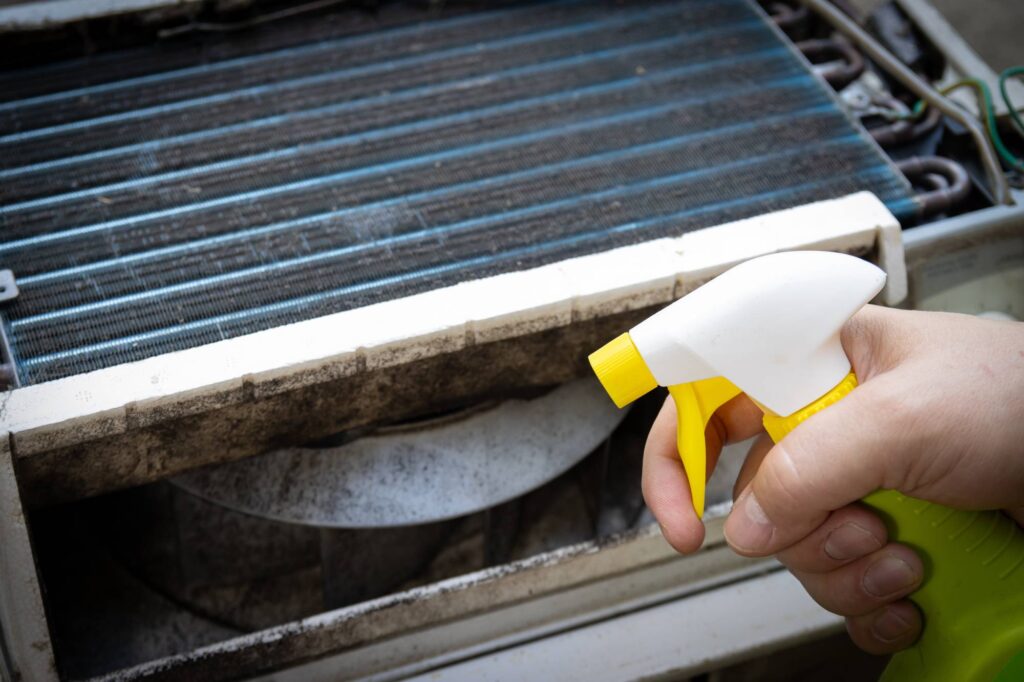
The filter traps dust, pollen, and other particles from the air before it reaches the cooling coils. Take the removed filter to your kitchen sink and rinse it thoroughly with warm water.
Add a small amount of mild dish soap and use your hands or a soft brush to gently scrub away built-up grime. Work the soap into all areas of the filter material to ensure complete cleaning.
Rinse the filter completely with clean water to remove all soap residue. Set it aside to air dry completely before reinstalling it, as a wet filter promotes mold growth inside your unit.
4. Vacuum dust from coils and fins
With the filter removed, you’ll see the evaporator coils, which are thin metal plates responsible for cooling the air. These coils are surrounded by delicate aluminum fins that can bend easily.
Use your vacuum’s brush attachment to gently remove loose dust and debris from the coils and fins. Work in the direction of the fins (usually up and down) to avoid bending them out of shape.
Take your time with this step because bent fins restrict airflow and reduce your unit’s cooling efficiency. Vacuum all visible surfaces, including the areas around the sides where dust tends to accumulate.
5. Spray coil cleaner and rinse the evaporator
Coil cleaner is a specialized product that expands into foam to penetrate deep between the fins where your vacuum can’t reach. Apply the cleaner generously to all visible coil surfaces, following the product instructions for coverage.
Let the foam sit for the recommended time, typically 10-15 minutes. You’ll see it dissolve dirt and grime as it works, with the dirty foam dripping down into the drain pan below.
After the waiting period, use your spray bottle filled with clean water to gently rinse the coils. Spray from the inside toward the outside to push debris away from the unit rather than deeper into it.
Avoid electrical components: Never spray water directly on the control panel, wiring, or motor areas
Use gentle pressure: A light mist is sufficient; high pressure can damage the delicate fins
Work systematically: Start at the top and work your way down to ensure complete coverage
6. Clean the condenser at the back of the unit
The condenser coils face outside and collect outdoor debris like pollen, leaves, and pollution. If you can safely access the back of your unit, vacuum away any large debris using the brush attachment.
For units that are easily accessible, you can apply the same coil cleaner to the condenser coils. The process is identical to cleaning the evaporator coils, but you may encounter more stubborn outdoor grime.
If you notice bent fins on the condenser, use a fin comb to carefully straighten them. Insert the comb’s teeth between the fins and gently pull it along to restore the proper spacing and airflow.
7. Clear the drain pan and hose
The drain pan sits at the bottom of your air conditioner and collects water that condenses during the cooling process. This pan can become clogged with algae, mold, and debris that create musty odors.
Remove any standing water with a cloth or paper towels, then clean out visible debris. Look for a small drain hole or hose that carries water outside your home.
Pour a solution of equal parts water and white vinegar into the drain pan to kill mold and clear minor clogs. This natural solution is safer than bleach and equally effective for most cleaning needs.
Check for clogs: Pour a small amount of water into the pan to see if it drains properly
Clean the drain line: Use a thin wire or pipe cleaner to clear blockages in the drain hose
Sanitize regularly: Monthly vinegar treatments prevent mold buildup during heavy use periods
8. Reassemble and test the unit
Once all components are clean and the filter is completely dry, you can put everything back together. Start by sliding the dry filter back into its designated slot, ensuring it sits properly in the tracks.
Reattach the front panel by reversing the removal process. Make sure all clips snap securely into place or tighten screws finger-tight to avoid over-tightening plastic components.
Plug the unit back into the wall outlet and turn it on for a test cycle. Listen for unusual noises and verify that water drips from the outdoor drain, indicating proper function.
How often should you clean a window air conditioner
Your cleaning schedule depends on how much you use the unit and your local environment. Heavy use in dusty or humid conditions requires more frequent attention than occasional use in clean environments.
The filter needs the most frequent cleaning because it’s your first line of defense against airborne particles. During peak cooling season, plan to clean it monthly or even bi-weekly if you have pets or live in a dusty area.
Regular maintenance schedule:
Filter cleaning: Monthly during active use, more often in dusty environments
Coil cleaning: Twice yearly, typically spring startup and fall shutdown
Deep cleaning: Annually before heavy use season begins
Drain pan maintenance: Monthly during humid weather when condensation is heavy
Signs you need immediate cleaning:
Reduced cooling performance despite normal operation
Musty or moldy odors coming from the vents
Visible dust accumulation on air outlets
Water leaking inside your room instead of draining outside
Unusual noises during operation
Don’t wait for these warning signs to appear. Regular maintenance prevents most problems and keeps your unit running efficiently throughout the cooling season. While you’re at it, other appliances like your dryer vent benefit from the same kind of routine attention.
Window AC maintenance tips for better performance
Preventive maintenance extends your unit’s life and keeps it running at peak efficiency. These simple practices take just a few minutes but can save you money on repairs and energy costs. Small moves like adjusting your ceiling fan direction can complement your AC’s workload, too.
Installation and positioning:
Proper tilt: Your unit should slope slightly toward the outside to help condensation drain properly
Secure mounting: Check that window brackets and supports remain tight and stable
Weather sealing: Ensure foam strips and side panels block air leaks around the unit
Seasonal care:
Spring preparation: Clean thoroughly before first use and check for winter damage
Summer monitoring: Keep the outdoor side clear of leaves, grass clippings, and debris
Fall shutdown: Clean before storage and winterize your window AC unit to prevent cold-weather damage
Regular filter replacement is often more practical than cleaning, especially for inexpensive fiberglass filters. Consider upgrading to higher-efficiency filters that capture smaller particles and last longer between changes.
Keep a maintenance log to track cleaning dates and any issues you notice. This helps you spot patterns and catch problems early, plus it’s useful information if you need professional service.
When to hire a pro for window AC cleaning
While basic cleaning is manageable for most homeowners, certain situations call for professional expertise. Recognizing when you’re in over your head can save you time, money, and potential safety hazards, and AC cleaning is just one of many handyman tasks you can outsource rather than wrestle with yourself.
Consider professional help for:
Extensive mold growth: Black mold throughout the unit requires proper containment and removal techniques
Internal component access: Cleaning the blower wheel and internal parts requires partial disassembly
Electrical problems: Sparking, burning smells, or frequent breaker trips indicate serious issues
Warranty protection: Professional maintenance may be required to keep your warranty valid
Physical limitations: Heavy units in awkward locations can be dangerous to handle alone
Multiple unit efficiency: If you have several window air conditioners, hiring a professional to service them all at once is often more cost-effective than tackling them individually. Professionals have the right tools and experience to work quickly and safely.
Keep your cool with regular AC maintenance
A clean window air conditioner runs more efficiently, saves energy, and keeps your home comfortable without mysterious odors or reduced cooling power. Regular maintenance prevents costly repairs and extends the life of your unit significantly.
While basic cleaning is straightforward with the right supplies and techniques, some situations call for expertise. If you’re short on time or dealing with stubborn mold and grime, hiring a Tasker can get your AC running like new. Book an experienced Tasker today to handle your window air conditioner cleaning and enjoy cool, fresh air all season long.
Frequently asked window AC unit cleaning questions
Can you clean a window air conditioner without removing it from the window?
Yes, you can clean most components without removing the unit by accessing the filter and front coils from inside your room. However, thoroughly cleaning the exterior condenser coils and drain system is much easier when you can remove the unit completely.
What happens if you don’t clean your window air conditioner filter regularly?
A dirty filter restricts airflow, forcing your unit to work harder and use more energy while providing less cooling. Eventually, the reduced airflow can cause the evaporator coils to freeze, potentially damaging the compressor and requiring expensive repairs.
How do you remove black mold from a window air conditioner?
For light mold growth, clean the affected areas with a solution of equal parts water and white vinegar, then rinse and dry thoroughly. Extensive black mold requires professional removal because disturbing it can release dangerous spores into your home’s air.
Is it safe to use a pressure washer on window AC condenser coils?
No, pressure washers generate too much force and will bend or damage the delicate aluminum fins on the condenser coils. Use a garden hose with a gentle spray setting or stick to vacuum cleaning and specialized coil cleaners for safe maintenance.
Why does my window air conditioner smell musty even after cleaning?
Persistent musty odors usually indicate mold growth in areas you can’t easily reach, such as inside the drain pan, within the ductwork, or on the evaporator coils behind the visible surfaces. This often requires professional cleaning or partial disassembly to address completely.
Last updated on April 21, 2026 by Isabel Gottlieb