Most homeowners are surprised to learn that the products and practices they use to maintain their yards can negatively impact the health of the soil, surrounding plants, animals, and people nearby. The same way using non-toxic cleaning products in your home can make a difference, there are steps you can take outside your home to “go green”. Here are a few tips to make your yard more sustainable.

Use Water Responsibly
We’re lucky: we turn on a hose or sprinklers, and water comes out. But becoming conscious of how much water it takes to maintain your yard is a major step toward more sustainable gardening. Here are some ways to reduce your water usage:
- Reduce frequency of watering: Whenever you do decide to water your grass or garden, make sure the water goes deep into the soil. Shallow watering leads to shallow root growth. This makes your lawn susceptible to drought and insect problems.
- Xeriscape: This is the process of gardening or landscaping that uses minimal water. You can xeriscape by using rocks where possible (instead of a flower bed or grass, for instance) or replacing plants that need high volumes of water with low-water plants like cacti or succulents. Not sure where to start? Hire a Tasker to help.
- Install a rain barrel: A rain barrel is a tank that collects rainwater runoff for later use. The water collected is naturally soft, so it’s perfect for reusing for your gardening needs. It’s also free and will reduce your water bill!
Avoid Chemicals & Pesticides
Many homeowners use lawn care products that make their gardens look nice, but which degrade the soil, pollute water, and toxify the air that they breathe.
Green landscaping is all about avoiding unwanted pollution from your gardening activities. Try the following:
- Use organic fertilizers: These are far better than using nitrogen- and phosphorus rich fertilizers that can easily run off into groundwater sources and contribute to water pollution.
- Only apply fertilizer in fall and spring: These are the times when fertilizer is most beneficial to your grass. Stick to this timeline and you won’t over-fertilize.
- Avoid pesticides and herbicides: These can turn rich, healthy soil into dead dirt that is more hospitable to weeds than to lush plants. They also have a harmful effect on the insects in your garden, many of which–like bees and butterflies–are beneficial for pollination. The same is true for kids and pets that might play outside.
Use Local & Reusable Materials
If you’re gearing up for a new landscape project that involves building materials–perhaps a new porch, gazebo, or BBQ pit–make sure you choose materials that are long-lasting and sustainably produced. Locally sourced wood and stone are great options. Choosing long-lasting products ensures that you won’t have to replace them until much later either.
If you know of a project that you want to kick off, book a Tasker to get started!

Grow Your Own Herbs
Making your yard more green can be a fun project that instills you with a sense of ownership and pride. One practice to consider, particularly if you enjoy cooking at home, is to grow your own herbs, like basil, chives, parsley, coriander, mint, rosemary, and more. Benefits include:
- Cutting down on packaging: When bought from the store, herbs typically come in environmentally harmful cellophane or plastic wrap. (This is also one less item you’ll need to buy from the grocery store!)
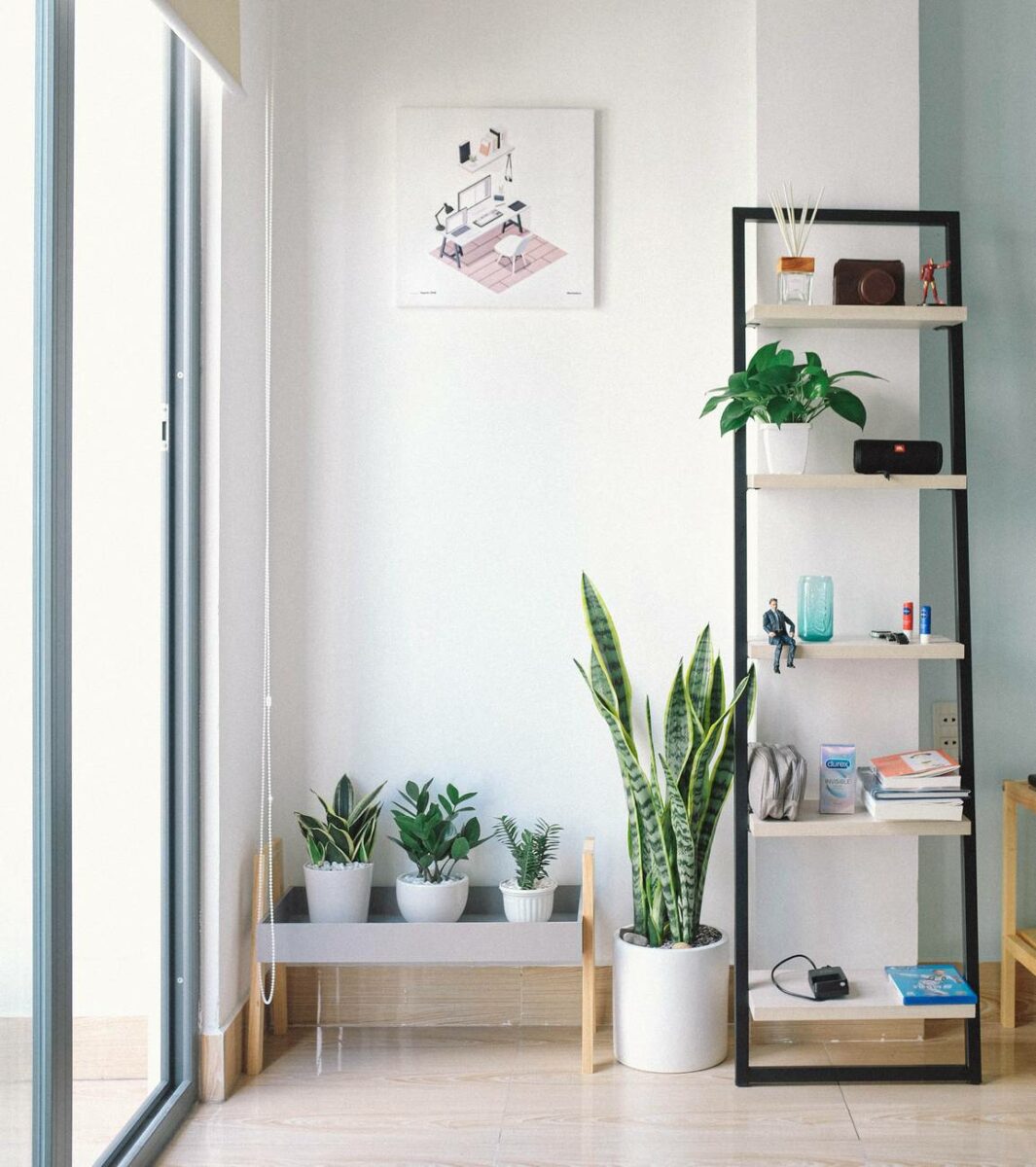
- It requires limited space: You don’t need much more than a window sill or balcony.
- Organic and healthy: At the end of the day, there’s the added benefit of knowing where your food comes from and that it’s pesticide-free.
Manage/Reuse Waste
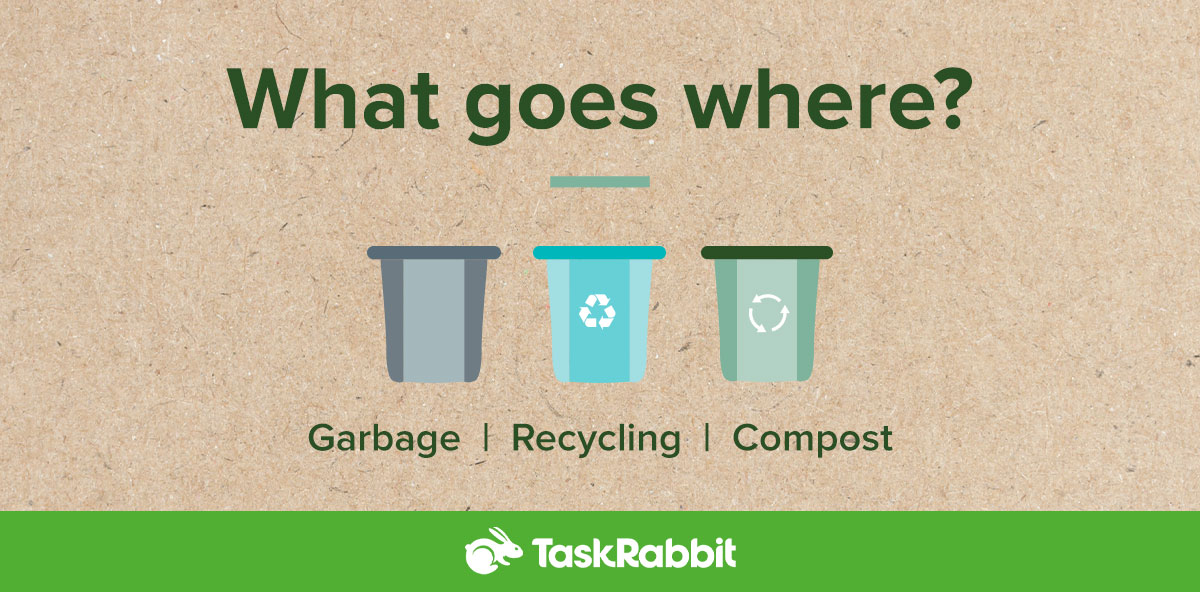
No matter what kind of lawn or garden you have, it will always generate green waste (also known as compost). One easy way to make your yard work sustainable is by putting this green waste to use. You can combine grass, twigs, leaves, and food scraps and keep them in compost piles or bins that remain outdoors. Once they’ve decomposed, you’ll have your very own organic fertilizer to use on your lawn in place of synthetic fertilizer

Choose Low- and No-Emissions Equipment
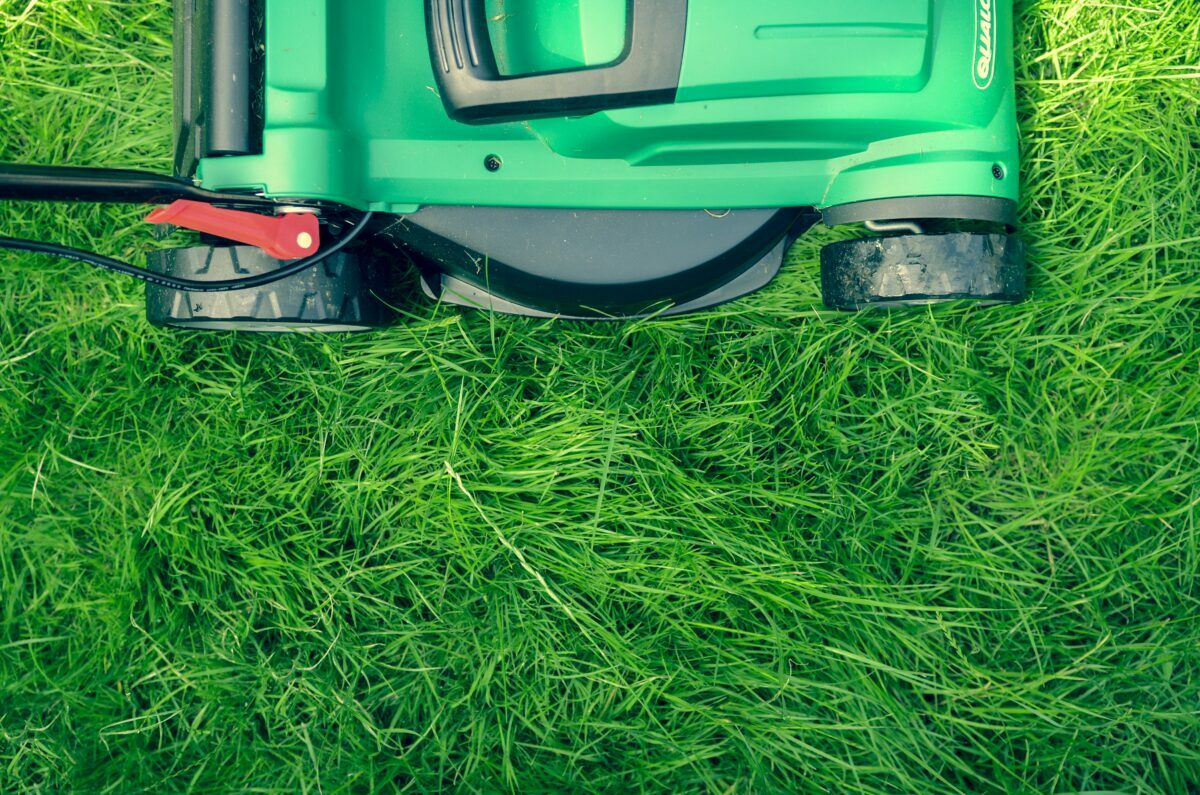
Power equipment like lawnmowers, snowblowers, leaf vacuums, and leaf blowers all contribute to your lawn’s carbon footprint. When you purchase one of these devices, make sure it’s as eco-friendly as possible so as to limit the pollution created from taking care of your lawn.
- Avoid gas-burning machines: Electrical devices don’t release as much pollution as gas-powered ones. Better yet, if you can find a zero-emission device that gets the job done, you may consider opting for that.
- Use a manual-powered device: A tried and tested option is to go old school and use a push mower. No emissions, and a little extra exercise while you’re at it!
- Reduce your lawn size: Consider transforming part of your lawn into an area featuring shrubs and other low-maintenance plants.
There are many ways that you can make your yard more “green”. Need help getting started? Book a Tasker to help.
Information provided by The Hutch is for general and informational purposes only and we make no warranty regarding the accuracy, completeness, or validity of any content.