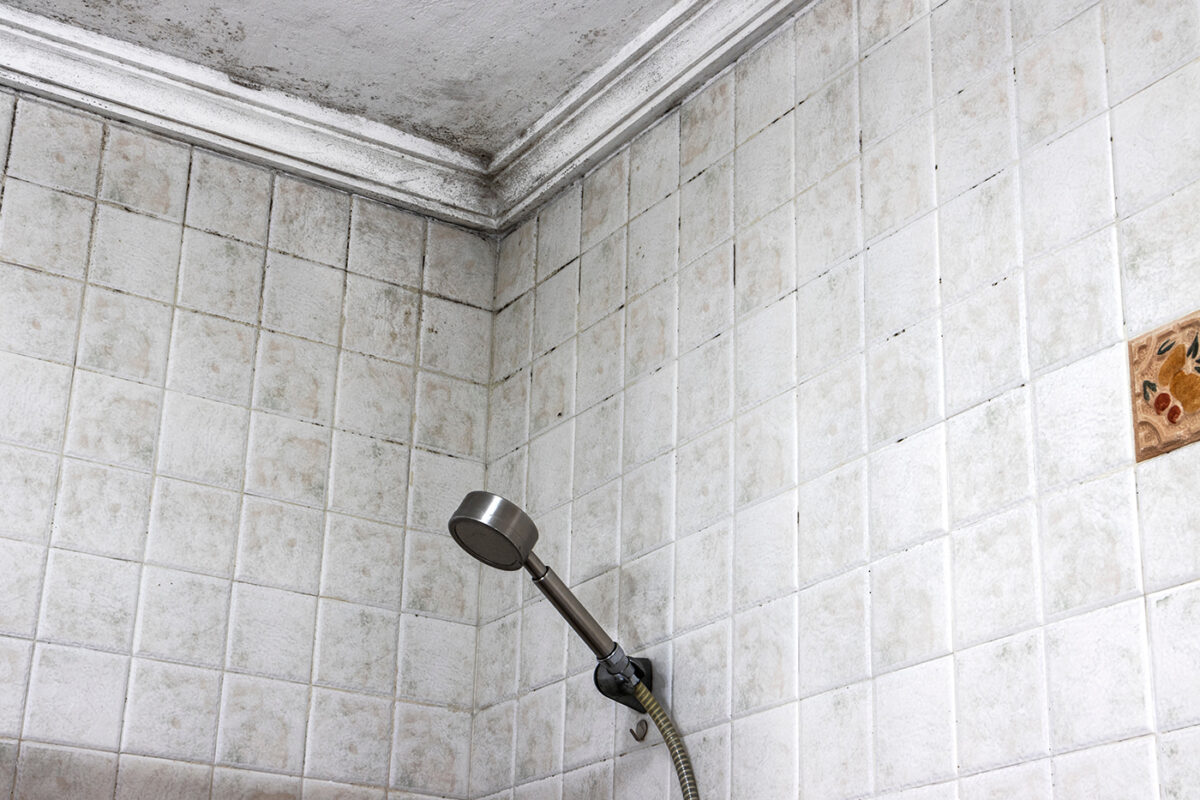
Mold in bathroom ceilings is a common problem that many homeowners face. The warm, humid environment of bathrooms creates the perfect breeding ground for mold spores to thrive. Left unchecked, black mold and mildew can spread rapidly, causing unsightly stains and potential health issues.
Fortunately, removing mold from your bathroom ceiling can be straightforward with the right products and techniques.
Tools to remove mold
To get rid of mold and effectively kill mold on your bathroom ceiling, you’ll need to gather the following tools and materials:
Gloves (rubber or nitrile)
Protective eyewear
Sponge or soft-bristled brush
Spray bottle
Cleaning solution (white vinegar, hydrogen peroxide, or a DIY mixture)
Warm water
Microfiber cloths or rags
Stepladder
Plastic sheeting or drop cloths
Borate-based solution or mold-resistant primer (to prevent future growth)
Having the right tools ensures safe and effective mold removal:
Safety gear: Protects you from mold spores and chemical exposure
Application tools: Spray bottles and brushes for even coverage and scrubbing
Cleanup supplies: Microfiber cloths and plastic sheeting for containment
With the proper tools and materials, you’ll be well-equipped to tackle the mold problem on your bathroom ceiling like a pro.
Household substances to remove bathroom ceiling mold
Professional mold remediation services are recommended for large or persistent mold problems. For small areas, you may tackle bathroom ceiling mold yourself using common household substances.
Many natural and readily available items have antifungal and antimicrobial properties that can help kill mold spores and remove surface mold growth. Before reaching for harsh chemicals, consider these best mold removers for bathroom ceilings made from pantry staples:
Vinegar: White distilled vinegar is an effective mold killer. How to use vinegar to kill mold: Spray undiluted vinegar directly on the moldy areas, let it sit for 15 minutes, then scrub mold off. Give the area a light vinegar spray, and allow it to air dry.
Baking soda: Baking soda can help remove mold by absorbing moisture and scrubbing away spores. Mix baking soda with warm water, spray on mold, and scrub.
Hydrogen peroxide: A 3% hydrogen peroxide solution can kill mold. Spray it on the affected area, but test first to ensure it doesn’t cause discoloration.
Tea tree oil: This essential oil has antifungal properties. Mix a teaspoon of tea tree oil with a cup of water, spray on mold, let it dry an hour, then wipe clean.
Lemon juice: Lemons’ high acidity can kill mold spores. Spray lemon juice on the moldy area, let it sit for 10-15 minutes, then wipe away.
How to remove mold on bathroom ceilings
Properly cleaning mold off the bathroom ceiling, bathroom walls, or shower curtain requires careful preparation and the right techniques. Here are the steps to effectively remove mold growth and prevent future issues:
1. Get your gear
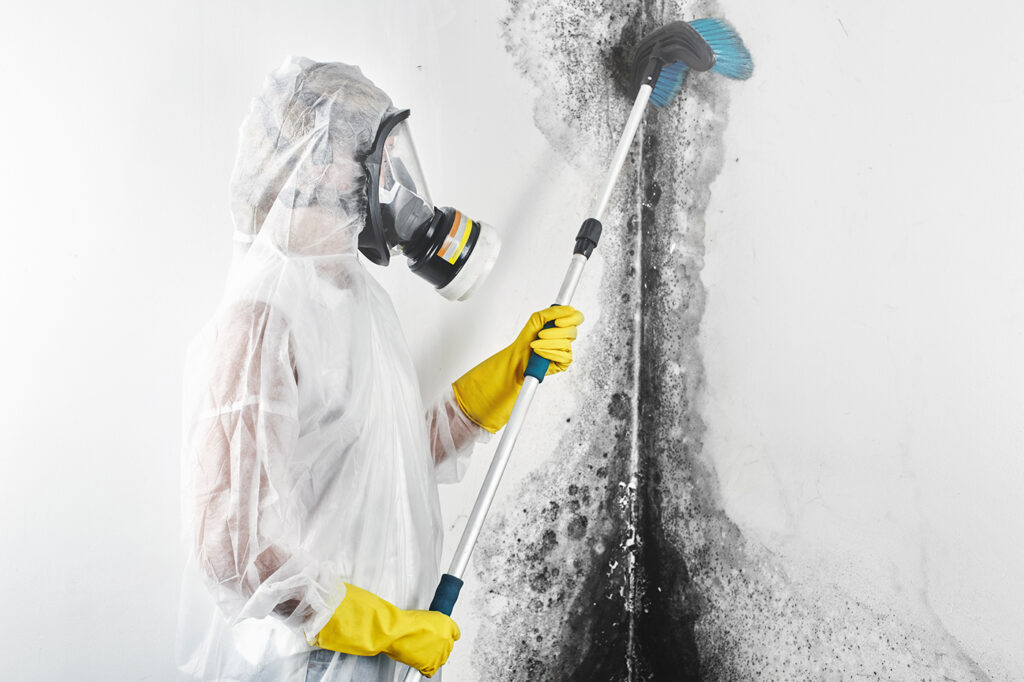
Before starting, gather the necessary protective gear, such as rubber gloves, goggles, and a respirator or mask to avoid inhaling mold spores. Also, have a scrub brush, cleaning cloths, and a plastic sheet or drop cloth to cover surfaces and contain the mold.
2. Prepare the cleaning solution
Mix a solution of one part bleach and three parts water in a bucket or spray bottle. Alternatively, you can use a borax solution, undiluted white vinegar, or any of the other household alternatives listed above that are effective natural mold removers.
3. Apply the solution
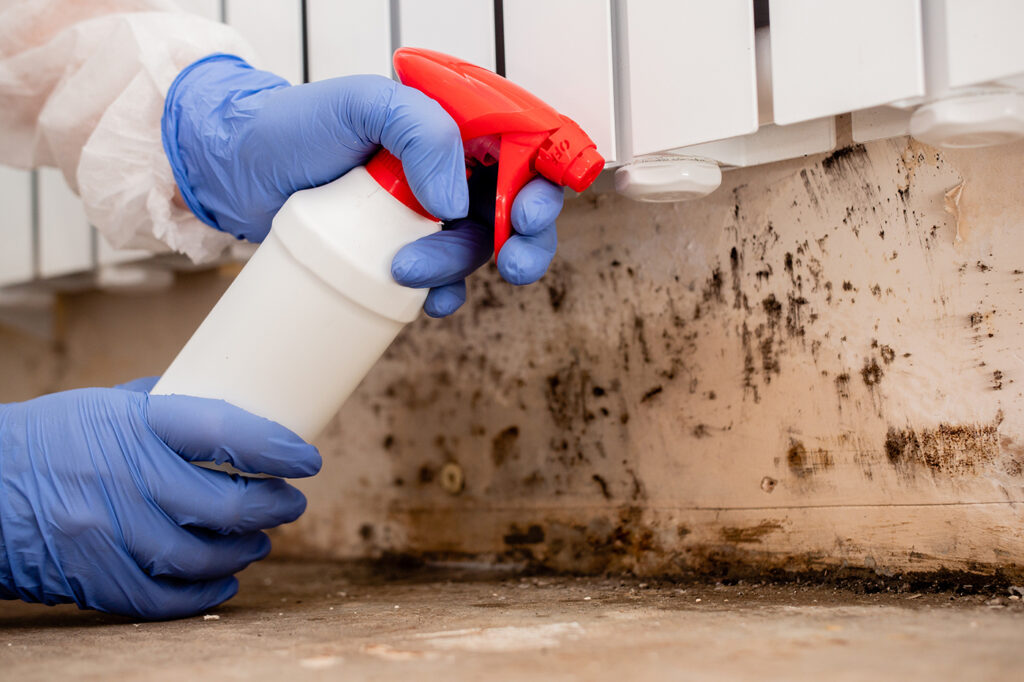
Generously apply the cleaning solution to the affected area, ensuring it saturates the mold growth. Allow it to sit for 10-15 minutes to penetrate and kill the mold spores.
4. Scrub and wipe
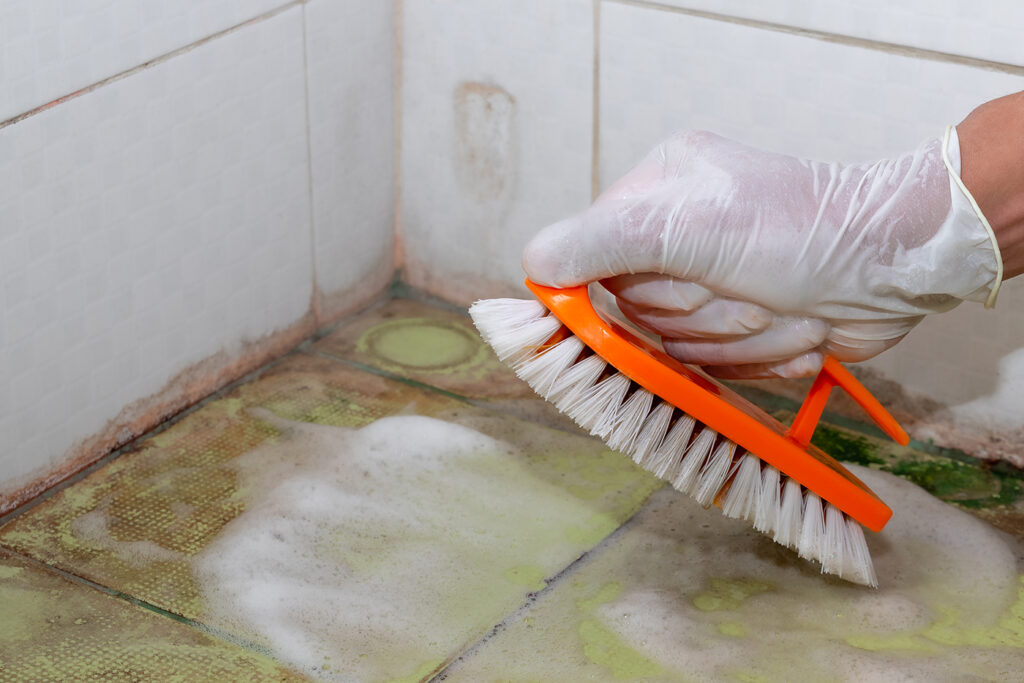
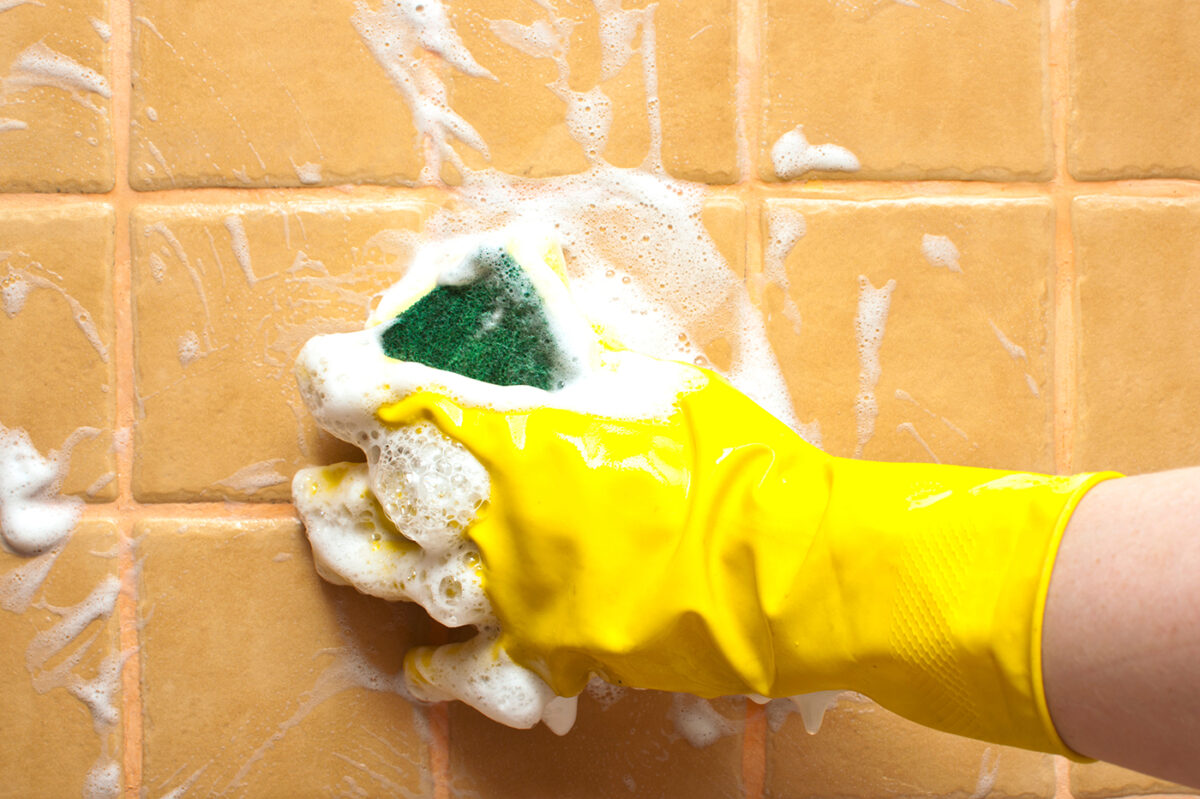
Using the scrub brush, vigorously scrub the moldy areas to remove as much growth as possible. Wipe away any remaining residue with clean cloths or paper towels.
5. Rinse and dry
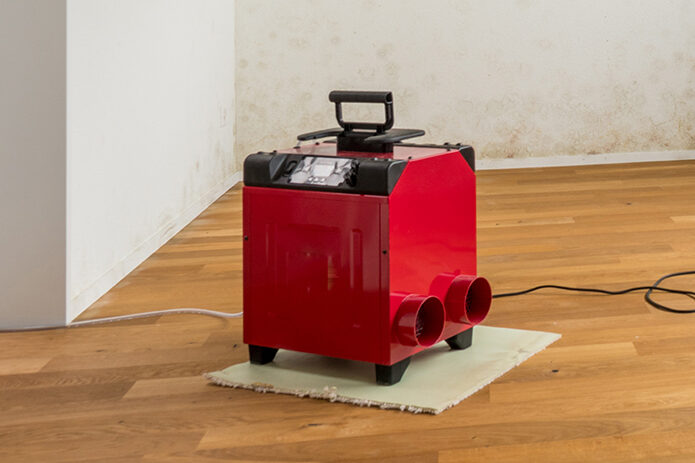
Thoroughly rinse the area with clean water to remove any remaining cleaning solution or mold particles. Use fans or dehumidifiers to ensure the area dries completely, as moisture can lead to mold regrowth.
6. Treat and prevent
Once dry, apply a borate-based solution or mold-resistant primer to prevent future mold growth. Fix any moisture issues, such as leaks or poor ventilation, to stop mold from returning.
If the mold growth covers an area larger than 10 square feet, seek professional mold remediation services. Extensive mold infestations can pose health risks and may require specialized equipment for safe removal.
Want to know more? Read about these important cleaning scenarios you might not have considered.
How to prevent mold in your bathroom ceiling
Preventing mold growth in your bathroom ceiling is important to maintaining a healthy living environment and avoiding costly repairs. By controlling moisture levels and improving ventilation, you can significantly reduce the risk of mold infestation.
1. Control humidity levels
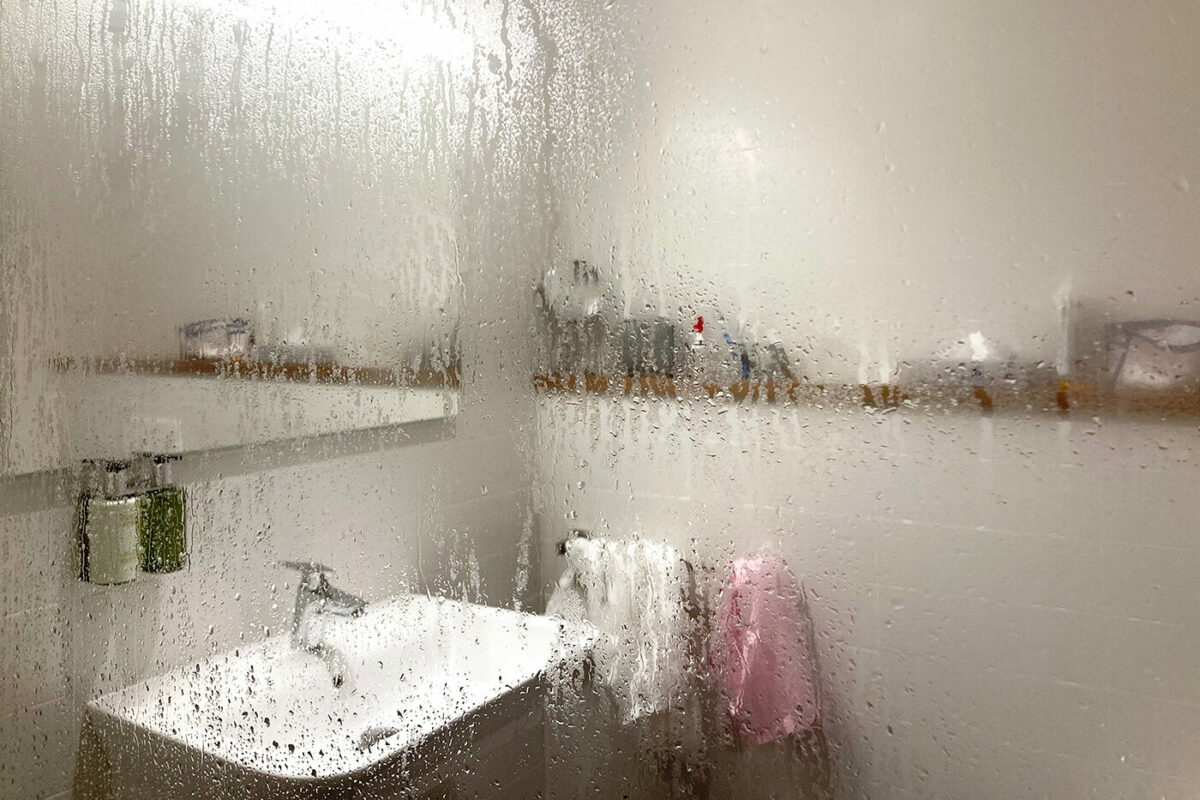
Control humidity with these essential steps:
Use exhaust fans: Run during and after showers to remove moisture
Improve airflow: Open windows or install circulating fans
Keep surfaces dry: Regularly clean and dry shower areas, towels, and rugs
2. Invest in dehumidifiers and mold-resistant materials
For high-humidity environments, consider these upgrades:
Dehumidifiers: Essential for windowless bathrooms or humid climates
Mold-resistant materials: Anti-mold paint and ceiling cladding prevent growth on porous surfaces
3. Address underlying issues
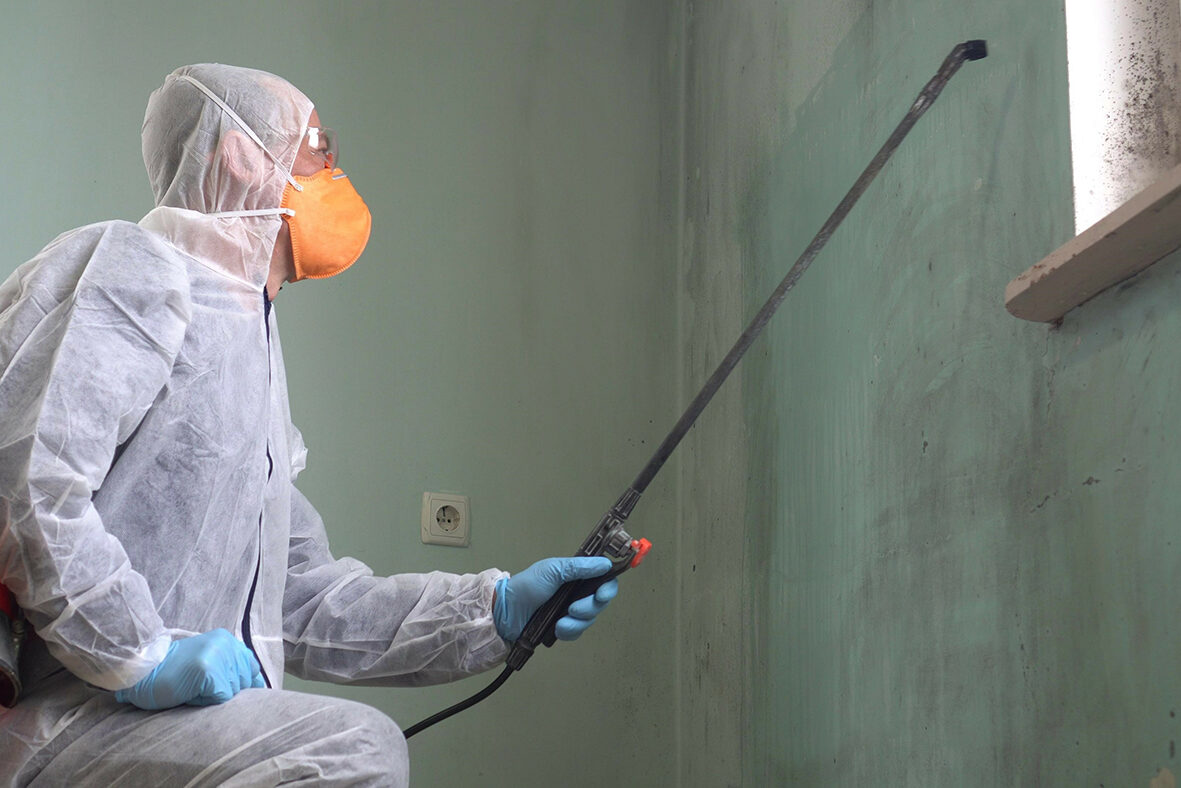
Despite your best efforts, mold may persist or recur, especially with underlying issues such as water leaks or poor ventilation. If you find yourself struggling with a persistent mold problem, it’s advisable to seek professional assistance.
When to call professionals for mold removal
Tackling a small patch of mold can feel like a DIY victory. But sometimes, the problem is bigger than it looks.
Knowing when to trade your spray bottle for your phone is key to protecting your home and your health. Consider calling in a pro if:
The mold covers an area larger than 10 square feet (about a 3×3 foot patch).
The mold comes back no matter how many times you clean it. This usually means there’s a hidden moisture source, like a slow leak, that needs fixing.
You or someone in your home starts experiencing respiratory issues, headaches, or allergic reactions.
The mold is on a porous surface like drywall, wood, or insulation and appears to have penetrated deep into the material.
A Tasker can help with removal and identify the underlying cause. This ensures that once the mold is gone, it stays gone.
Keep your bathroom mold-free with skilled help
There’s nothing quite like the satisfaction of looking up at a sparkling clean, mold-free ceiling. You did it. But keeping it that way is an ongoing task in the battle against humidity.
Life gets busy, and sometimes you need an assist to stay on top of home maintenance.
Whether it’s setting up a recurring deep clean to keep spores at bay or fixing that leaky pipe, a little help goes a long way. When your to-do list feels longer than your day, you can book trusted help for home tasks.
Frequently asked questions about removing mold from bathroom ceilings
What causes mold on bathroom ceilings?
Bathroom ceiling mold grows due to excess moisture, poor ventilation, warm temperatures, and water leaks. Limited sunlight allows humidity to accumulate and condense on surfaces.
The leading causes of mold growth on bathroom ceilings are:
Excess moisture: Bathrooms produce moisture from sinks, showers, and baths. Without proper ventilation, it condenses on surfaces, promoting mold growth.
Poor ventilation: Inadequate airflow traps humidity, causing condensation on ceilings.
Warm temperature: Mold thrives in the warm environment of bathrooms and is exacerbated by showers and baths.
Leaks: Pipe, window, or roof leaks add moisture, creating damp conditions for mold.
Lack of sunlight: Limited natural light slows drying, allowing moisture to linger and mold to develop.
Addressing these causes by improving ventilation, fixing leaks, and maintaining a consistent cleaning routine can help prevent mold growth on your bathroom ceiling.
What health risks can mold cause?
Common health effects of mold include:
Respiratory issues: Asthma attacks, coughing, and breathing difficulties
Allergic reactions: Sneezing, runny nose, and skin irritation
Infections: Particularly dangerous for immunocompromised individuals
What kills mold permanently?
Permanent mold removal requires eliminating moisture sources through leak repairs, improved ventilation, and keeping surfaces dry. Cleaning solutions alone won’t prevent mold from returning.
Last updated on March 31, 2026 by Grace Branscome