Planning a garden this spring but don’t know where to start? Check out these nine tips for beginner gardeners!
1. Start small with your garden size
Start with 100 square feet or smaller for your first garden. This manageable size prevents overwhelm while you learn the basics. You can always expand next season with more ambitious indoor and outdoor garden ideas once you’ve mastered the fundamentals.
In need of a raised bed to garden in? Hire a Tasker to build one or repair an old one. If you go with wood, waterproofing the wood will help it last through many growing seasons.
2. Choose the right location for your garden
Choosing where to plant is an essential part of growing vegetables. You’ll want to consider a few factors when choosing where to plant your garden:
Select somewhere that gets at least six hours of direct sunlight each day.
Ensure you plant somewhere with good drainage, with good soil (see section on soil below).
Choose an area with enough space for your plants to grow.
Use an area that is sheltered from strong winds.
Additionally, make sure the area you select is aesthetically pleasing and in a sensible spot. It’s important choose an area free of weeds (which Taskers can help with).
3. Decide what to grow in your first garden

Deciding what to grow is the next (and most important) step as a beginning gardener. Do some research on what grows well in your climate and what might be useful for you to grow. Some common plants for beginner gardeners include:
Tomatoes
Herbs (like cilantro and parsley)
Zucchini
Onions
Beets
Kale
Green beans
Peas
You want to ensure that you’re selecting vegetables that you’ll actually use—don’t grow a salad you’re not willing to eat! Choose veggies you and your family love so you can fully enjoy the experience of gardening from start to finish.
4. Find out when to plant
Planting timing varies by location and crop type. Here’s a general US timeline:
Hardy vegetables: March-April for broccoli, kale, and cabbage when soil warms
Heat-sensitive crops: Start tomatoes and peppers indoors for a head start
Fast growers: Plant onions and herbs March-April through June-July
For best results, consult a planting guide relevant to your region. You can try the Old Farmer’s Almanac (or consult with a knowledgeable Tasker!)
5. Use the right soil
Soil is a crucial component of any garden. Here are some key tips to ensure you’ve got great soil for planting:
Determine if you’ll be planting directly in your yard or in a raised bed.
If using a raised bed, you’ll need to purchase soil.
Ensure your soil has no rocks or other large particles.
Use compost and a layer of mulch in your garden to make sure your soil is nutrient rich and retains moisture.
Be sure that your soil isn’t too heavy on sand or clay.
Make sure your soil is loose enough for plants to take root.
Following these tips will help ensure your starting soil is healthy and full of life. And if you have leftover containers from previous seasons, that potting soil may still be reusable.
6. Choose whether you’ll plant from seed or transplant
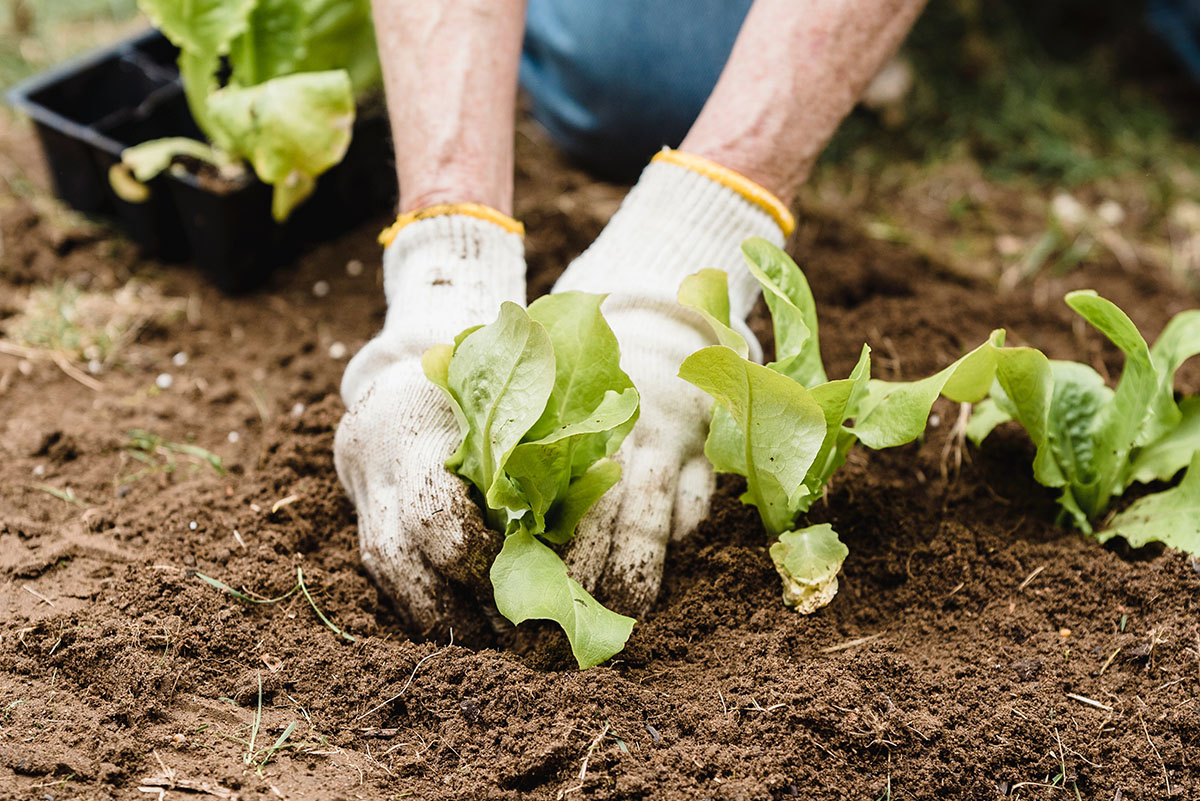
Should you start from seed or transplant? The simple answer is that it’s easier to start from a transplant (an already growing plant) rather than seed. Growing from seed has more risk associated with it, because seeds are more susceptible to environmental hazards. Either way, understanding how to plant and care for them properly will give your garden the best shot.
7. Gather essential gardening tools and supplies
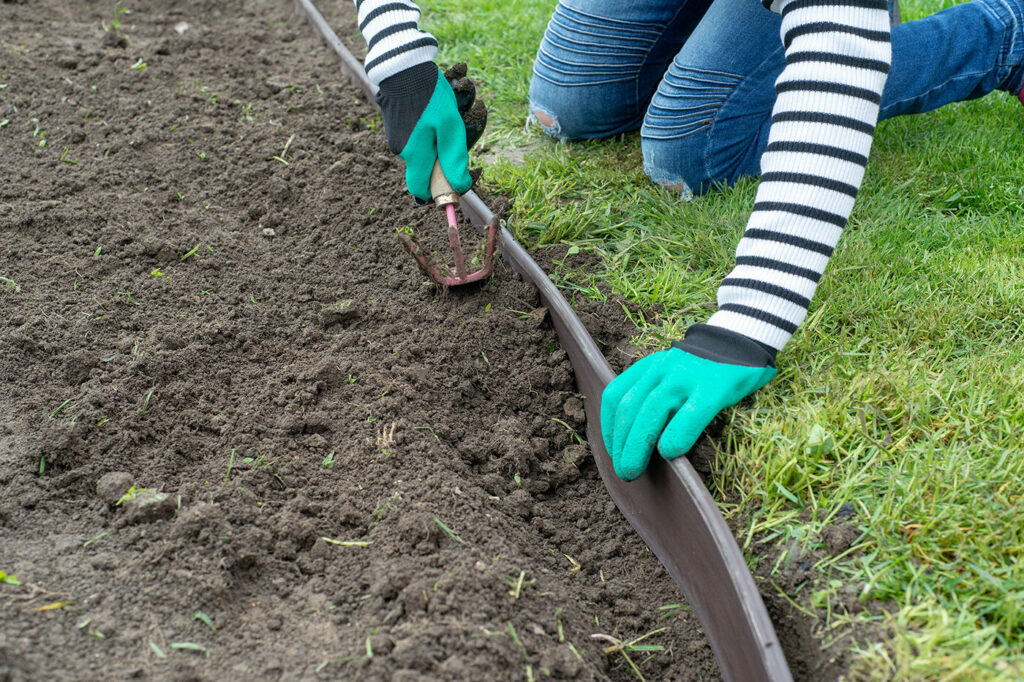
Five essential tools will get your garden started without breaking the budget. Focus on these basics first:
Gardening gloves to protect your hands
A hand trowel for digging small holes
A watering can or a hose with a gentle spray nozzle
Good quality soil and compost to give your plants the best start
The plants themselves, whether you choose seeds or small starter plants
If the thought of assembling a new garden cart or even just hauling bags of soil feels like a task in itself, a skilled Tasker can help with shopping, delivery, and light assembly to get you set up.
8. Get prepared to water consistently
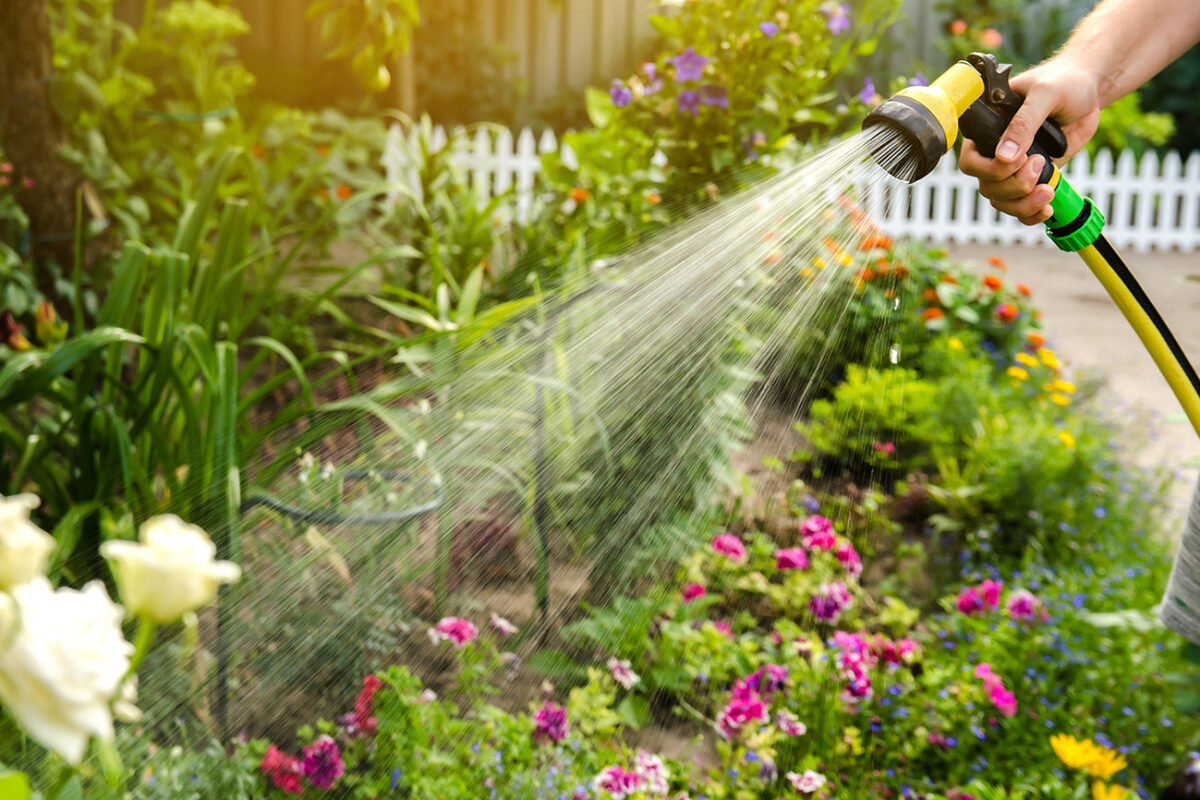
And last but certainly not least, make sure you have a way to water your plants close to your new garden! Ideally, a garden hose located adjacent to your garden is what you’ll use, but a watering can also works. If you’re in need of garden hose installation, consider hiring a Tasker to help out!
Keep your plants on a regular watering schedule, and make sure the soil is always damp (but not soaked). Different plants require different watering regimes, so it might be helpful to consult a guide.
9. Prepare for common garden pests
Pests are an annoying aspect of growing plants but are important to be aware of. Watch for telltale signs like leaves turning yellow, which can signal pest damage or nutrient issues. Some common garden pests include:
Aphids
Beetles
Slugs
Moths
Mosquitos
Flies
Caterpillars
Fungi
Prevention beats treatment every time:
Physical barriers: Use row covers or insect mesh to block pests
Companion planting: Grow strong-scented herbs like garlic and coriander as natural deterrents, and keep the surrounding area free of weeds that compete for nutrients
Avoid chemicals: Pesticides can harm beneficial insects and your health
Get growing with help from Taskers
Feeling ready to start growing vegetables? Fantastic! We wish you the best of luck with your new garden. However, if you’re thinking that starting a garden may be too daunting a task (or will take too much time), then consider hiring a Tasker to do the bulk of the work! Taskers are experienced, offer affordable gardening rates, and are ready to help with all of your needs.
Don’t do it all on your own. Just task!
Frequently asked questions about starting a garden
What’s the first thing you should do when starting a garden?
Make a simple plan before touching any dirt. Observe your chosen spot’s sunlight for a full day and decide what you want to grow.
What’s the most common mistake first-time gardeners make?
Starting too big is the number one beginner mistake. Begin with a small plot or containers to avoid feeling overwhelmed with maintenance.
How much does it cost to start a garden?
Starting costs range from $20-200+ depending on size:
Container garden: $20-50 for pots, soil, and seeds
Small in-ground plot: $50-150 for tools, soil amendments, and plants
When is the best time of year to start a garden?
Spring is ideal for most gardens, but timing depends on your location and crops. Check your local last frost date and plant cool-season crops 2-4 weeks before, warm-season crops 2+ weeks after.
Last updated on April 16, 2026 by Grace Branscome