When winter arrives and snow starts piling up, having the right tools makes all the difference between a quick cleanup and an hours-long battle with Mother Nature. While snow removal might seem straightforward—grab a shovel and start digging—choosing and using the right tools can save your back, your time, and maybe even your sanity.
Whether you’re facing light powder or heavy, wet snow that feels like shoveling concrete, understanding your options helps you work smarter, not harder. From traditional shovels to specialized ice scrapers, we’ll walk you through the essential tools, how to choose what’s right for your property, and the techniques that keep you safe while clearing snow. Plus, you’ll get the inside scoop on when it might be time to put down the shovel and call for professional help instead.
Snow Shoveling and Scraping Tools
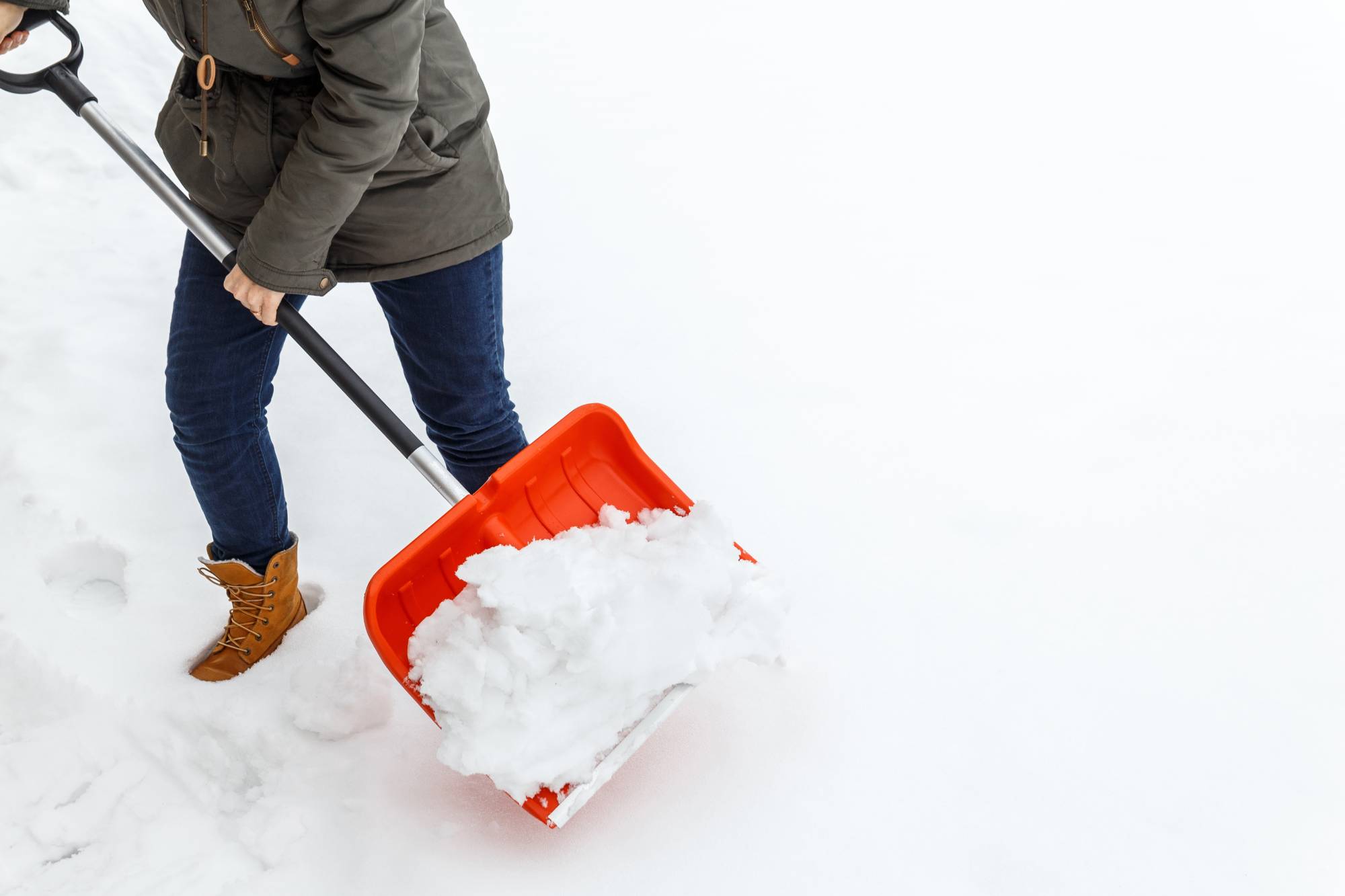
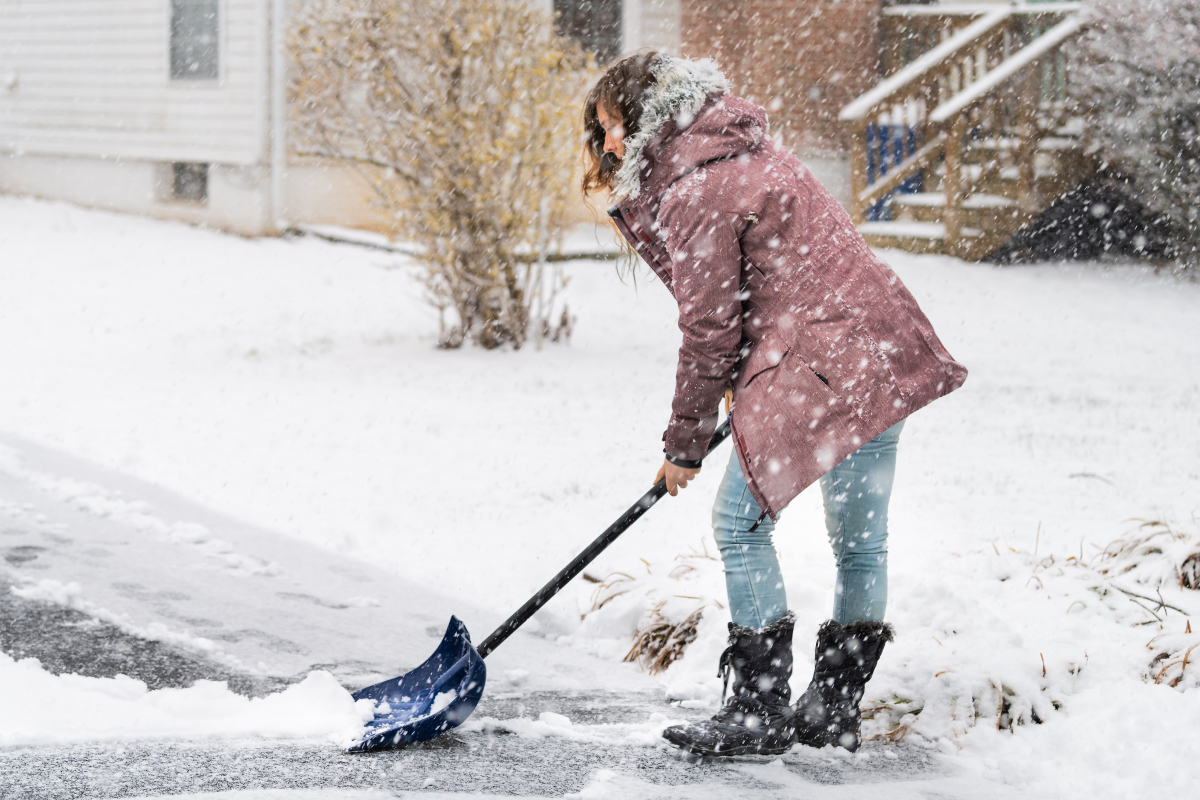
The main types of snow removal tools include traditional shovels, snow pushers, combo shovels, roof rakes, and ice scrapers. Each tool serves a specific purpose depending on your snow conditions and property layout.
- Traditional shovel: Features an 18-24 inch flat blade for scooping, lifting, and tossing snow
- Snow pusher: Wide, curved blade like a mini snow plow, perfect for quickly clearing flat surfaces and driveways
- Combo shovel: Combines traditional shovel design with side edges for containment, allowing both pushing and scooping
- Roof rake: Long-handled tool for clearing snow from rooftops to prevent structural damage and leaks
- Ice scrapers: Feature a sharp 7-8 inch steel blade for breaking through ice and packed snow on driveways and walkways
Choosing the Right Tools for Your Needs
Staring at a wall of shovels and feeling lost? We get it. Choosing the right tool isn’t about finding the “best” one—it’s about finding the best one for you. Here’s how to decide:
- Consider your space: A long, wide driveway is a job for a wide snow pusher to clear paths quickly. A small porch or narrow walkway? A traditional shovel offers more precision for scooping and tossing snow into a pile.
- Know your snow: Light, fluffy powder is easy to push. But for wet, heavy snow, you’ll need a sturdy combo or traditional shovel that can handle the weight without you breaking your back.
- Think about ice: If you live somewhere that gets a lot of ice or hard-packed snow, an ice scraper is non-negotiable. It’s the only tool that can safely break up slippery spots on your driveway and walkways.
- Listen to your body: Many shovels now come with ergonomic, bent handles that reduce the strain on your back. If you’re prone to aches and pains, investing in an ergonomic model is a smart move.
Proper Snow Removal Techniques
As with snow plowing and snowblowing, you’ll want to decide on the best approach with a shoveling task. Whether this means finding the best piling areas for snow or using proper form when lifting heavy loads, top Taskers recommend the following:
- Shovel after the plow comes. City plows create large snowbanks that block driveways. Clear these first regardless of your tool choice.
- Pick a strategic starting point. Use a snow pusher to divide large areas into sections, then switch to a traditional shovel for tossing.
- Find the best piling area. If the yard space adjacent to the main shoveling surface doesn’t have obvious piling areas for the snow, you may need to adjust your approach. Consider where the snow will drain best upon melting, and choose a spot that won’t pool or cause property damage.
- Don’t forget porches, decks, and pathways. You may need to exit your home via deck or porch doors, so it’s important to include these areas while shoveling. Traditional shovels are often best for this, as they allow the most flexibility when navigating uneven surfaces or tight corners.
- Lift with proper form. Snow can be heavy, especially in warmer temperatures. To lift safely, bend your knees while hinging at your hips and keeping your back flat. Lift with your legs, and use the momentum to help toss the snow forward. Avoid throwing it over your back, as this can stress your spine.
- Stay hydrated. As previously mentioned, shoveling can be a great workout. Such exertion requires water, so if your task is substantial, pace yourself, and take regular breaks to avoid dehydration.
- Cautiously clear the roof. If you want to shed some of your rooftop’s winter weight, you can use a snow rake to clear all reachable areas. If a ladder becomes necessary, make sure it’s 100% stable before climbing.
Of course, the easiest snow removal happens when you’ve done a little prep work before the storm even hits. Taking time to clear obstacles, mark boundaries, and stock up on supplies can make cleanup go much faster. Check out our snow prep checklist to get ahead of the next winter storm.
When to Call for Professional Help
Even with the right tools, sometimes a winter storm is just too much to handle. Maybe the snow is piling up faster than you can shovel, you’re worried about straining your back, or you’d simply rather spend your morning with a warm cup of coffee than a cold shovel. That’s when you know it’s time to call for backup.
Sometimes the best snow removal tool is someone else’s. If your to-do list is already a blizzard, you can book trusted help for home tasks and let a skilled Tasker handle the heavy lifting, so you can stay warm and safe inside.
Frequently Asked Questions About Snow Shoveling and Scraping
What is the best tool for snow removal?
The best tool depends on your situation: snow pushers for light snow on flat areas, traditional shovels for heavy snow, and ice scrapers for ice removal.
How do I choose tools for my property size?
Use traditional shovels for small spaces, combo shovels for single-car driveways, and wide snow pushers for large or multi-car driveways.
What’s the difference between snow scoops and traditional shovels?
Traditional shovels have flat blades for lifting, while snow scoops have deeper blades with higher sides to hold more snow without spillage.
Can I remove snow without traditional shoveling?
For light, fresh snow (a few inches or less), you can often use a sturdy outdoor push broom. For larger jobs, a snow blower is a popular alternative to shoveling. If you don’t own one, you can hire a Tasker who does. For icy patches, applying salt or ice melt is a non-shoveling solution that works well in combination with scraping.
Last updated on January 22, 2026 by Grace Branscome