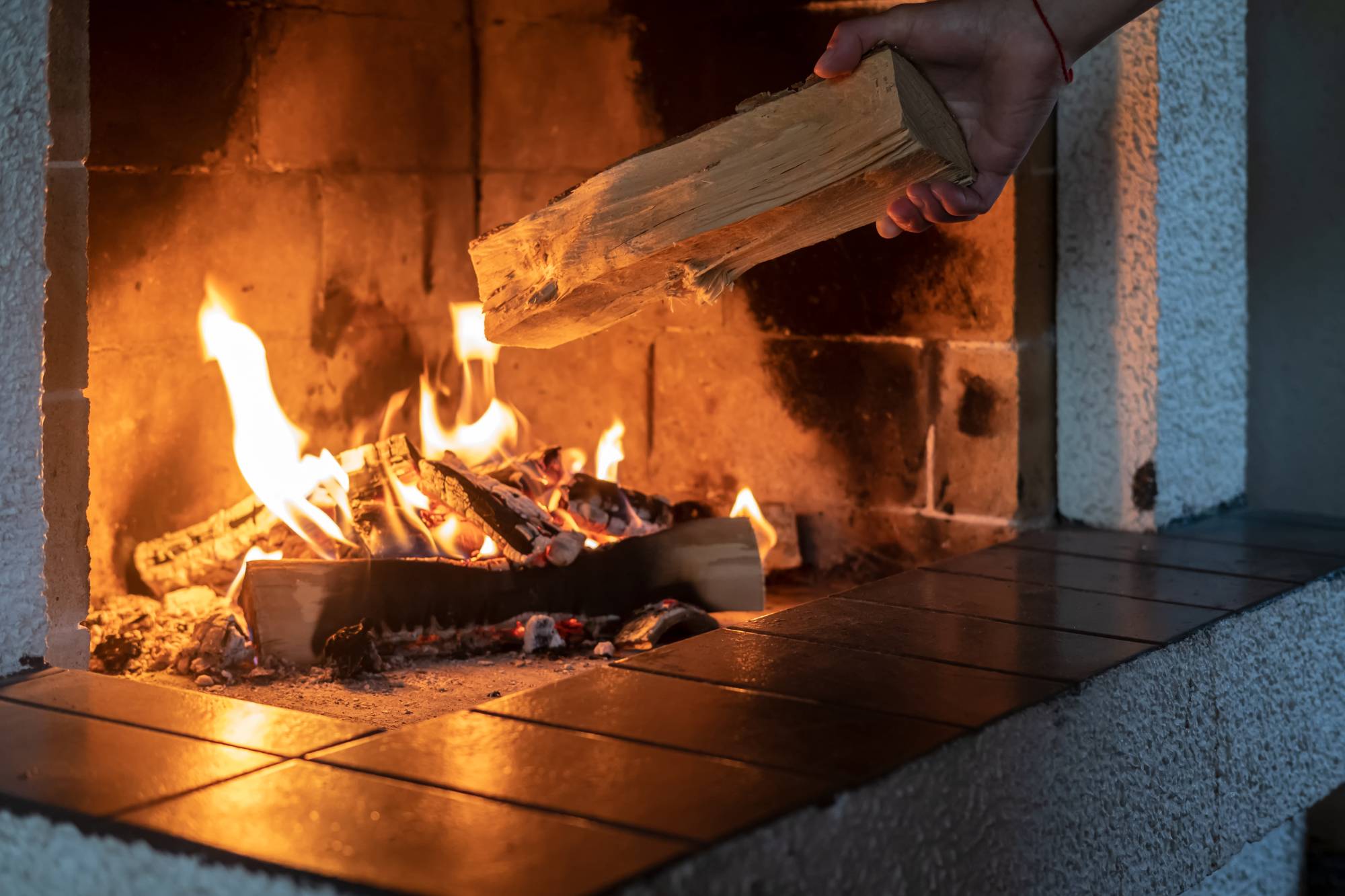
There is nothing quite like flipping a switch on a chilly evening and enjoying the instant warmth of a fire. While gas fireplaces are often praised for being lower maintenance than wood-burning models, “low maintenance” doesn’t mean “no maintenance.”
To keep your home safe and your energy bills low, regular care is essential. This guide covers why upkeep matters, what you can safely handle, and how to tell when it’s time to call in a professional.
Do Gas Fireplaces Need Maintenance?
Yes, gas fireplaces absolutely need regular maintenance. While they don’t require daily log hauling or ash clean-out, they still involve gas lines, ignition systems, and combustion processes that need occasional attention. Neglecting maintenance for your gas fireplace can lead to poor performance, safety hazards like carbon monoxide exposure, and costly repairs down the road.
Why Does Gas Fireplace Maintenance Matter?
Keeping up with your gas fireplace’s care is about more than just a flickering flame. It’s crucial for safety, performance, and the longevity of your unit.
- Safety: The primary concern with gas appliances is safety. Regular maintenance helps prevent gas leaks, ensures proper venting to avoid carbon monoxide (CO) buildup, and checks for any blockages that could pose fire hazards.
- Performance: A well-maintained gas fireplace operates more efficiently, providing consistent heat and a strong, appealing flame. Neglect can lead to weak flames, uneven heating, or issues with ignition, making your cozy evening less enjoyable.
- Cost: When your gas fireplace is performing efficiently, it can also keep your energy bills low. When components are dirty or neglected, the unit has to work harder to produce heat, which can lead to higher gas consumption and eventually result in costly repairs down the road
- Longevity: Routine checks and cleaning reduce wear and tear on crucial components like burners, the pilot light, and the ignition system. This can extend the life of your fireplace, saving you money on early replacements or major repairs.
Maintenance Homeowners Can Safely Do Themselves
Some aspects of gas fireplace maintenance are simple, straightforward tasks that you can safely do yourself, helping to keep your unit looking good and running smoothly. Always remember to turn off both the gas supply and electrical power to your fireplace before starting any cleaning or inspection.
Here are a few things you can handle:
- Clean the glass: Once the fireplace is completely cool, you can clean the inside of the glass with a specialized gas fireplace glass cleaner or a damp cloth to remove any soot or film.
- Dust and vacuum accessible areas: Use a soft brush or a vacuum with a brush attachment to remove dust, cobwebs, and debris from the exterior, vents, and any accessible, non-gas components inside the fireplace.
- Check and replace batteries: Inspect the batteries in your remote control, receiver, or wall switch, replacing them annually or when performance declines.
- Perform visual inspections: Look for any obvious blockages in the exterior vent, check that ceramic logs or rocks are positioned correctly (according to your manufacturer’s manual), and ensure there are no visible obstructions or signs of damage.
Even these simple tasks can be time-consuming or physically awkward. If you want help with cleaning or prep work around your gas fireplace, a trusted Tasker can lend a hand.

Maintenance to Consult With a Professional On
While some tasks are homeowner-friendly, many critical maintenance items for a gas fireplace require the expertise of a certified professional. These are not DIY projects and should always be handled by someone trained in gas appliance service.
You should always call a professional for:
- Gas pressure testing and leak detection: Professionals use specialized tools to check for gas leaks and ensure the gas pressure is correct for safe operation.
- Ignition system repairs: Troubleshooting and repairing pilot lights, igniters, or thermocouples involve working with sensitive gas components.
- Internal component servicing: This includes cleaning or adjusting burners, gas valves, and internal wiring.
- Vent system inspection beyond visible exterior: A professional can thoroughly inspect the entire venting system, including hidden sections, for blockages, cracks, or corrosion.
Signs Your Gas Fireplace Needs Service
Knowing when to call a professional can save you headaches and ensure your home’s safety. Pay attention to these common indicators that your gas fireplace needs professional service:
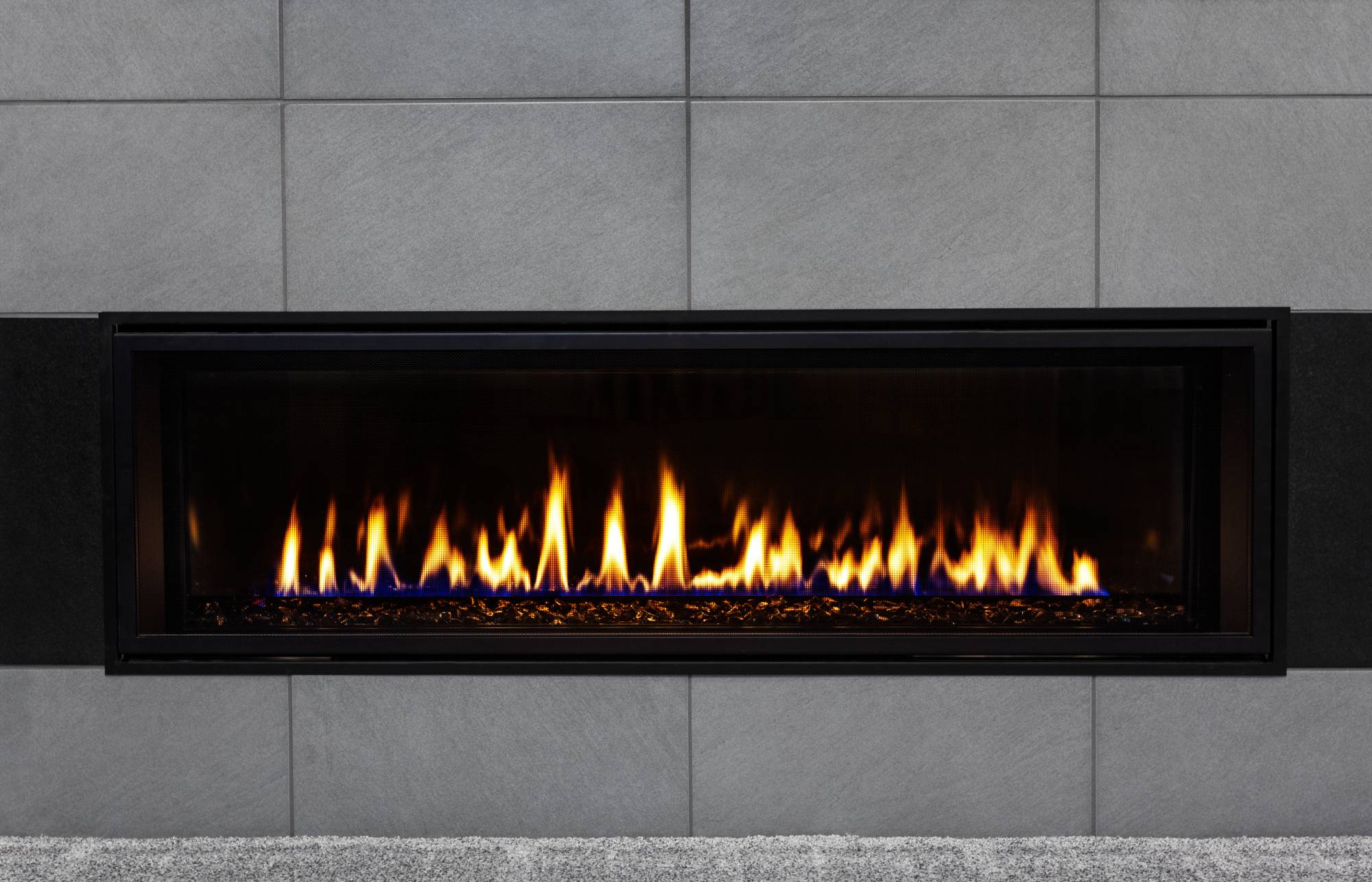
- Yellow or irregular flames: Healthy gas flames are typically blue with small yellow tips. If your flames are predominantly yellow, orange, or appear lazy and wispy, it can indicate improper combustion.
- Soot buildup on glass or logs: Excessive soot is a sign of incomplete combustion and can be a serious safety concern.
- Strange odors: While a slight odor might occur when turning on a fireplace after a long period, persistent gas smells (like rotten eggs) or unusual burning smells are red flags.
- Trouble igniting or staying lit: If your fireplace is difficult to start, repeatedly shuts off, or the pilot light keeps going out, it’s time for a professional check-up.
If you notice any of these signs, stop using your fireplace immediately and contact a qualified technician.

How Often Should a Gas Fireplace Be Maintained?
Consistency is key when it comes to maintaining your gas fireplace. While some tasks can be done as needed, others have a recommended annual schedule.
It’s generally recommended that you:
- Schedule a professional inspection once a year: Ideally, this should happen in late summer or early fall, before you start regularly using your fireplace for the colder months. This allows time for any necessary repairs before you truly need the heat.
- Perform DIY cleaning and visual checks as needed: This might mean cleaning the glass every few weeks during heavy use, or dusting quarterly.
Gas Fireplace Maintenance Safety Tips
Your safety is paramount when dealing with any gas appliance. Here are a few essential safety reminders:
- Never modify gas components yourself: This can be extremely dangerous and should only be handled by a certified technician.
- Always follow your manufacturer’s manual: It contains specific instructions and warnings unique to your fireplace model.
- Test your carbon monoxide detectors regularly: CO is an odorless, colorless gas, so a working detector is your best protection.
- When in doubt, stop and call a professional: It’s always better to be safe than sorry when it comes to gas appliances.
Make Gas Fireplace Maintenance Easier With Taskrabbit
Maintaining a gas fireplace involves a mix of light upkeep and technical inspections. We understand that even simple cleaning can be hard to fit into a busy schedule.
That’s where Taskrabbit comes in. While many homeowners use Taskers for general handyman or prep work—like deep cleaning glass or vacuuming vents—you may also hire Taskers who hold specific professional licenses or certifications.
If you are looking for a Tasker to handle more technical repairs that require licensure or certification, we encourage you to confirm requirements by:
- Reviewing Tasker bios: Many professionals list their specific certifications and trade experience directly on their profiles.
- Using the chat feature: Discuss your specific fireplace model and safety requirements with your Tasker before the job begins to ensure they have the right expertise for your needs.
Find a Tasker today to help with your fireplace maintenance, so you can spend your weekend relaxing by the flames.
Last updated on January 14, 2026 by Grace Branscome