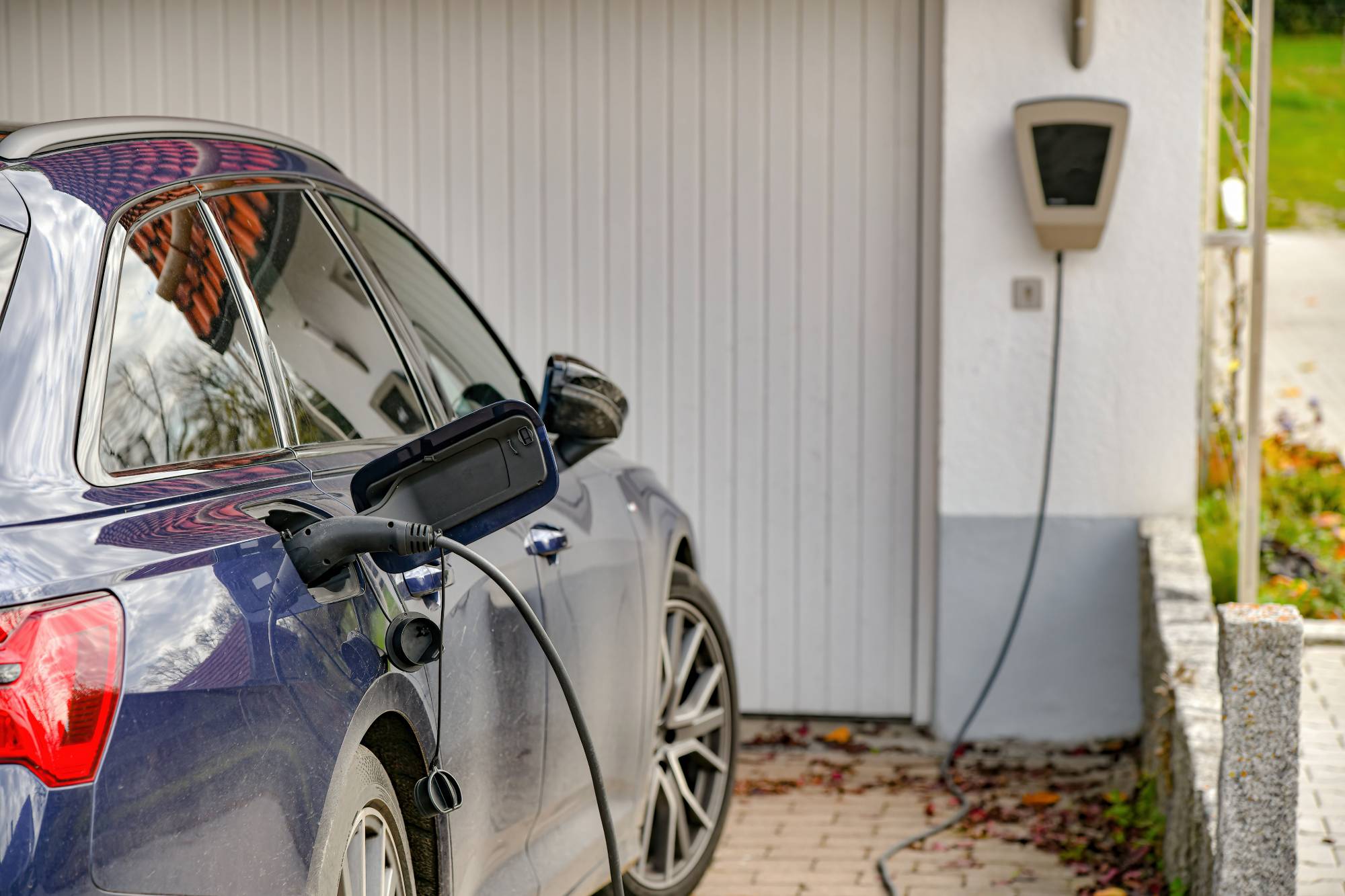

Understanding EV charging levels is key to a smooth electric vehicle experience. These levels categorize how much power an EV charger delivers, directly impacting how quickly your car’s battery gets filled, where you can charge, and the convenience each method offers. Let’s break down what each level means and why it matters for you.
What is Level 1 EV Charging?
Level 1 EV charging uses a standard household outlet, making it the simplest and most accessible option for new electric vehicle owners. It plugs into a typical 120-volt wall socket, just like many of your home appliances.
With Level 1 charging, you can expect to add about three to five miles of range to your EV per hour. This speed makes it best suited for:
- Overnight topping up for drivers with short daily commutes
- Drivers with very light daily driving needs, who can charge consistently for many hours
- Emergencies or occasional use when no other charging option is available
However, Level 1 charging often falls short for:
- Daily commutes over approximately thirty miles
- Households with multiple EVs
- Drivers who cannot charge their vehicle overnight consistently
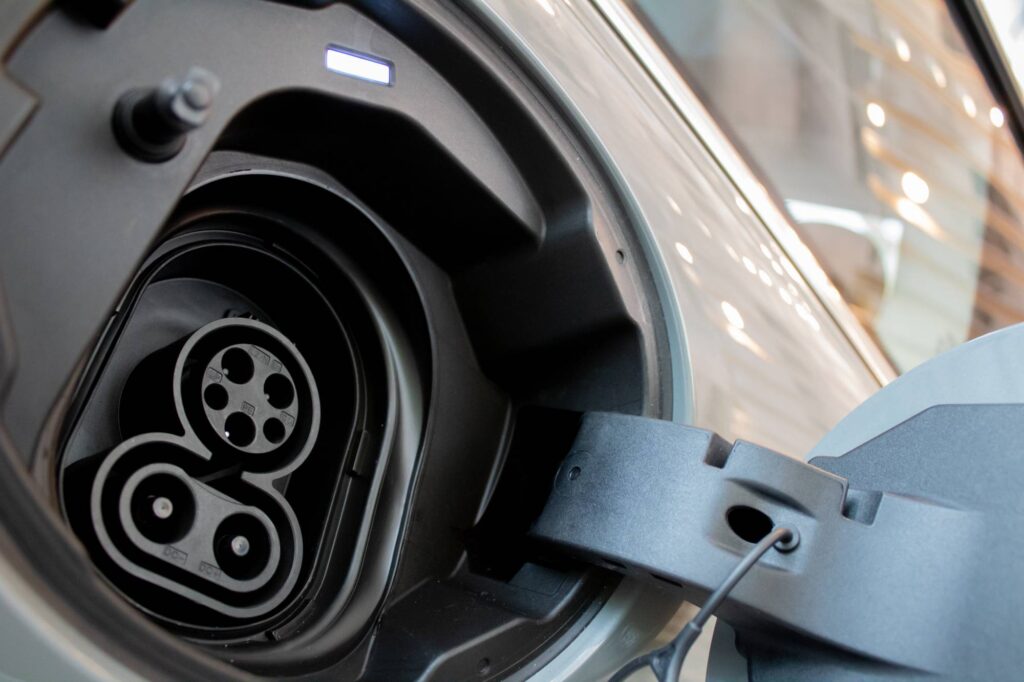
Pros and Cons of a Level 1 EV Charger
Level 1 charging is easy to start with, but it has some important trade-offs.
Pros of Level 1 EV charging include:
- No installation is required; you simply plug it into a standard household outlet
- Uses a common, existing 120-volt household outlet
- It has the lowest upfront cost, as it typically comes with your EV or is very inexpensive to purchase
Cons of Level 1 EV charging include:
- Very slow charging speeds, which can lead to “range anxiety” for active drivers
- Not practical for long commutes, frequent driving, or multiple drivers sharing an EV
- Can potentially strain older electrical systems if used continuously for very long periods, especially if the circuit is shared with other heavy-use appliances
What is Level 2 EV Charging?
Level 2 EV charging is the most common and practical charging solution for most electric vehicle owners, especially for home use. It requires a 240-volt power source, similar to what a clothes dryer or electric oven uses.
Depending on your car and the charger’s power level, Level 2 charging can add anywhere from ten to sixty miles of range per hour. This makes it ideal for:
- Overnight home charging for most daily commutes
- Workplace charging, allowing you to charge while you work
- Long-term EV ownership convenience and maximizing your battery life
Commonly installed in garages, on exterior home walls, or at workplaces and public parking areas, Level 2 charging requires:
- A dedicated circuit to ensure safe and efficient power delivery
- Sufficient electrical panel capacity in your home
- Often, professional installation by an electrician to ensure everything is set up correctly and safely
Level 2 is generally recommended as the default for most EV owners due to its balance of speed and convenience, making it perfect for daily commuters and consistent overnight home charging.
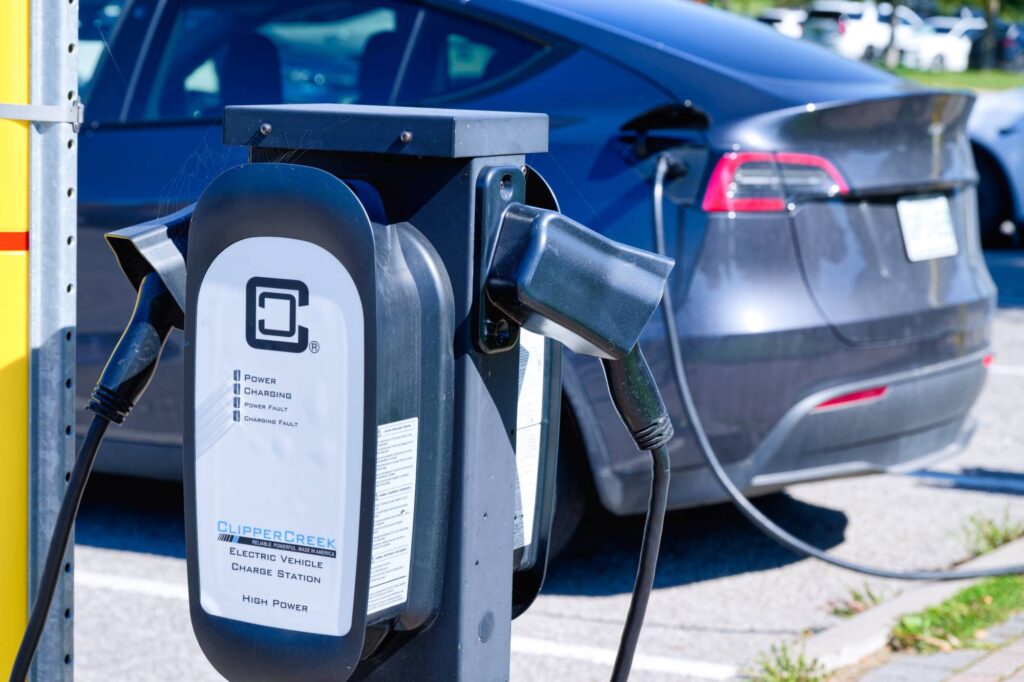
Pros and Cons of Level 2 EV Chargers
Level 2 charging offers a significant step up from Level 1, balancing speed with practicality.
Pros of Level 2 EV charging include:
- Much faster charging than Level 1, making daily charging efficient and convenient
- Ideal for daily home charging, ensuring your EV is ready each morning
- Widely compatible with most electric vehicles, using a standard J1772 connector
Cons of Level 2 EV charging include:
- Higher initial setup costs than Level 1 for the unit itself and when hiring professional installation. You can learn more about EV charger installation costs and EV rebates and incentives you may be eligible for to help offset the costs.
- Not always feasible in apartments or older homes with limited electrical panel capacity or strict building regulations.
What is Level 3 EV (DC Fast) Charging?
Level 3 EV charging, often called DC Fast Charging, is the fastest charging option available, specifically designed for quick power-ups when you’re on the go. Unlike Level 1 and Level 2, which use alternating current (AC), Level 3 chargers use direct current (DC) to deliver power much more rapidly.
These powerful chargers can typically fill an EV battery to 80 percent in as little as twenty to forty minutes, depending on your vehicle and the specific charger’s output.
You’ll typically find DC Fast Chargers:
- Along highways and interstates during long-distance travel
- At public charging hubs in urban and suburban areas
- Near shopping centers, rest stops, and other travel corridors
Level 3 charging is not designed for home use. Its high power requirements, complex infrastructure, and significant cost make it impractical for residential installation. Instead, it’s best positioned as a travel and convenience solution, supplemental to your regular Level 1 or Level 2 home charging, not a replacement.
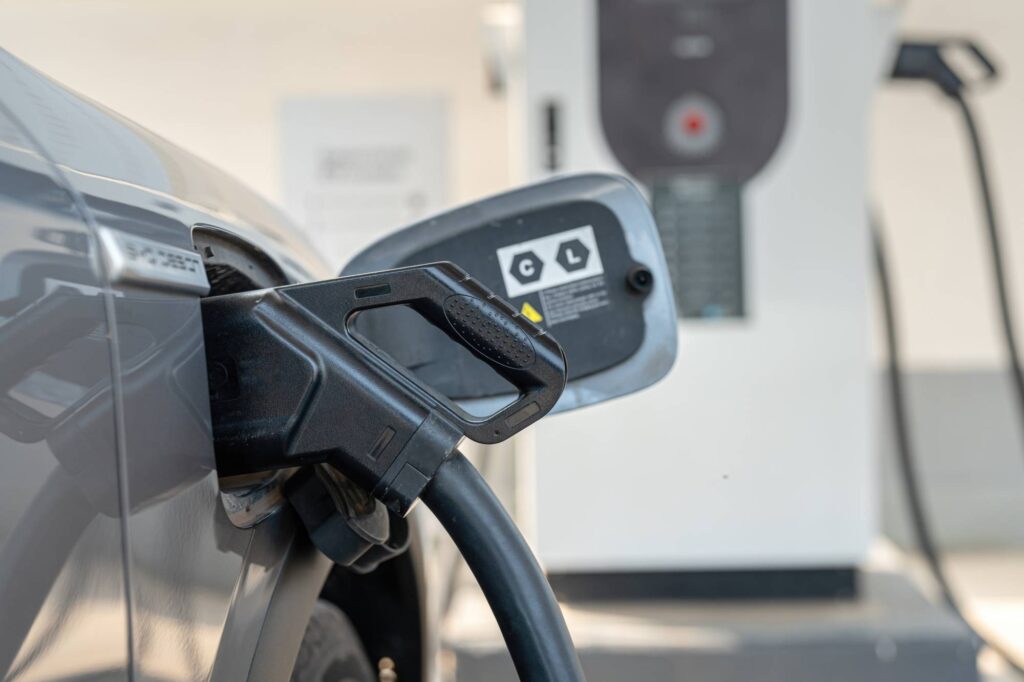
Pros and Cons of Level 3 EV Chargers
DC Fast Charging is incredibly convenient for travel but comes with its own set of considerations.
Pros of Level 3 EV charging include:
- Fastest charging option available, significantly reducing charging time on trips
- Ideal for road trips and long-distance travel, allowing for quick stops
- Widely available on highways and major routes, supporting cross-country journeys
Cons of Level 3 EV charging include:
- Not suitable for home installation due to immense power requirements and cost
- More expensive per charge compared to Level 1 or Level 2 charging
- Frequent use of DC fast charging may contribute to increased battery wear over time, though modern EVs are designed to manage this well
What are the Key Differences Between Level 1, Level 2, and Level 3 EV Chargers?
To help you quickly compare the three main EV charging levels, here’s a straightforward summary of their key differences.
| Feature | Level 1 EV Charger | Level 2 EV Charger | Level 3 (DC Fast) Charger |
| Voltage/Power | 120V AC (Standard Outlet) | 240V AC (Dedicated Circuit) | 480V+ DC (Industrial Power) |
| Charging Speed | 3–5 miles of range per hour | 10–60 miles of range per hour | 80% charge in 20–40 minutes |
| Use Case | Overnight topping off, emergency | Daily home charging, workplace, public AC | Road trips, quick public top-ups |
| Cost | Lowest upfront cost | Moderate cost | Highest cost |
| Installation | No installation | Professional installation recommended | Public infrastructure only |
How to Choose the Right EV Charging Level
Choosing the right EV charging level depends on your unique driving habits, living situation, and priorities. Consider these points when making your decision:
- Daily commute patterns: If you drive short distances (under thirty miles a day) and can charge overnight, Level 1 might suffice. For most daily drivers, Level 2 is usually the best fit for ensuring a full battery each morning.
- Home vs. apartment charging: Homeowners generally have more options for installing Level 2 chargers. Apartment dwellers might rely on Level 1, public Level 2, or workplace charging.
- Road trips vs. home charging routine: Level 3 charging is essential for road trips, but it shouldn’t be your primary charging method. Your home charging setup (Level 1 or Level 2) handles your daily needs.
Many homeowners find Level 2 charging the best balance of speed and convenience, but they often need help evaluating their home’s electrical capacity and handling the installation. That’s where Taskrabbit can help. A skilled Tasker can assist with the following electrical work:
- Assessing your home’s current electrical setup to ensure it can support a Level 2 charger
- Recommending the right charger type and placement for your specific needs
- Installing the charger safely and correctly, connecting you to efficient home charging
Always check that your Tasker has proper licensure or certification if needed when installing an EV charger.
EV Charging Levels FAQs
Can any EV use any charger?
Most electric vehicles can use Level 1 and Level 2 chargers, which typically use a standard J1772 connector. However, DC Fast Charging has different connector types (CCS, CHAdeMO, and Tesla’s proprietary connector), so your EV must be compatible with the specific Level 3 charger type available.
Will fast charging damage my EV battery?
While frequent use of DC Fast Charging can lead to slightly more battery degradation over the long term compared to slower charging, modern electric vehicles have sophisticated battery management systems to minimize this impact. It’s generally safe for occasional use on road trips, but Level 2 home charging is best for daily routines to preserve battery health.
Are all EV charging levels able to be installed at home?
Level 1 and Level 2 chargers can both be installed at home. Level 1 simply plugs into a standard 120-volt outlet. Level 2 requires a dedicated 240-volt circuit and professional installation. Level 3 (DC Fast Charging) is not suitable for residential installation due to its very high power requirements, complex infrastructure, and prohibitive cost.
Last updated on February 19, 2026 by Meghan Lalonde