
The open road is calling, and more drivers are answering with an electric vehicle (EV). EV sales surged from 1.4 million in 2023 to 1.7 million in 2024—a 21% increase! If you’ve joined the movement, you already know the thrill of a smooth, quiet ride and the satisfaction of reducing your carbon footprint.
While public charging is an option, a home charging station provides the ultimate convenience of “refueling” while you sleep. However, the upfront cost of EV charger equipment and installation can be a hurdle. Fortunately, a variety of federal, state, and local programs are designed to put money back in your pocket. If you are ready to power up your home, here are the primary incentives you should know about for 2026.
What Programs, Rebates, or Incentives Exist for At-Home EV Charger Installation?
There are several federal, state, and local programs, including tax credits and rebates, designed to help offset the cost of installing an EV charger at your home. These initiatives aim to encourage the adoption of electric vehicles and their supporting infrastructure.
Federal Tax Credit
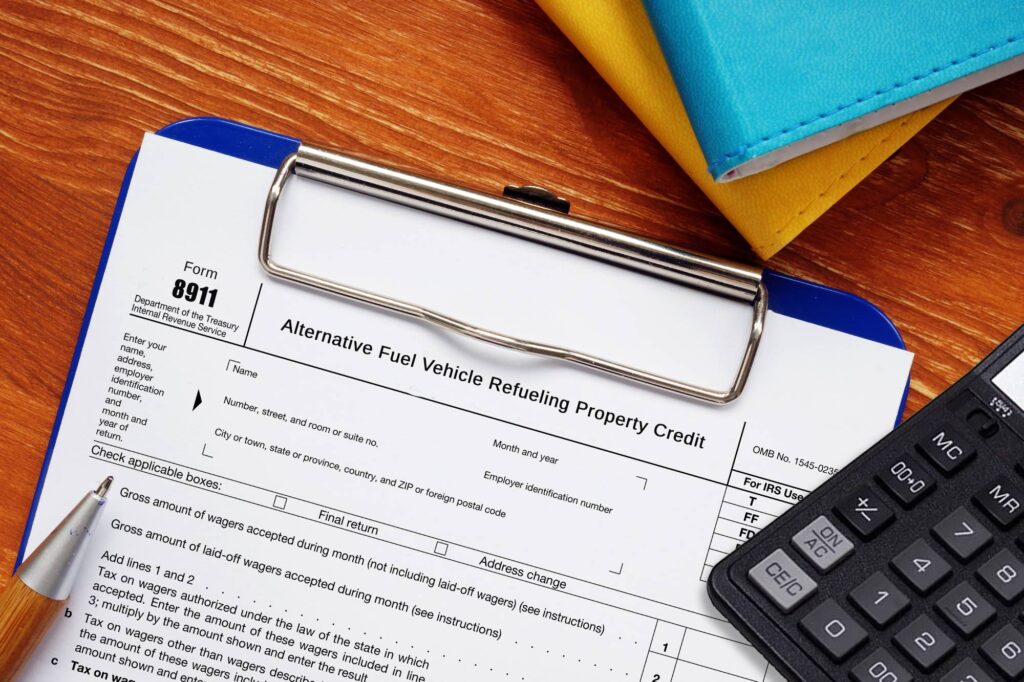
The largest nationwide incentive is the Alternative Fuel Vehicle Refueling Property Credit, also known as the 30C tax credit. This federal program offers a 30% credit for the cost of qualified equipment and installation, up to a maximum of $1,000.
However, recent legislative updates mean this is no longer a blanket credit for all homeowners. To qualify, your installation must meet specific criteria:
- Location requirements: The credit is now targeted toward residents in non-urban or low-income census tracts.
- Deadline: Under the One Big Beautiful Bill Act, your charging equipment must be installed and placed in service by June 30, 2026.
- Property type: The charger must be new and installed at your principal residence within the U.S.
You can claim this benefit using IRS Form 8911 when filing your annual taxes.
State and Local Rebates
While federal credits provide a solid foundation, some of the most immediate savings come from your local utility provider or state government. These incentives often cover the “hidden costs” of installation, such as wiring and panel upgrades.
Here are a few standout examples of current programs:
- Austin, Texas (Austin Energy): Offers a rebate covering 50% of the cost (up to $1,200) to purchase and install a qualified Level 2 charging station.
- Florida, North Carolina, and South Carolina (Duke Energy): Their Charger Prep Credit provides a one-time reimbursement for the infrastructure costs of installing a 240V outlet or upgrading your electrical panel, even if you haven’t bought the charger yet.
- California (PG&E): Through the Residential Charging Solutions program, eligible customers can receive a rebate for the full purchase price of a pre-approved EV charger.
- Massachusetts (National Grid): Provides a Wiring Upgrade Rebate of up to $700 (or up to $2,000 for customers in Environmental Justice communities) specifically to help cover the cost of running a new 240-volt circuit to your garage.
- New York (PSEG Long Island): Offers an instant $100 rebate on qualified Level 2 chargers purchased through their online marketplace, with additional bonuses for households in the Household Assistance Program.
- San Antonio, Texas (CPS Energy): Rather than a hardware rebate, they offer a $50 bill credit for enrolling in their “FlexEV” program, plus ongoing monthly credits for charging during off-peak hours.
Note: Many of these programs require installation by a licensed electrician to qualify for the rebate.
Residential Clean Energy Credit
While focused on renewable sources like solar panels, this credit can sometimes apply to related energy efficiency upgrades. Consult a tax professional to see how it might apply to your specific project.
How to Find Your EV Charger Savings
While the federal credit is a great baseline, the biggest savings often come from local utility providers and state programs. Here is how to track them down in under five minutes:
1. Start with a Zip Code Search
The easiest way to find local incentives is through a rebate finder tool. These databases aggregate hundreds of utility and state programs based on your location.
- ChargePoint Rebate Finder: A comprehensive tool that lists federal, state, and utility incentives by zip code.
- PlugStar by Plug In America: Offers a localized search for both vehicle and charging equipment rebates.
- Electric For All: Another excellent resource for finding residential charging perks.
You can also check out the U.S. Department of Energy’s state map with laws and incentives for each state.
2. Check Your Utility Bill
Many electric companies (like ConEd, PG&E, or Duke Energy) offer “Make-Ready” programs. These programs don’t just give you a rebate on the charger itself; they may cover the cost of the electrical panel upgrade or the wiring needed to reach your garage.
- Pro tip: Look for “Time-of-Use” (TOU) programs. Some utilities will give you a cash incentive just for agreeing to charge your car late at night!
3. Verify Your Census Tract
For the Federal 30C Tax Credit, eligibility currently depends on your location. It is specifically targeted toward non-urban or low-income census tracts.
Use the Department of Energy 30C Mapping Tool to see if your home address falls within a qualifying area for the 30% credit.
How Can an In-Home EV Charger Lead to Long-Term Savings?
Once the incentives are applied, the long-term benefits of home charging become even clearer:
- Fuel savings: Charging at home during off-peak hours can reduce costs compared to significantly higher rates at public fast-chargers. For example, while the average cost per kWh at a public station in New York ranges from $0.39-$0.52, charging at home costs, on average, $0.25/kWh. It’s a small change that leads to big savings over time.
- Complete convenience: Skip the 45-minute wait at a public station. Plugging in at home takes five seconds, and your car is ready every morning.
- Property value: As EVs become the standard, having a pre-wired Level 2 charging station is becoming a highly sought-after feature for future homebuyers.
How Can Taskrabbit Help with Your EV Charger Installation?
Installing an EV charger is a significant home improvement that requires professional expertise. Taskrabbit connects you with skilled, background-checked Taskers who can handle the installation and often offer insights into local rebates based on their experience.
Whether you’re looking into installing an EV charger, understanding how to clean solar panels, or just making your home more energy-efficient, Taskrabbit can help make your sustainability goals a reality. Book a Tasker today!