Moving into an apartment comes with logistics you might not encounter with other types of moves. You may need to coordinate with a landlord or property manager, reserve an elevator, navigate narrow hallways, arrange utilities, or figure out where a moving vehicle can unload.
This apartment moving checklist focuses on what to do before, during, and immediately after your move so you can get into your new place and start settling in with fewer surprises.
Before Moving Into Your Apartment
A smooth apartment move starts before the first box reaches the building. Use this time to understand your building’s requirements, plan how your belongings will get inside, and make sure the basics are ready for move-in day.
Coordinate Your Move With the Building
Before making moving-day plans, find out what your apartment building requires. Check your lease and ask your landlord or property manager about anything that isn’t clear.
Apartment buildings can have specific procedures for moves, particularly when elevators, loading areas, secured entrances, or shared spaces are involved.
Questions worth asking include:
- Are moves limited to certain days or hours?
- Do I need to schedule my move with the building?
- Do I need to reserve an elevator?
- Is there a designated loading or unloading area?
- Does the loading area need to be reserved?
- Where can a moving vehicle stop or park?
- Is there a specific entrance I should use?
- Are there requirements for protecting hallways, floors, or elevators?
- Are there other building procedures I need to follow?
You’ll also want to know how everyone helping with the move will get inside. Confirm when you’ll receive your keys, fobs, or access codes and whether access involves a front desk, concierge, gate, secured elevator, or specific entrance.
Knowing these details ahead of time makes it easier to plan the rest of your move around them.
Make Sure Your Furniture Can Reach the Apartment
Knowing your couch fits in the living room is only half the equation. It also has to make it to the living room.
If you can access the building before moving day, measure the entire route your largest belongings will need to travel, including:
- Building entrances
- Elevator doors and interiors
- Hallways
- Stairways
- Stairwell turns and landings
- Apartment entry doors
- Interior doorways
- The spaces where large furniture will go
Compare those measurements with couches, mattresses, bed frames, dressers, shelving units, tables, and other bulky pieces.
If you’re moving into a walk-up, pay particular attention to narrow stairs and tight landings. You may find that certain furniture needs to be disassembled before it can make the trip upstairs.
Planning the route before moving day can also help you decide which pieces you can reasonably handle yourself and where an extra set of hands could help.
Review Your Lease Before Setting Up the Apartment
Your lease can affect more than when you get the keys. Review it before making plans for how you’ll set up your new space.
Look for rules or restrictions involving things such as:
- Wall mounting
- Shelving
- Painting
- Other alterations to the apartment
- Pets
- Moving procedures
- Building and common-area access
If you’re planning to mount a TV, hang shelving, paint, or make another change to the space, check what your lease or property allows before getting started.
Set Up Your Utilities
Before move-in day, find out which utilities are included with your rent and which ones you’re responsible for setting up. Your lease or property manager should be able to provide those details.
Depending on the apartment, you may need to arrange services such as:
- Electricity
- Gas
- Water
- Internet
Find out which providers serve your building and when service should be transferred or activated. Aim to have essential utilities ready by the time you move in so you aren’t unpacking in the dark or discovering that you can’t connect to the internet when you need it.
Check Your Renters Insurance Requirements
Review your lease to see whether renters insurance is required. Some landlords or property managers may require tenants to carry a policy and provide proof of coverage.
If renters insurance is required, confirm what your lease specifies and arrange the policy by the required date. If your building doesn’t require it, you can still decide whether coverage makes sense for your belongings and circumstances.
Book the Help You’ll Need
Think about which parts of your apartment move you can comfortably handle and where you may want help before moving day arrives.
Apartment moves can involve repeated trips between a vehicle and the apartment, carrying furniture through tight hallways, working around an elevator schedule, or moving heavy items up and down stairs.
Taskers can help with moving tasks such as packing, unpacking, lifting, carrying, transporting, loading, and unloading. When booking moving help, share relevant details about the apartment and building ahead of time, including:
- Which floor you’re moving to
- Whether there are stairs or an elevator
- Where loading or parking is available
- How far belongings need to be carried
- Any particularly large or heavy items
- Any applicable building move-in procedures
Those details can help the Tasker understand what the move involves before arriving.
Pack a First-Night Bag or Box
Even a perfectly labeled box isn’t particularly helpful when the thing you need is buried underneath 20 others.
Pack the items you’ll need during the move and your first night separately, then keep that bag or box somewhere you can reach easily.
Useful day-one items include bedding, a towel, toilet paper, toiletries, medication, hand soap, and clean clothes. You can also keep paper towels, trash bags, all-purpose cleaner, your phone charger, a box cutter, and a screwdriver accessible for cleanup and setup. A plate, cup, silverware, one pot or skillet, and a can opener can cover the basics for a simple meal.
A few other move-specific items may be worth keeping with you rather than packing deep inside the moving vehicle:
- Keys, fobs, and building access information
- Your lease or other useful move-in information
- Water
- Wallet and identification
The goal isn’t to create another household shopping list. It’s to make sure the things you’ll need immediately don’t disappear into a sea of boxes.
For a complete room-by-room list of what to buy for your new place, use our first apartment essentials checklist. It covers what’s worth having before move-in and what can wait until later.
During Your Apartment Move
Once moving day arrives, the focus shifts from planning to getting everything into your apartment safely and efficiently. Apartment-specific details like shared spaces, access points, and limited floor space become especially important.
Document the Apartment Before You Unpack
Before furniture and boxes start covering the floors and walls, take time to look over the apartment.
Photograph or otherwise document its condition, paying attention to existing marks, wear, or maintenance concerns. Check areas that may be difficult to see once furniture is in place, such as walls where large pieces will sit and floors that will soon be covered.
If your landlord or property manager provides a move-in condition form or another process for documenting concerns, follow those instructions and submit the information as directed.
Doing this while the apartment is still relatively empty makes it easier to create a clear record of its move-in condition.
Protect the Apartment and Common Areas
An apartment move may take you through several spaces shared with other residents before you ever reach your own front door.
Be mindful of:
- Building entryways
- Hallways
- Stairwells
- Elevator interiors and doors
- Apartment floors and walls
- Other shared spaces along your moving route
Follow any building requirements for protecting these areas during a move.
Before carrying a particularly large piece inside, make sure the route is clear and that you know where the item is going. It’s much easier to make adjustments before a couch is halfway through a narrow hallway.
Keep doors, hallways, stairs, and other frequently used paths as clear as possible while you work.
Move In Without Blocking Your Space
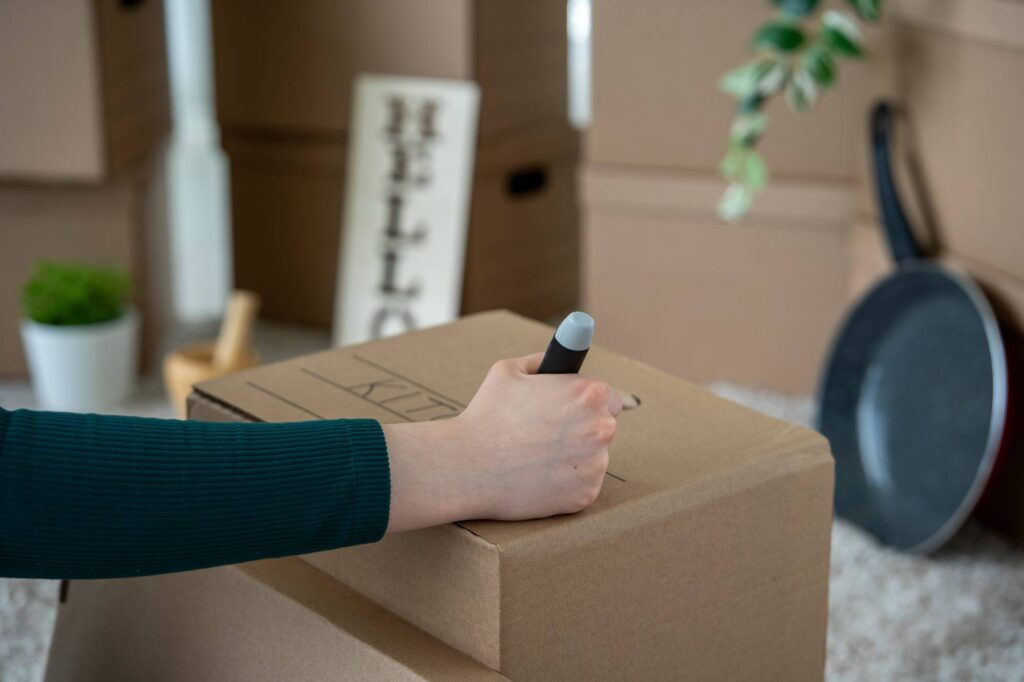
A pile of boxes immediately inside the apartment door can turn the rest of the move into an obstacle course.
Label boxes by their destination room before the move. As they come into the apartment, take them directly to the appropriate areas when possible rather than creating one large pile.
For bulky furniture, decide where it will go before it comes through the door. It may make sense to position large pieces or assemble essential furniture before filling the room with smaller boxes.
In a studio or smaller apartment, this becomes even more important. Leave yourself clear walking paths and avoid unpacking several areas at once when you don’t have much open floor space to work with.
Keep your first-night bag or box somewhere accessible throughout the move rather than letting it get buried with everything else.
After Moving Into Your Apartment
You don’t need to completely unpack and decorate your apartment the moment the last box comes through the door. Start by getting the essentials in place, then work through the remaining setup tasks at a manageable pace.
Unpack What You Need First
Start by making the apartment functional enough for your first night and the following morning.
Prioritize:
- Your sleeping space: Set up your mattress and bedding so you have somewhere comfortable to sleep.
- The bathroom: Put out toilet paper, soap, toiletries, and a towel. If the apartment needs a shower curtain, set that up before you need it.
- The kitchen: Unpack enough dishes and cookware to eat or prepare a simple meal. The rest can wait.
- Basic cleanup: Keep trash bags, paper towels or rags, and cleaner accessible for packing debris and moving-day messes.
- Charging: Set up a convenient place to charge your phone and other essential devices.
Once those basics are covered, you can unpack the rest of the apartment room by room rather than trying to finish everything at once.
Deal With Boxes and Moving-Day Waste
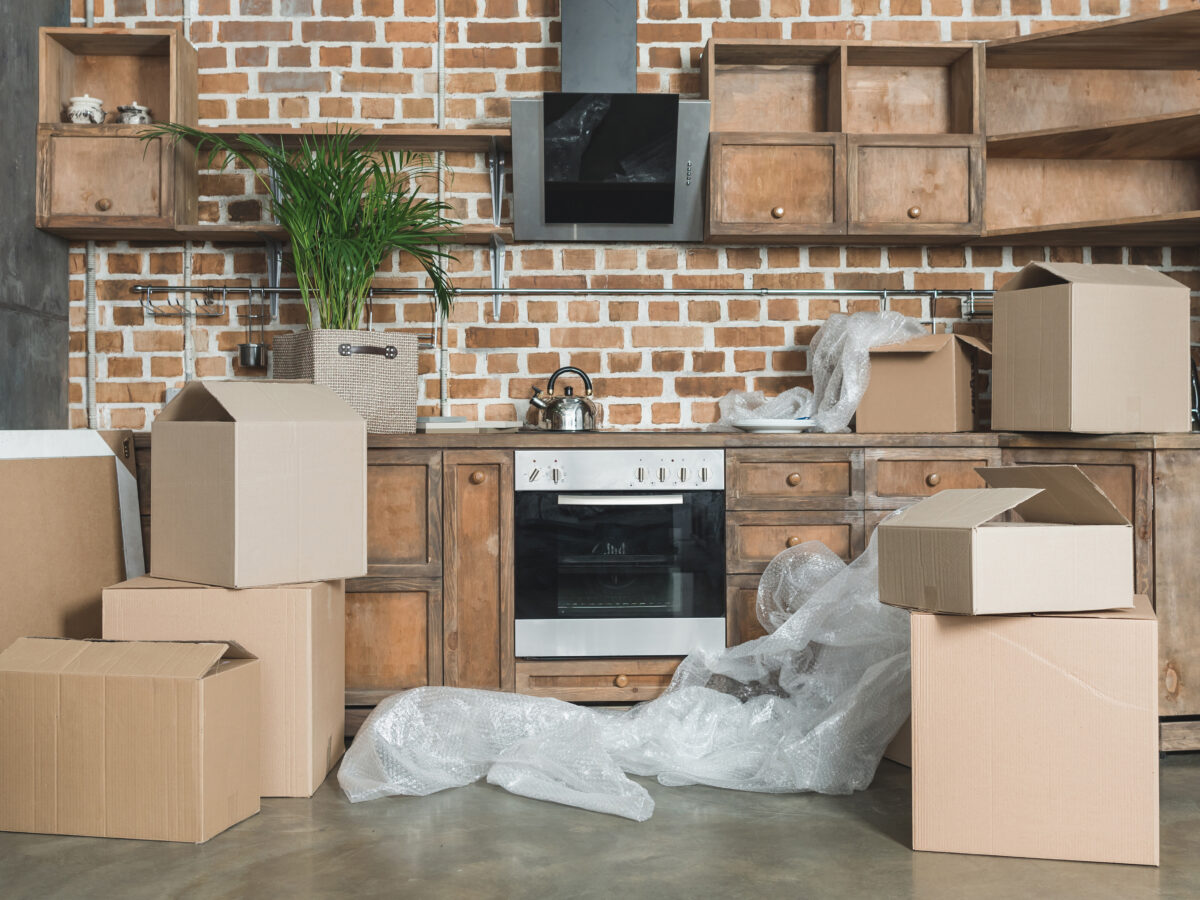
Cardboard can pile up quickly, especially in an apartment where open floor space is limited.
Find out how your building handles cardboard, recycling, trash, and other moving materials. Some properties may have designated disposal areas or specific procedures residents are expected to follow.
As you unpack:
- Break down empty boxes when you’re finished with them.
- Keep packing materials out of hallways and other shared spaces.
- Separate recyclable materials where appropriate.
- Follow your building’s rules for disposing of cardboard and other moving waste.
- Set aside reusable boxes or packing materials you plan to keep.
Clearing empty boxes as you go can free up valuable floor space and make it easier to continue unpacking.
Finish Setting Up Your Apartment
Once your immediate needs are covered, turn your attention to the projects that make the apartment fully functional. If storage is tight, these creative storage ideas for small spaces can help you make better use of bedrooms, bathrooms, kitchens, closets, and other areas.
Depending on your space, that could include:
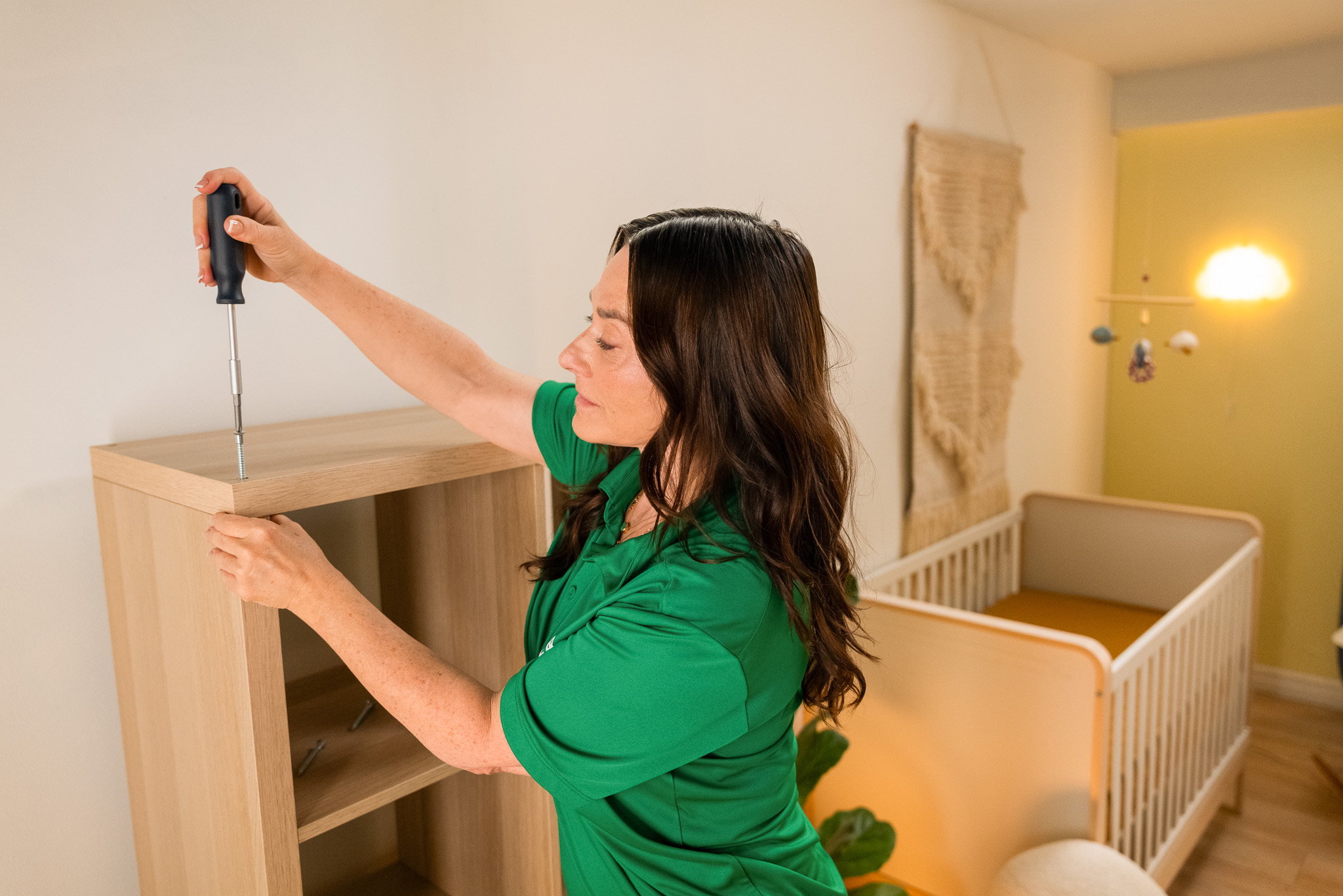
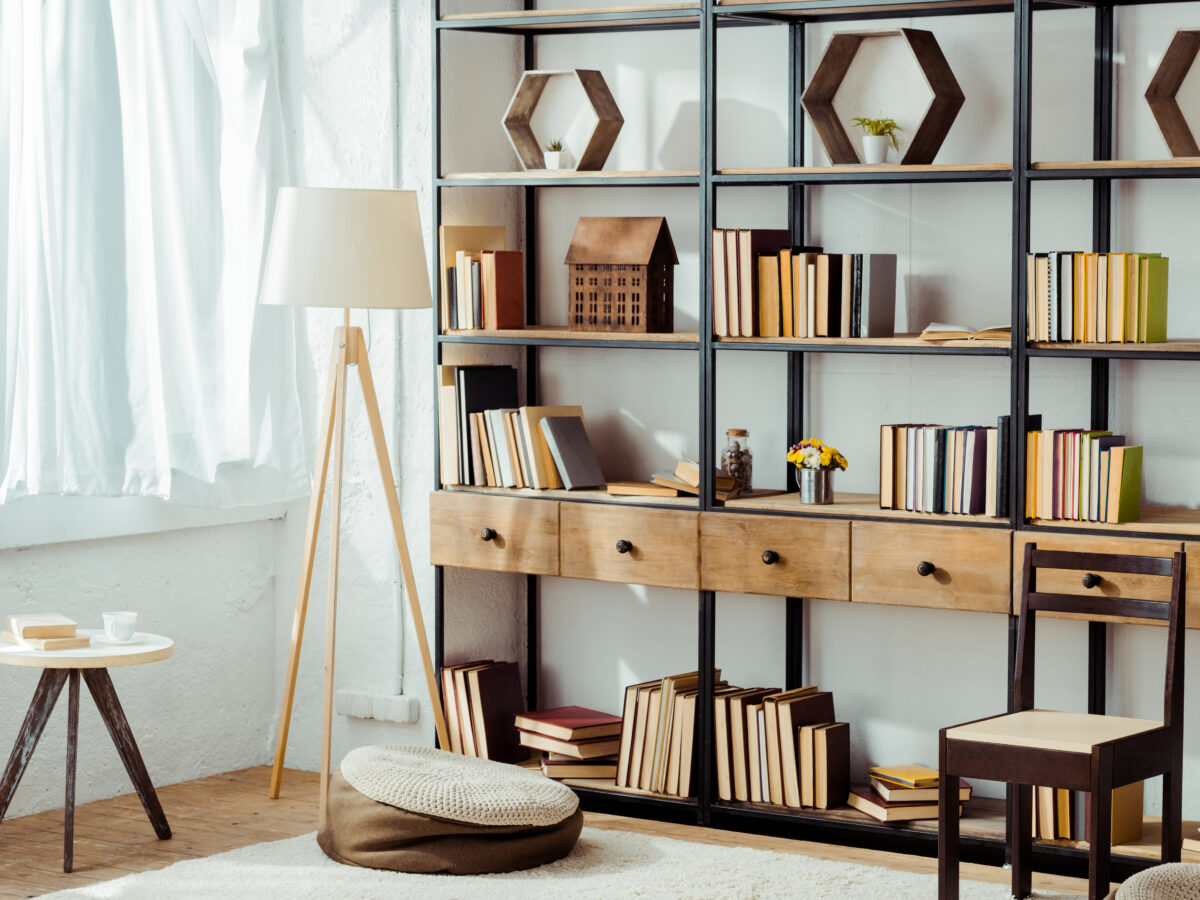
- Assembling a bed, dresser, table, or shelving unit
- Positioning heavy furniture
- Mounting a TV
- Mounting permitted shelves, mirrors, or decor
- Organizing closets and other storage
- Breaking down remaining boxes
Before mounting, painting, or making other changes to the apartment, confirm that the project is allowed under your lease or property rules.
If furniture assembly, mounting, heavy lifting, or another setup project is more than you want to tackle after moving, you can find a Tasker to help with the parts of apartment setup you’d rather hand off.
Apartment Moving Checklist
Every apartment and building is different, so your exact move-in process may vary. Use this checklist to keep track of the apartment-specific details before, during, and after your move.
Before your move:
- Check your building’s move-in rules and permitted hours.
- Schedule your move with the building, if required.
- Reserve an elevator or loading area, if needed.
- Confirm parking and unloading arrangements.
- Confirm which building entrance to use and how you’ll get your keys, fobs, or access codes.
- Measure entrances, elevators, hallways, stairs, and doorways.
- Make sure large furniture can travel the entire route to your apartment.
- Review your lease for mounting and alteration restrictions.
- Confirm which utilities are included and set up any services you’re responsible for.
- Check your lease for renters insurance requirements and arrange coverage if required.
- Book moving help, if needed.
- Pack your first-night essentials separately.
During your move:
- Document the apartment’s condition before unpacking.
- Follow building requirements for protecting common areas.
- Keep entrances, hallways, stairs, and other pathways clear.
- Send boxes directly to their destination rooms when possible.
- Position large furniture before smaller boxes make rooms harder to navigate.
- Keep your first-night essentials somewhere accessible.
After your move:
- Set up your sleeping space, bathroom, basic kitchen supplies, and chargers first.
- Unpack the rest of the apartment room by room.
- Break down boxes as you empty them.
- Follow your building’s waste and recycling procedures.
- Complete furniture assembly and other setup projects.
- Check your lease or property rules before mounting or making alterations.
Settle Into Your New Apartment
Moving into an apartment gets easier when you plan for the building as well as the move itself. Knowing how you’ll access the building, where a moving vehicle can unload, whether your furniture will fit along the entire route, and what needs to be ready when you arrive can help you avoid common move-in complications.
Once the logistics are handled, you can focus on getting comfortable in your new space. Unpack what you need first, add the rest over time, and if you could use an extra set of hands with moving, heavy lifting, furniture assembly, or setup, a Tasker can help.
Last updated on September 22, 2026 by Grace Branscome