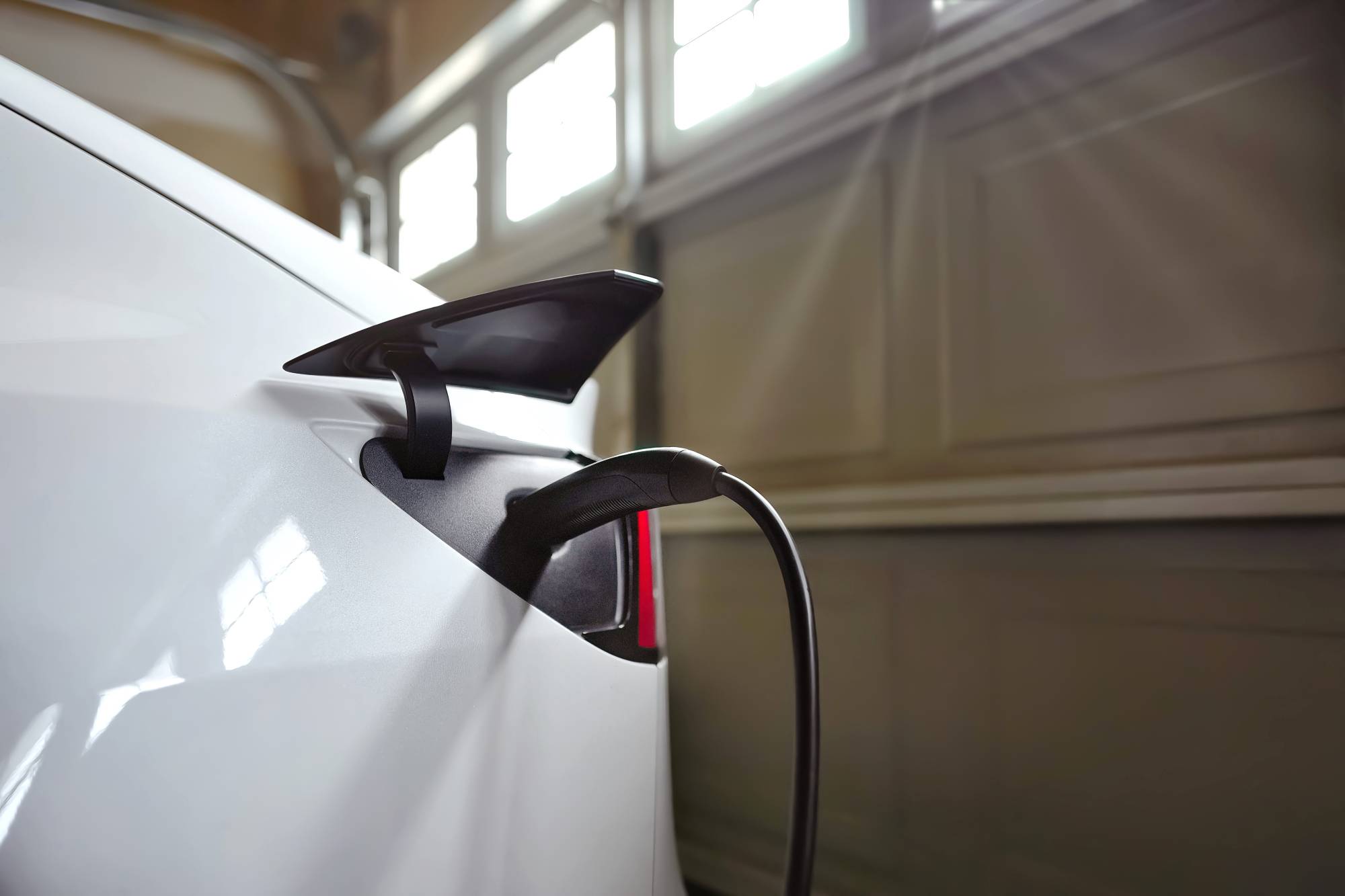
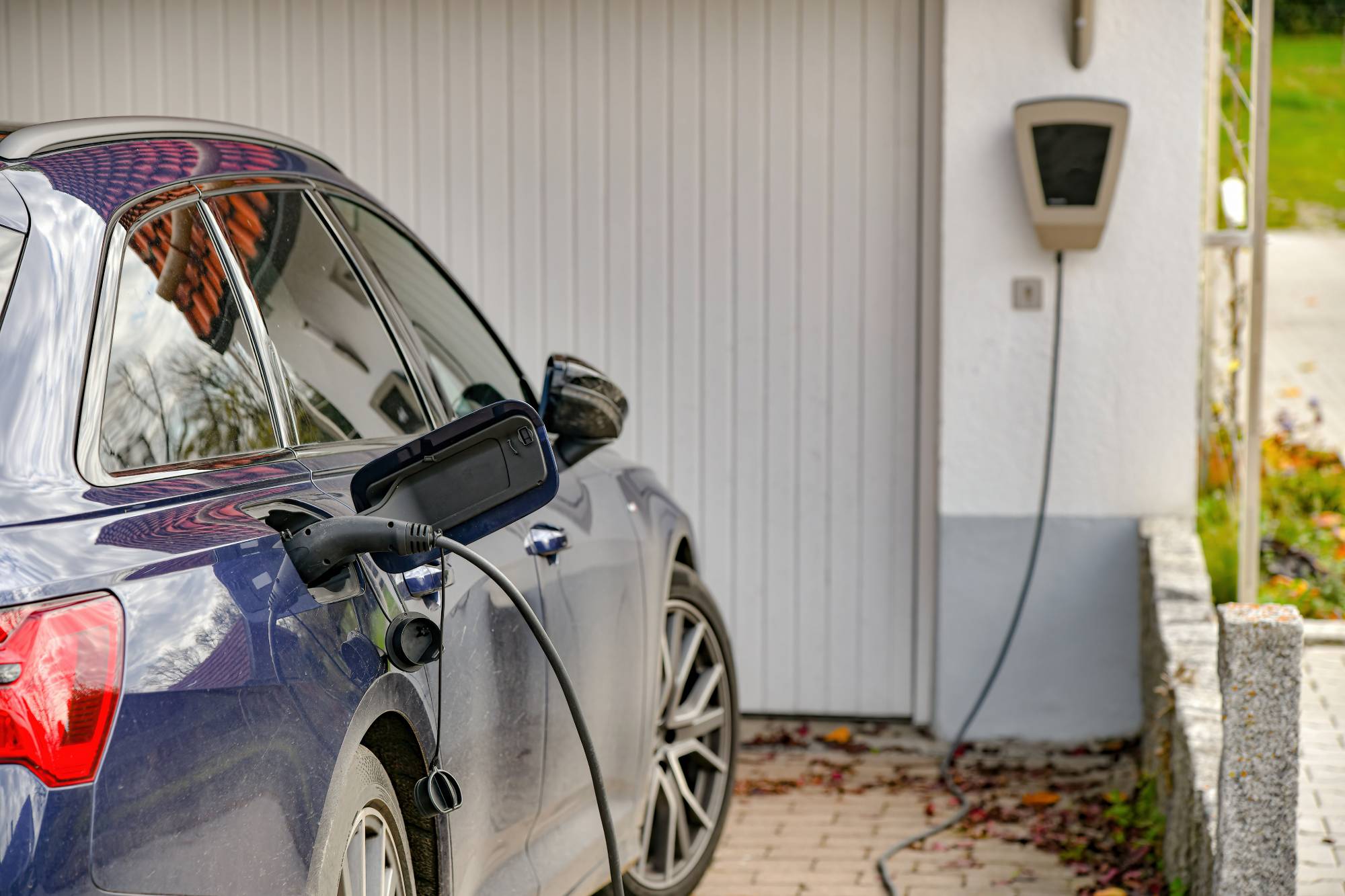
Bringing an electric vehicle (EV) into your life is an exciting step toward a greener future, but relying on public charging stations can quickly become a logistical headache. Imagine skipping the detour to a commercial charger and instead waking up every morning to a full “tank,” ready for your day.
A home EV charging station doesn’t just save you valuable time; it’s a solution-oriented investment that can save you money in the long run. But before you enjoy that effortless power-up, you might be wondering: what’s the average cost to install an electric vehicle charger at home?
Average Cost to Install an Electric Vehicle Charger
The total average cost to install an electric car charger for home use typically ranges from $1,000 to $2,500. This price can vary quite a bit depending on several key factors, including your location, the specific charger you choose, and any necessary electrical upgrades to your home.
The total investment for your home charging station is primarily driven by three key components: the cost of local permits, essential electrical materials, and professional labor. Because every home is different, the final price of your project will vary based on the specific installation factors, outlined in the section below.
| Cost | Estimated Average Price Ranges |
| Permits | $100-$300 |
| Materials | $300-$800 |
| Labor | $200-$1,000 |
For many homeowners, the thought of a home EV charging station installation brings up questions about budget. Taskrabbit can help you connect with trusted, background-checked Taskers who can provide electrical help. For a standard 2-4 hour installation job, you can expect Tasker labor rates to fall within a competitive range. Specific Tasker rates vary by individual and location, so it’s best to check the platform for current pricing in your area.
What Factors Affect EV Charging Installation Cost?
Installing an EV charger isn’t a one-size-fits-all job; several factors can influence the final EV charging installation cost. Understanding these elements can help you prepare your budget and expectations.
1. Type of EV Charger
The type of electric vehicle charger you choose is a major cost factor. Chargers are generally categorized into three levels, though home installations typically focus on the first two:
- Level 1: These chargers usually come with your vehicle and plug into standard 120V outlets. While they are the most affordable option, they charge very slowly.
- Level 2: Most homeowners opt for this level for a much faster charge. These units require a 240V outlet and must be purchased by the customer in advance. Prices for the unit itself can range from a few hundred dollars to over a thousand dollars.
- Level 3 (DC fast charging): These are typically found at public charging stations and are rarely installed in residential settings due to their high cost and extreme power requirements.
2. Hardwired vs. Plug-In Unit
EV chargers come in two main types that impact installation complexity:
- Plug-in units: These offer flexibility as they can be moved, but they require a dedicated 240V outlet.
- Hardwired units: These are permanently connected to your home’s electrical system, providing a cleaner look often preferred for outdoor installations.
3. Location (Distance from Panel)
Where you want your charger installed matters. If your electrical panel is far from your desired charging spot—say, a detached garage versus one attached to the house—more wiring may be needed, increasing labor and material costs. Outdoor installations also require weather-proofing for the charger and conduit, adding another layer of complexity and cost.
If you’re tidying up your garage for a new charger, Taskers can also help with garage clean-out and organization to get the space ready for your new setup.
4. Outlet Type
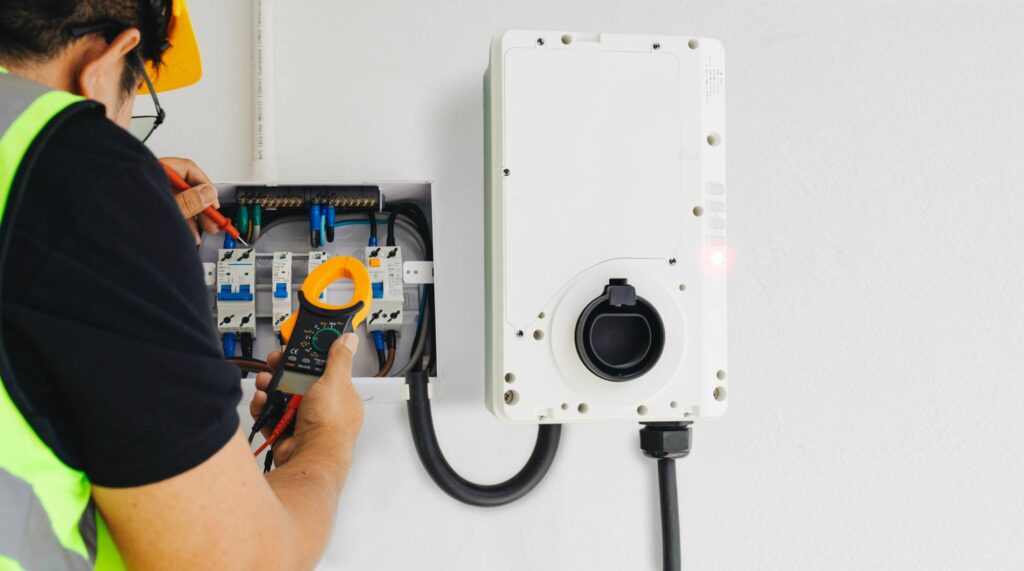
A Level 2 charger requires a 240V outlet, similar to what an electric dryer or oven uses. Most homes will need a dedicated 240V circuit installed for the charger, which involves running new wiring from your electrical panel to the charging location. This can be a significant part of the installation cost if not already present.
5. Electric Panel Capacity and Condition
This can be one of the more significant cost variables. If your home’s existing electrical panel doesn’t have enough capacity to handle the additional load of an EV charger, you might need a panel upgrade. This is a common requirement, especially in older homes, and can add substantially to the overall installation expense.
6. Permits
Depending on local regulations, you may need a permit for electrical work. Permit costs vary by jurisdiction, but Taskers or electricians with proper licensure can help you navigate these requirements to ensure your installation is up to code. For example, if you’re looking for the cost to install a Tesla charger or a Tesla wall connector installation cost, permits would be part of the process just like any other brand.
What Additional Materials are Needed for EV Charger Installation?
Beyond the charger unit itself, you might need various additional materials for a safe and effective installation. These can include:
- Wiring: Heavy-duty electrical cables (often 6 or 8 AWG) to connect the charger to your electrical panel.
- Conduit: Protective tubing (metal or PVC) to house the wiring, especially for exposed or outdoor runs.
- Circuit breakers: A dedicated double-pole circuit breaker (typically 40–60 amps) installed in your main electrical panel.
- Mounting hardware: Brackets and fasteners to securely attach the charger to a wall stud or pedestal.
- Electrical box or outlet: A junction box or a high-grade NEMA 14-50 outlet if you are opting for a plug-in rather than a hardwired installation.
When booking through Taskrabbit, it’s a good idea to connect with your Tasker beforehand and provide information on your specific car charger model and home electrical system. Taskers are able to purchase and expense up to $100 worth of materials, but can advise you on the exact specifications and any specific materials required for your unique setup.
What Makes the Investment in an Electric Vehicle Charger at Home Worth It?
While the upfront cost of installation is an investment, home charging is the most cost-effective way to power your vehicle. By moving your “fueling” to your own garage or driveway, you can tap into several layers of savings that eventually pay for the installation itself:
- Lower fueling costs: Electricity at home is significantly cheaper than the premium rates charged at public Level 2 or DC Fast Charging stations, where prices can be up to three times higher.
- Smart charging rates: Many utility providers offer “Time-of-Use” programs, allowing you to charge overnight when electricity rates are at their absolute lowest.
- Tax credits and rebates: You may be eligible for a federal tax credit of up to 30% (available through June 2026) or local utility rebates that can offset the cost of both the charger and the labor. Learn more about rebates and incentives when installing an EV charger.
- Increased property value: As EVs become the standard, a dedicated home charging station is a high-value amenity that can increase your home’s resale appeal by up to 3%.
What are the Ongoing Costs of Owning a Home EV Charger?
One of the best things about home EV charging is that it requires very little maintenance. Once installation is complete, your primary ongoing costs will be:
- Electricity usage: This is your main recurring expense. Depending on your local utility rates and how much you drive, you’ll see an increase in your monthly electric bill, though this is usually far cheaper than paying for gasoline or public charging.
- Maintenance: EV chargers are solid-state devices with no moving parts, so they rarely require servicing. You’ll just want to occasionally inspect the charging cable for wear and tear and keep the connector clean.
- Connectivity fees (optional): If you choose a “smart” charger, some brands offer premium apps for tracking energy data or scheduling. However, most basic scheduling features are free.
Ready to Power Up? Book Your EV Charger Installation Today
Installing an EV charger is a significant home upgrade, but you don’t have to navigate the technical details alone. Whether you’ve already purchased your charger or are still deciding on the right level for your garage, a Tasker can help bring your project to life.
By hiring an experienced Tasker, you can skip the stress of electrical load calculations and complex wiring. You’ll get a professional installation tailored to your home’s layout, ensuring your new charger is safe, efficient, and ready to go. Book a Tasker for electrical help and EV charger installation.
Last updated on July 27, 2026 by Grace Branscome