As the colder months creep in, so does the dread of higher utility bills. Winter heating costs can be one of the biggest seasonal household expenses, but saving money on your heating bill doesn’t have to mean sacrificing comfort. Many savings come from making your home more efficient, not just turning down the thermostat. This guide covers both quick wins you can do right away and longer-term solutions for better home heating efficiency.
What Causes Heating Costs to Rise?
Heating bills often climb in winter due to several factors that combine to make your system work harder. Understanding these can help you pinpoint where to focus your efforts.
- Drafts and air leaks around windows and doors allow heat to escape. Even tiny gaps can create a “chimney effect” that pulls cold air in and pushes warm air out.
- Insufficient insulation in the attic and walls forces your heater to work overtime. Without a proper thermal barrier, produced heat migrates straight through the ceiling and exterior walls.
- Inefficient thermostat settings lead to unnecessary heating cycles. If your system isn’t programmed to lower the temp while you’re sleeping or away, you’re paying to heat an empty house.
- Outdated or unmaintained HVAC systems operate less efficiently. Dust buildup and clogged filters cause systems to consume significantly more energy to reach the same temperature.
- Extreme outdoor temperatures naturally increase the demand on your equipment. When the gap between inside and outside temps is larger, your system must run longer to maintain warmth.
12 Tips to Save Money on Your Heating Bill This Winter
Ready to take control of your winter energy costs? We’ve put together a list of practical tips, starting with easy, low-cost actions and moving to more significant improvements that offer long-term savings.
No- and Low-Cost Tips You Can Do Right Away
These simple steps require minimal effort or expense and can start saving you money on your heating bill almost immediately.
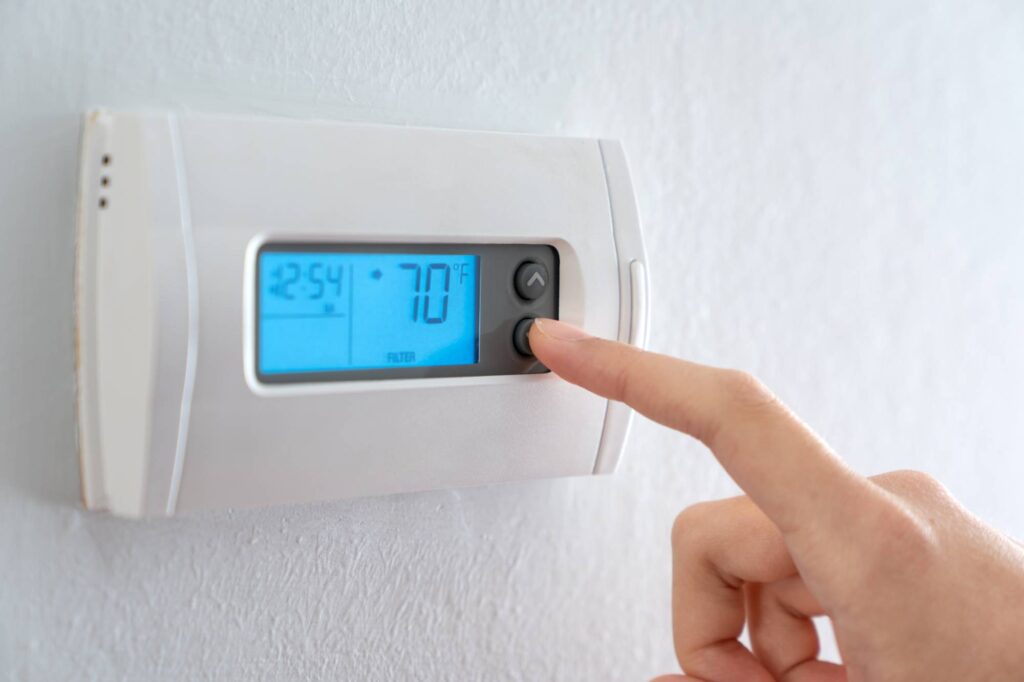
1. Adjust your thermostat settings. Lower your thermostat by a few degrees when you’re asleep or away from home. Even a two- or three-degree change can lead to noticeable savings over the winter.
2. Use curtains and blinds strategically. Open curtains on sunny days to let natural warmth in, then close them at night to add an extra layer of insulation against cold windows.
3. Reverse your ceiling fan direction. In winter, your ceiling fan should spin clockwise at a low speed, pushing warm air that has risen back down into the room. This helps distribute heat more evenly. (Curious about how it works? Read more about the benefits of reversing your ceiling fan for winter.)
4. Seal obvious drafts with temporary materials. Look for gaps around windows and doors, and use draft stoppers, towels, or temporary weatherstripping to block cold air from coming in.
5. Layer up your clothing. Improve your perceived warmth by wearing sweaters, warm socks, and using blankets. Relying less on constant temperature increases means your heating system works less.
6. Replace dirty HVAC filters regularly. A clogged filter makes your heating system work harder, consuming more energy. Check and change your filter every one to three months, especially during peak heating season.
Higher-Lift or Budget-Based Improvements That Pay Off
These upgrades might require a bit more effort or a larger initial investment, but they offer substantial, longer-term savings on your heating bill.
7. Add or improve attic insulation. Heat rises, so a poorly insulated attic is a major source of heat loss. Upgrading insulation, especially in the attic, can dramatically reduce how much heat escapes.
8. Install a programmable or smart thermostat. These devices learn your schedule or allow you to set specific temperature programs, ensuring you only heat your home when you need to. They are great for automating savings.
9. Use window insulation kits or install storm windows. For older, less efficient windows, plastic insulation kits create an airtight seal, or storm windows can provide an extra layer of protection against the cold.
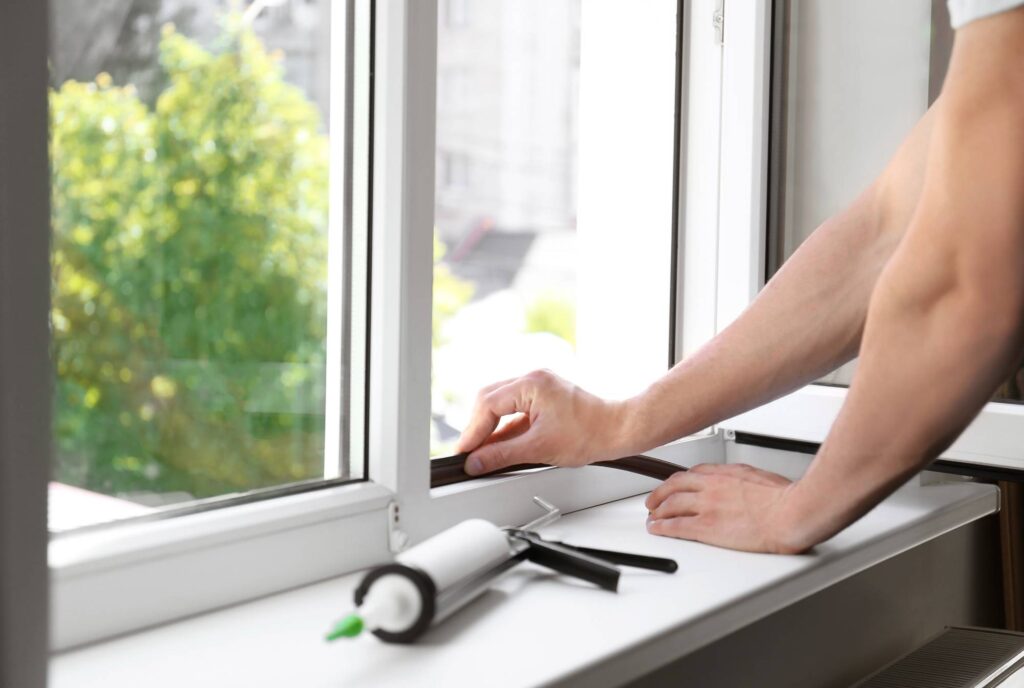
10. Seal persistent drafts around windows, doors, and outlets. Move beyond temporary fixes and use caulk or weatherstripping to create lasting seals around common draft points like window frames, door jambs, baseboards, and electrical outlets.
11. Address leaky ductwork. If your heating system’s ducts run through unheated spaces like attics or crawl spaces, leaks can waste a significant amount of heated air before it ever reaches your living spaces. Sealing these ducts improves efficiency.
12. Consider a professional energy audit. An energy audit can identify major sources of heat loss that aren’t obvious, helping you prioritize improvements for the best return on investment.
For help with insulation or other home improvement services, Taskers are available to lend a hand.
Important Considerations Before Making Changes to Lower Your Heating Bill
While saving money on heating is a great goal, it’s wise to keep a few things in mind to ensure your efforts are effective and don’t create new problems.
- Consider your home’s unique needs. Factors like your local climate, the age of your home, and your current insulation levels mean that results will vary for every household.
- Prioritize long-term solutions. While small fixes offer immediate relief, they aren’t permanent substitutes for high-impact upgrades like professional insulation or duct sealing.
- If you rent, explore renter-friendly options. Many of these strategies—such as using rugs, draft stoppers, or thermal curtains—are non-permanent and ideal for those who cannot make structural changes.
- Avoid over-straining your system. Be cautious with “zone heating” (closing vents or doors), as it can sometimes reduce HVAC efficiency or cause mechanical strain depending on your system’s design.
- Track changes incrementally. Try making adjustments one at a time so you can accurately identify which specific changes are actually driving your savings.
- Investigate persistent issues. If your costs remain high despite these efforts, it may indicate hidden problems like major air leaks or aging insulation that require a deeper look.
How Much Can You Save On Your Heating Bill?
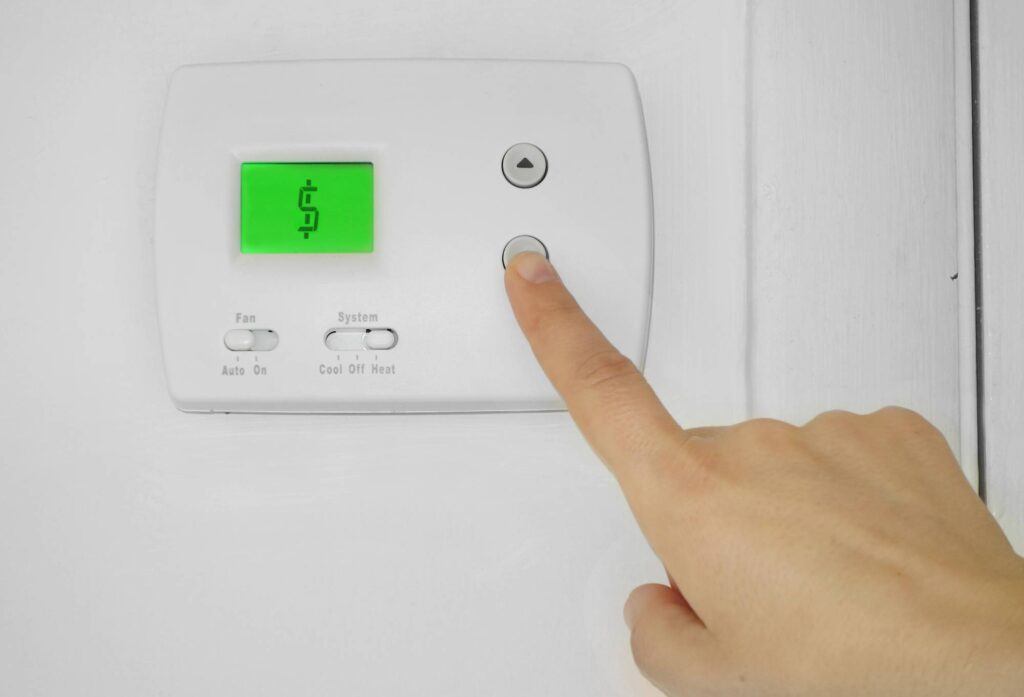
It’s natural to wonder about the potential savings, but how much you can save on your heating bill varies widely. Small changes, like adjusting your thermostat or sealing a few drafts, can lead to noticeable savings over a winter season.
The exact amount you save depends on:
- Your climate
- The size of your home
- The quality of your existing insulation
- The efficiency of your current heating system
Generally, bigger improvements, such as adding insulation or sealing ductwork, tend to deliver higher long-term savings. The biggest gains usually come from identifying where heat is truly being lost, not just from turning the heat down. Professional fixes often reduce wasted energy, leading to better comfort and significant savings.
When Is It Worth Hiring a Professional for At-Home Heating Updates?
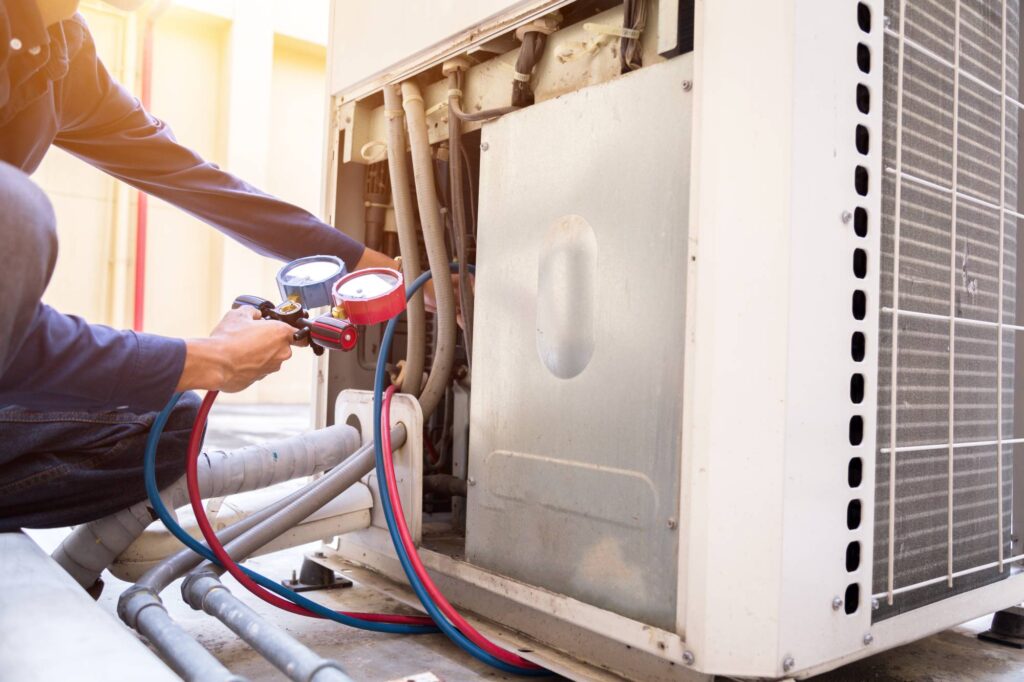
When basic DIY steps aren’t enough to move the needle on your utility costs, calling in an expert can help identify more complex issues. Consider bringing in a professional when:
- You suspect hidden air leaks or inadequate insulation. These aren’t always easy to spot, and a professional can conduct a thorough assessment.
- Your HVAC system needs servicing or tune-ups. Regular HVAC maintenance can improve efficiency by ensuring your system runs as designed, preventing costly breakdowns later.
- You need to seal ductwork or install insulation in hard-to-reach areas. These tasks often require specialized tools and experience for proper execution.
- You’re a renter needing non-permanent solutions. A Tasker can help with temporary weatherproofing or other fixes that won’t violate your lease.
- You want to ensure the best return on investment. Professionals can help identify the most impactful upgrades for your specific home.
For tasks like weatherproofing, insulation, or general handyman services, finding a local Tasker can help ensure the job is done right and efficiently.
Save Money Without Sacrificing Comfort
Reducing your winter heating bill is an achievable goal, and most households benefit from combining small, daily changes with targeted, longer-term upgrades. Remember, the key is often to stop heat from escaping in the first place, rather than just generating more heat.
With practical steps and the option to get professional help when needed, you can enjoy a warmer home and a lighter utility bill. Take the next step confidently toward a more energy-efficient winter. Find a local Tasker to help improve your home’s energy efficiency this winter.
Last updated on April 21, 2026 by Isabel Gottlieb