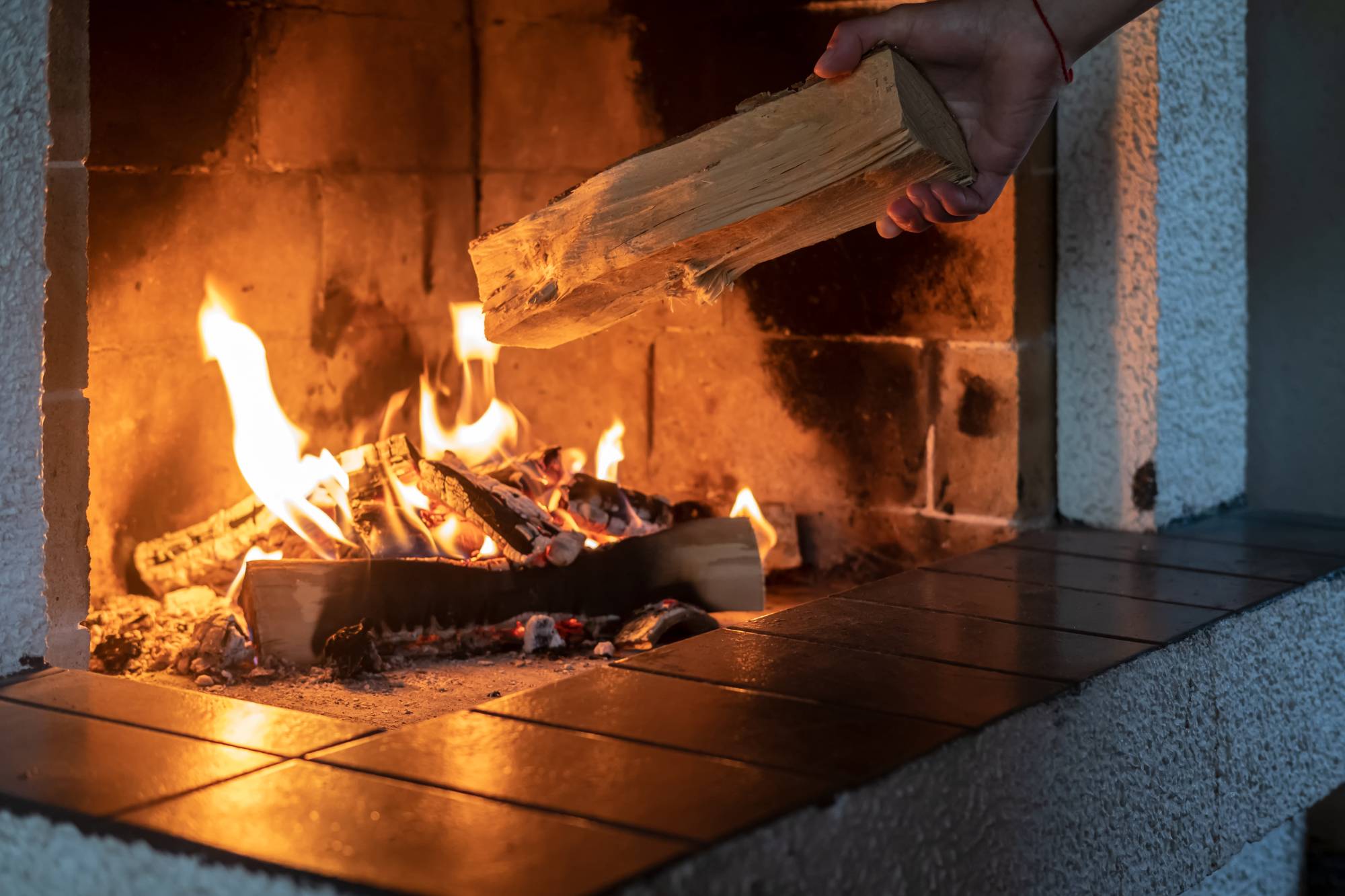
There’s nothing quite like the cozy warmth and crackling ambiance of a real wood-burning fireplace. While gas fireplace maintenance is also necessary for safety and efficiency, a wood-burning one requires a more frequent, hands-on approach to care. From managing ash and soot to dealing with creosote, regular maintenance is essential for safety, efficient airflow, and preventing fire hazards. This guide will walk you through what homeowners can handle themselves and when it’s time to call in a professional for chimney service.
Why Is Wood Fireplace Maintenance Important?
Maintaining your wood-burning fireplace isn’t just about keeping it looking good; it’s crucial for your home’s safety and air quality.
Wood fireplaces produce byproducts that can become hazardous if not managed:
- Creosote buildup and chimney fire risk: When wood burns, it releases gases that rise and condense into creosote, a flammable substance, inside your chimney. Over time, this sticky, tar-like residue can build up, narrowing the flue and posing a serious risk of a chimney fire.
- Smoke backdrafting and indoor air quality: A blocked or dirty chimney can prevent smoke from properly exiting your home. This can lead to smoke backing up into your living space, reducing indoor air quality and posing health risks.
- Firebox and chimney deterioration over time: Ash, soot, and the heat from fires can cause wear and tear on your firebox, bricks, mortar, and damper. Regular cleaning and inspection can help spot and address minor issues before they become major, costly repairs.
What Routine Maintenance Can Homeowners Do?
While some maintenance tasks require a professional, several routine upkeep items are safe for you to tackle yourself. These tasks help keep your fireplace running smoothly and reduce buildup between professional cleanings.
Here’s what you can do:
- Remove ash after fires: Always wait until the ash is completely cool, which can take up to three days. Scoop out excess ash, leaving a thin layer (about one inch) to help insulate future fires.
- Clean firebox surfaces: Use a stiff brush and a dedicated fireplace cleaner to scrub soot and grime from the firebox walls and grate. You can find more tips on cleaning different materials in our guide on how to clean a stone fireplace.
- Inspect fireplace doors, screens, and dampers visually: Periodically look for signs of wear. Keep an eye out for flaky, tar-like buildup in the firebox, cracks in firebrick or mortar, and rust or warping on metal components like your grate or damper.
- Keep the hearth and surrounding area clear: Ensure there’s no clutter, flammable materials, or décor too close to the fireplace opening.
Need a hand with the messy, physical parts of fireplace upkeep? From ash disposal to cleaning the hearth, a trusted Tasker can help with the heavy lifting so you can enjoy your fireplace worry-free.

When Does a Wood Fireplace Need Professional Maintenance and Inspections?
While you handle the daily upkeep, some critical jobs require the specialized tools and expertise of a professional chimney service. These tasks are vital for ensuring the structural integrity and safe operation of your wood-burning fireplace.
A professional will:
- Perform chimney sweeping: This thorough cleaning removes hazardous creosote, soot, and any blockages from your chimney flue, significantly reducing the risk of a chimney fire.
- Conduct annual chimney inspections: For active fireplaces, an annual inspection by a certified professional is highly recommended. These inspections check for structural damage, blockages, and any issues that could compromise safety.
- Identify inspection levels: Most routine annual checks are “Level 1” inspections, which cover readily accessible portions of the chimney, its interior, and external components. If an issue is found, or if you’re making changes to your fireplace, deeper “Level 2” or “Level 3” inspections may be required to get a more detailed view.
If you need help from a certified professional or licensed contractor, be sure to check your Tasker’s qualifications and bio to ensure they meet your project’s requirements. You can use the chat feature to discuss their specific experience with chimney sweeping or certifications for inspections before the task begins.
What Are Signs Your Wood Fireplace or Chimney Needs Attention?
Even with regular homeowner maintenance and professional inspections, it’s smart to stay aware of potential warning signs. Catching these early can prevent bigger problems down the line.
Look out for these indicators that your wood fireplace or chimney needs attention:
- Strong smoke smell indoors: This can signal a drafting problem, a blockage, or creosote buildup that needs clearing.
- Poor draft or smoke entering the room: If smoke billows into your living space instead of going up the chimney, it’s a clear sign of an issue with your flue or airflow.
- Visible creosote flakes or soot buildup: If you can see thick, black, flaky, or tar-like deposits in your firebox or even on your roof around the chimney, it’s time for a professional cleaning.
- Cracked firebox or damaged chimney components: Any visible cracks in the firebrick, deteriorating mortar, or warped metal components like the damper should be addressed quickly to prevent fire hazards or structural damage.
How Often Should You Maintain a Wood Fireplace?
The frequency of wood fireplace maintenance depends on how often you use it. Generally, a mix of after-each-use tasks, seasonal checks, and annual professional service will keep your fireplace safe and efficient.
Here’s a general guideline for how often to maintain your wood fireplace:
- After-each-use tasks: Ash removal (when fully cool), visual inspection for obvious issues, and keeping the hearth clear should be done regularly, especially after burning several fires.
- Seasonal tasks: A more thorough cleaning of the firebox and grate, checking for any cracks, and ensuring the damper operates smoothly can be done once a season or every few months during peak use.
- Annual chimney inspection and cleaning: This is crucial for every wood-burning fireplace, regardless of how often it’s used. Schedule this once a year, ideally before the cold weather sets in.
Pro tip: Getting your chimney inspected and cleaned in the late summer or early fall means you’re ready to safely enjoy your fireplace as soon as temperatures drop, avoiding the rush of last-minute appointments.

What Are the Best Tips for Safer Burning and Year-Round Care?
Beyond cleaning, how you use your fireplace directly impacts its safety and upkeep. Practicing smart burning habits and proper handling can significantly reduce creosote buildup and other common issues.

Fire Safety and Setup Basics
Preventing sparks, smoke, and household fire risk starts before you even light a match.
- Install and regularly test smoke and carbon monoxide detectors near the fireplace.
- Use a fireplace screen or glass door to help contain sparks and embers, protecting your home and family.
- Keep the hearth area clear of furniture, rugs, décor, and other flammable items. A three-foot clear zone is a good rule of thumb.
- Make sure dampers are fully open before starting fires to ensure proper ventilation, and fully closed when not in use to prevent drafts and heat loss (once ashes are completely cool). Properly managing your fireplace is just one way to save on your winter heating bills.
- Store seasoned wood at least 20 feet away from your home to avoid bringing pests like termites or mice inside.
Burning Habits to Reduce Buildup
The type of wood you burn and how you burn it directly affects how much soot and creosote are produced.
- Hot, well-ventilated fires are cleaner than slow, smoldering fires. Hot fires burn more completely, producing less smoke and creosote.
- Only burn firewood intended for fireplaces. Never burn trash, treated wood (like lumber scraps or painted wood), or debris, as these can release toxic fumes and significantly increase creosote buildup.
- Burn seasoned hardwood (e.g., oak, maple) that has been properly dried for at least six months to a year.
- Avoid burning wet or green wood, which creates more smoke, soot, and creosote due to its high moisture content.
Ash Handling and Cleanup
Handling ash safely is a key part of wood fireplace maintenance and can be one of the messiest tasks.
- Leave a thin ash layer (about one inch) during the season to help insulate hot coals and promote better burning.
- Never use household vacuums for ash, as fine ash can damage the motor or clog filters, and hot embers can remain hidden for days, posing a fire risk. Use a specialized ash vacuum or shovel.
- Store removed ash in a metal container with a lid, away from structures, for several days to ensure any hidden embers are fully extinguished before disposal.
Off-Season and Downtime Care
Even when your fireplace isn’t in use, it benefits from a little attention.
- Close dampers fully during long periods of non-use (after confirming ashes are fully cool) to prevent cold drafts and keep pests out.
- Be aware that moisture intrusion during off-season months can increase maintenance needs. Regularly check for any signs of water leaks or dampness in or around your fireplace and chimney.
- Neutralize odors with white vinegar or baking soda, placing either in a small bowl inside the firebox when not in use.
Take Care of Your Wood Fireplace Safely with Help from Taskrabbit
Maintaining a wood-burning fireplace effectively combines regular homeowner cleanup with essential professional maintenance. Taskers can provide practical support for the messy, time-consuming tasks that keep your home running smoothly:
- Ash cleanup and disposal (once fully cool and safe to handle)
- Cleaning soot from accessible fireplace surfaces
- Deep-cleaning the hearth area
- Moving and stacking firewood in your designated storage area
For specialized maintenance or inspections, check your Tasker’s qualifications when booking to ensure they meet your specific requirements and have the skills or certifications needed.
Ready to get help with your home maintenance? Find a Tasker for home maintenance, general handyman tasks, or house cleaning today.
Last updated on January 14, 2026 by Grace Branscome