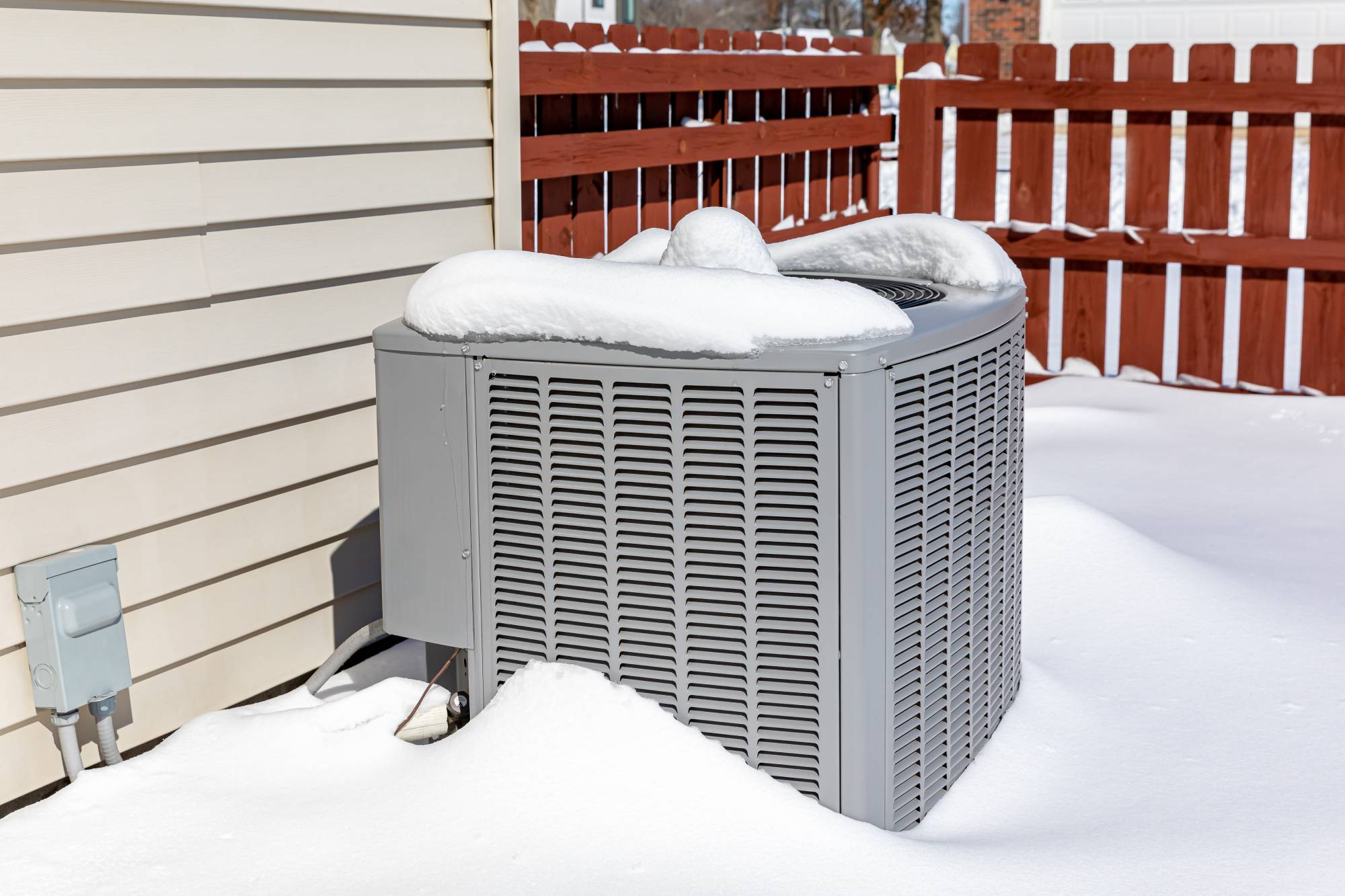
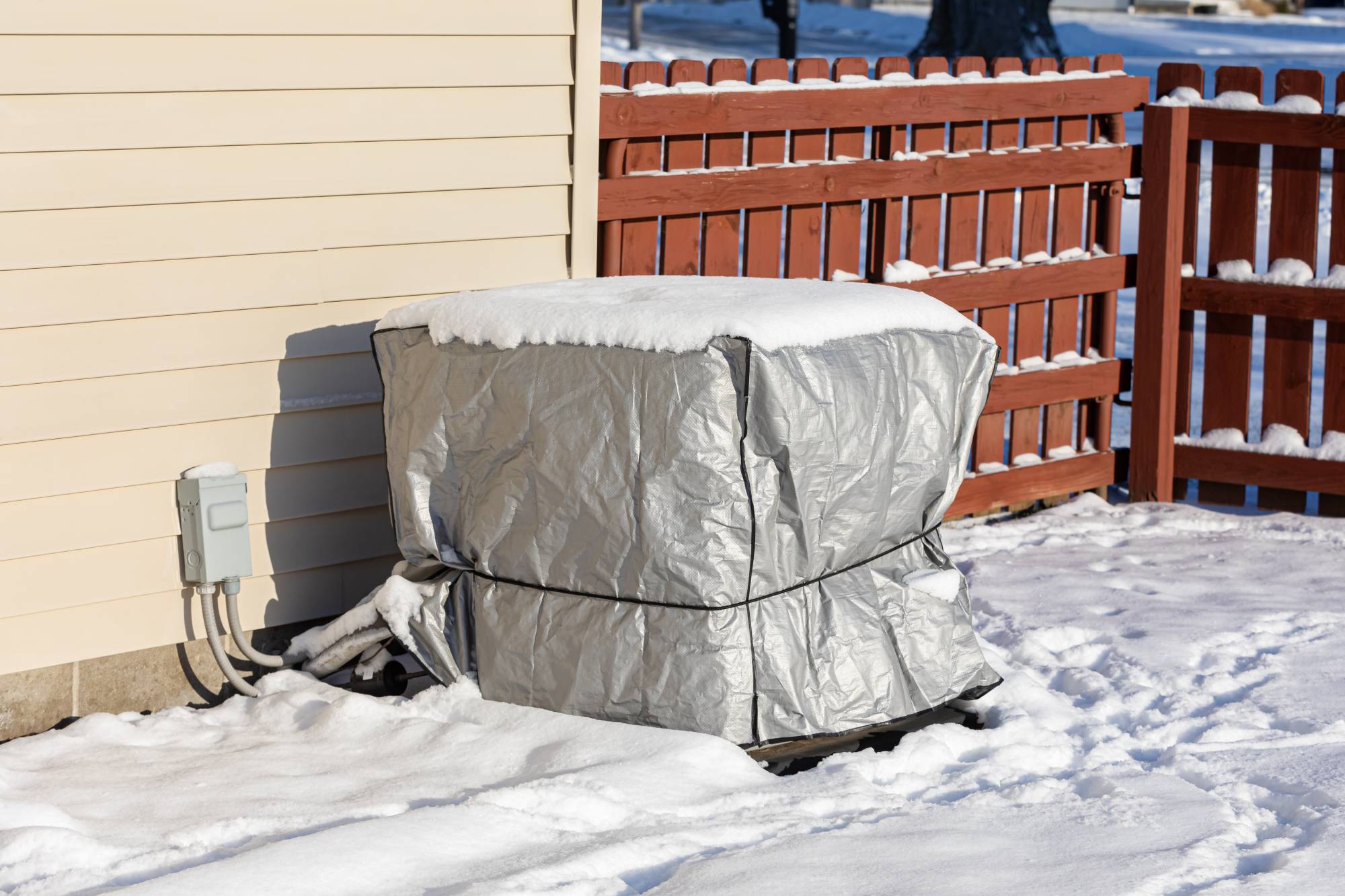
As the days grow shorter and temperatures drop, many homeowners start thinking about protecting their outdoor AC unit from winter weather. You might wonder if an AC cover is a good idea, or if it could actually do more harm than good. It’s a common question, and there’s a lot of conflicting advice out there.
Does Covering Your AC Unit in Winter Actually Help?
The short answer is: typically, no. For most outdoor AC units, a full cover isn’t just unnecessary, it can sometimes be harmful.
While the idea of shielding your expensive equipment from snow and ice makes sense on the surface, modern air conditioners are built to withstand the elements. If you’re unsure about your specific unit or what kind of winter prep it needs, trusted Taskers can provide expert help with AC winterization.
Are Air Conditioners Designed to Withstand Winter Weather?
Yes, outdoor condenser units are specifically designed and built to endure a wide range of weather conditions, including harsh winter elements like snow, ice, and cold temperatures. Just as they withstand intense sun and heavy rain during the summer, they are engineered to handle winter conditions year-round.

Pros and Cons of Using an AC Cover in Winter
While the instinct to protect your AC is natural, it’s important to weigh the potential benefits against the risks. There are limited scenarios where a cover might seem appealing, but several downsides to consider.
Potential Pros:
- Debris protection: A cover might offer some protection against an unusual amount of falling leaves, twigs, or other large debris that could accumulate inside the unit.
- Ice protection: In areas prone to severe ice storms, a cover might reduce ice accumulation from falling icicles above the unit.
- Aesthetics: For some, covering the unit simply makes the yard look tidier during the off-season.
Potential Cons:
- Trapped moisture and condensation: This is the biggest risk. An airtight cover traps moisture inside, creating a damp environment that leads to condensation on internal parts.
- Rust and corrosion: Constant moisture buildup significantly increases the risk of rust, shortening the lifespan of your unit.
- Pest infestation: A warm, damp, covered space is an inviting home for rodents, insects, and other pests. They can chew through wiring, build nests, and cause substantial damage.
- Mold and mildew growth: Trapped moisture provides an ideal breeding ground for mold, which can affect performance and spread spores when the AC is turned on in the spring.
- Reduced airflow: Full covers prevent proper airflow, which is essential even when the unit isn’t running. This lack of ventilation exacerbates moisture issues.
When Does It Make Sense to Cover an AC Unit?
There are only a few very specific situations where a limited form of covering might be considered, and even then, caution is key.
- Heavy debris or falling ice: If your unit sits under shedding trees or roofs with falling ice, a cover can prevent physical damage.
- Breathable covers: If you choose to cover your unit, opt for a cover that only shields the top of the unit or one made from a breathable mesh fabric. This allows for essential airflow while offering some protection from falling objects.
Warning: Because they operate year-round for both heating and cooling, a cover can severely damage the system.
Top-Only vs. Full AC Covers
The distinction between these two types of AC covers is vital:
- Top-only cover: Usually a flat piece of material secured with bungee cords. It keeps debris out of the top while leaving the sides open for unrestricted airflow.
- Full AC cover: Encases the entire unit, blocking airflow and creating the perfect environment for moisture and pests.

AC Winterization vs AC Covers: What’s the Better Option?
When it comes to preparing your AC for winter, proper AC winterization is almost always the better and safer choice compared to simply covering your unit.
- System protection: While covers only protect the surface, professional winterization protects the internal components.
- Prevention: Winterization includes cleaning out debris, insulating pipes, and shutting off power to prevent electrical issues.
- Spring readiness: A winterized unit starts up more efficiently in the spring, saving you from unexpected repairs.
For expert assistance, explore Taskrabbit’s AC Winterization service. You can also learn more about how to prepare your unit by checking out our guide on how to winterize an AC unit.
Mistakes to Avoid
To keep your unit healthy, steer clear of these common errors:
- Using plastic or airtight covers: These are the worst for trapping moisture.
- Fully wrapping the unit: This negates the unit’s weather-rated design.
- Assuming a cover replaces maintenance: Even with a cover, you still need seasonal check-ups.
- Forgetting to clean: Always remove leaves and debris before applying any partial cover to prevent trapping organic matter.

When Hiring a Professional for AC Protection Makes Sense
Deciding how to care for your AC unit can feel overwhelming with all the advice out there. If you’re unsure about the best way to prepare your specific unit for winter, or if you simply don’t have the time or tools, hiring a background-checked Tasker makes a lot of sense.
They can provide expert guidance, perform proper winterization, and ensure your system is ready for winter without the risk of damage.