We’ll never turn down a lazy snow day followed by a cozy evening indoors, but if you’re not prepared the snow can quickly turn into a major headache. While winter weather is notoriously hard to predict, you can get ahead of the blizzard with a bit of careful planning. Prepare for every stage of a winter storm with this safety guide.
Before the Storm Prep
When a storm is on the horizon, a few proactive steps can make all the difference. Take these actions before the first flakes fall to protect your property and make cleanup easier later:
Understand Winter Storm Warnings
Proper snow storm preparation includes understanding weather alerts, gathering emergency supplies, winterizing your home, and planning for during and after the storm. Start by knowing when to act based on these weather warnings:
- Winter Storm Watch: Conditions are favorable for a significant storm. This is your cue to review your checklist and make sure you have what you need.
- Winter Storm Warning: A storm is expected in your area. It’s time to finish up your preparations and plan to stay indoors.
- Winter Weather Advisory: Winter weather is occurring or imminent, but it’s expected to be an inconvenience, not a life-threatening event. Expect slippery conditions.
Build Your Emergency Supply Kit
If the forecast calls for a major storm that could keep you inside for a few days, make sure you’re prepared. You don’t need to go full doomsday prepper, but having these on hand is a smart move:
- Water (one gallon per person, per day, for at least three days)
- Non-perishable food for everyone in your household (including pets!) for at least four days
- Flashlights and extra batteries (because your phone flashlight won’t last forever)
- A battery-powered or hand-crank radio for weather updates
- First-aid kit
- Extra blankets and warm clothing
- A backup cell phone charger or power bank

Winterize the House
- Caulk windows and doors: Get ahead of cold weather by fixing major leaks before winter starts. Insulating windows and doors helps to keep out drafts and save on energy bills.
- Trim overgrown branches away from the house: The last thing you want during a storm is for a stray branch to crash through the roof or down a power line.
- Check smoke and carbon monoxide detector batteries: Check batteries at the start of each season, especially in winter when heat and fireplace usage—and chances of power outages—increase.
Create a Family Communication Plan
In a serious outage, your cell might not work. Here’s how to stay connected:
- Emergency contact: Designate an out-of-state friend or relative as your central contact
- Share the plan: Make sure everyone in your household knows who to call
- Write it down: Keep important numbers on actual paper in case devices fail
Check Heating Sources and Backup Power
Your heating system needs to be storm-ready. Check these key areas:
- Furnace: Ensure it’s serviced and functioning properly
- Fireplace: Clean the flue and test operation
- Generator: Have a portable generator ready, positioned at least 20 feet from your home
Salt Driveway and Walkways
Slow snow buildup by evenly sprinkling deicing salt on your driveway, steps, and walkways. Consider using magnesium chloride, which leaves behind less residue than common rock salt.
Pro tip: Hire a Tasker for salting services to easily check one thing off of your winter prep to-do list.
Check Car Tires and Supplies
While it’s best to stay indoors in a storm, inspect your car for winter travel in case it’s unavoidable. Check the tires and antifreeze, change the oil, and stock your trunk with safety essentials like snow chains, jumper cables, and a shovel. Before the storm, lift the windshield wipers so they won’t freeze in place.
During the Storm
Stay indoors during active snowfall. However, you can take these actions during breaks:
- Strategic shoveling: Clear key areas periodically to prevent massive buildup
- Check on neighbors: Especially elderly or vulnerable community members
- Monitor conditions: Keep radio or weather app handy for updates
Digging Out After the Storm
Once the storm passes and it’s safe to go outside, it’s time to clear your property. Here’s where to start:
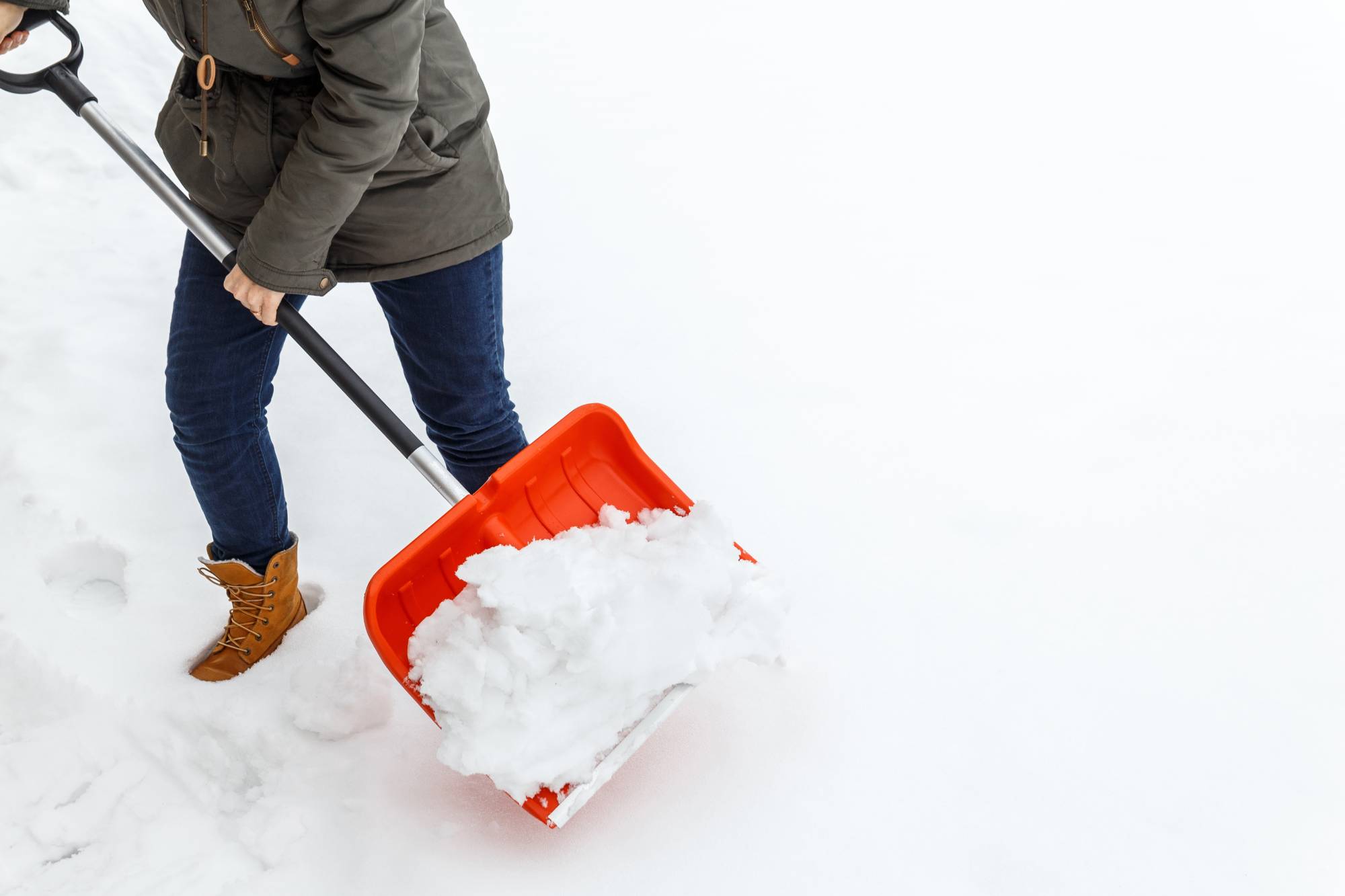
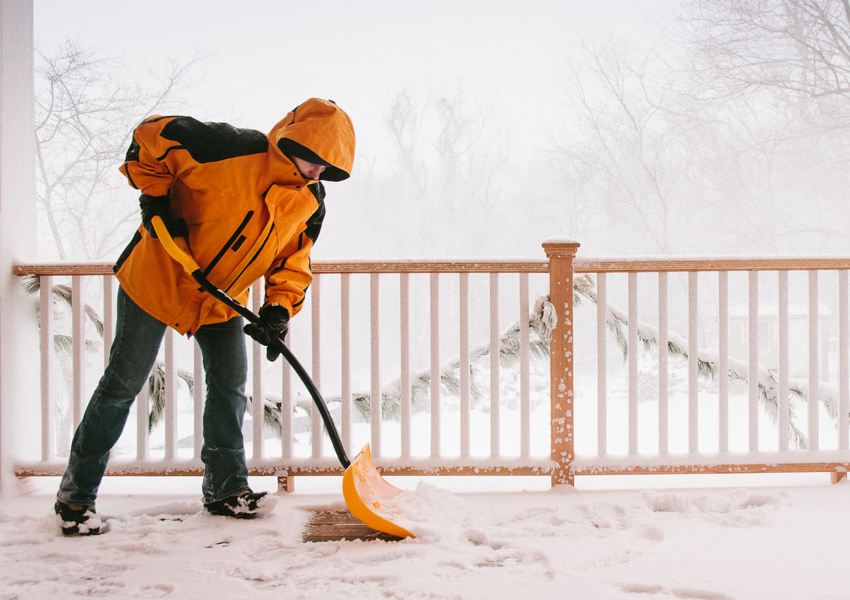
- Shovel and de-ice driveway, paths, and steps: To prevent back strain, bend your knees and lift with your legs, holding the shovel blade close.
- Clear snow from car (don’t forget the tailpipe!): Shovel the area around your car last, since you’ll be brushing snow off the top.
- Check for fallen power lines and trees: Stay far away from any power lines on the ground—they could still be live and dangerous. Also avoid walking under tree branches that are heavy with snow, as they could break and fall.
Get Help Before and After a Winter Storm with Taskrabbit
Preparing for a winter storm can feel like a full-time job you didn’t apply for. From trimming icy branches to last-minute supply runs, there’s a lot to do. If your to-do list is longer than your patience, remember there’s a better way. Book trusted help and let a Tasker handle the storm prep and snow removal, so you can focus on staying warm and cozy.
Snow Storm Prep FAQs
How far in advance should I start preparing for a winter storm?
Begin preparations when a storm is forecast, and complete them within 24-48 hours once a Winter Storm Watch is issued.
What if I live in an apartment and can’t install a generator?
Stock up on extra blankets, warm clothes, non-perishable food, and high-quality power banks for device charging.
Last updated on January 22, 2026 by Grace Branscome