Pressure washing delivers benefits beyond appearance. It prevents structural damage, enhances safety, and prepares surfaces for maintenance. This guide covers how it works, what surfaces it treats, and why it’s a smart investment in your property.
What is pressure washing?
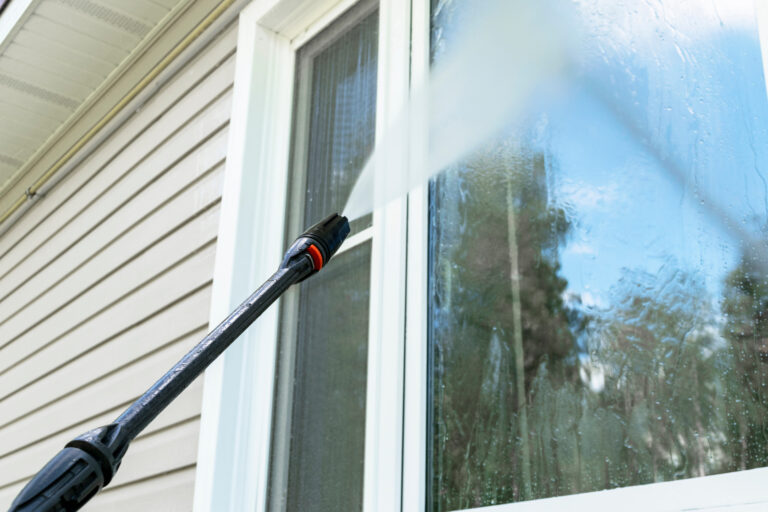
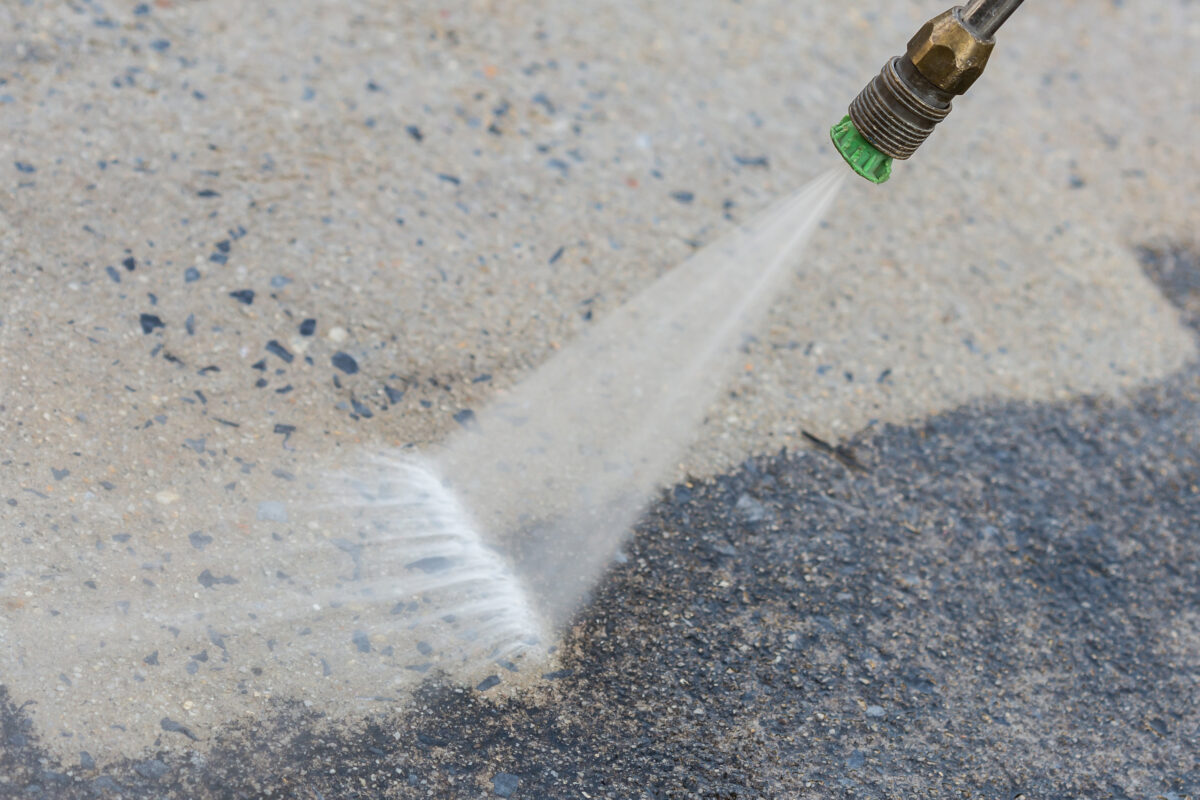
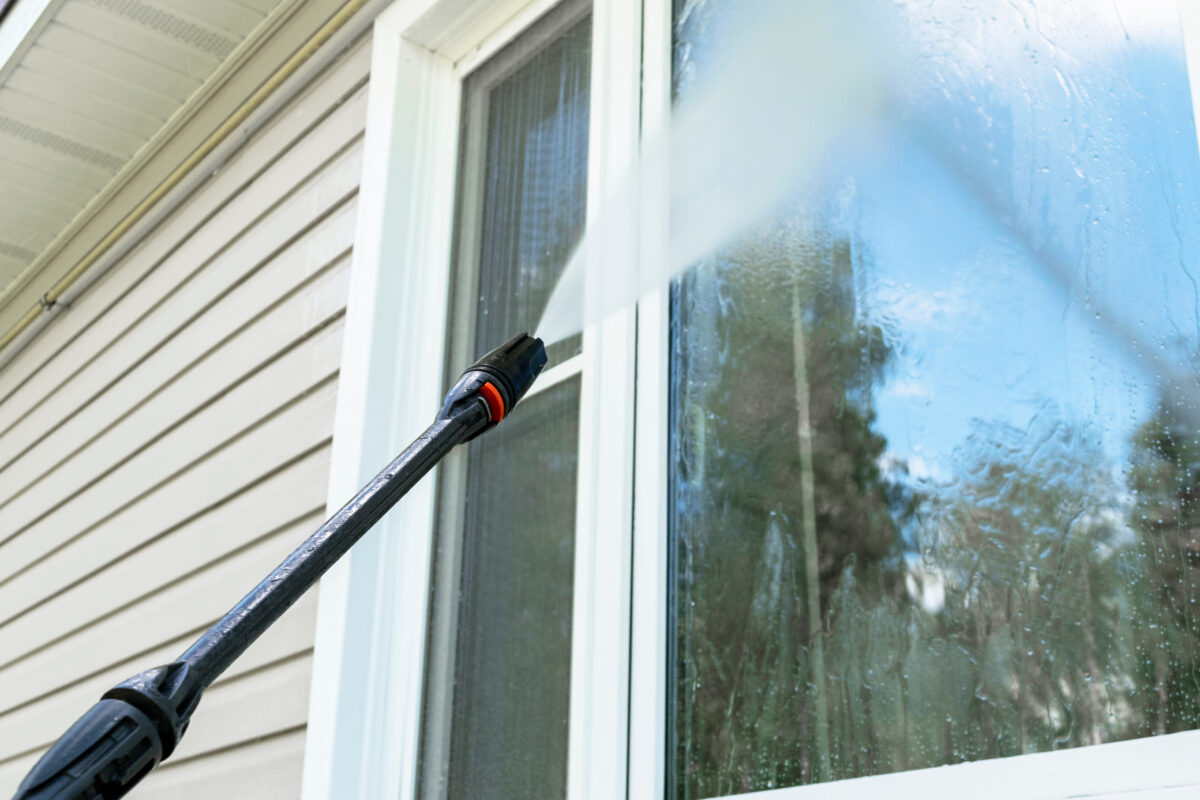
Pressure washing uses high-pressure water to blast away dirt, grime, and buildup from surfaces, cleaning your home’s exterior, driveway, and deck much faster than scrubbing by hand.
The power comes from two measurements:
PSI (pounds per square inch): How much force the water hits with
GPM (gallons per minute): How much water flows through the system
You might also hear about power washing (uses heated water) or soft washing (lower pressure with cleaning chemicals for delicate surfaces like painted wood or older siding).
What are the benefits of pressure washing?
Pressure washing delivers measurable advantages that protect your investment and improve your property. From preventing costly damage to creating safer outdoor spaces, here’s how regular cleaning pays off:
Prevents damage to exterior surfaces
Saves time and money on maintenance
Improves health and safety outdoors
Boosts curb appeal and home value
Primes surfaces for painting and staining
Works on many exterior surfaces
Offers eco-friendly cleaning methods
Prevents damage to exterior surfaces
Regular pressure washing stops harmful buildup before it permanently damages your home. Mold, mildew, algae, and dirt eat away at materials through oxidation, breaking down paint, wood, and concrete. Trapped moisture creates perfect conditions for rot (waterproofing wood after cleaning helps prevent this) and can cause concrete to crack when water freezes and expands.
Here’s what pressure washing prevents:
Wood rot: Moisture trapped by mold on wood causes decay
Concrete spalling: Water freezes in cracks and breaks off chunks
Paint failure: Contaminants prevent proper adhesion
Mortar deterioration: Organic growth weakens brick joints
Siding warping: Trapped moisture causes buckling
Saves time and money on maintenance
Pressure washing saves massive time. What takes days by hand takes just hours with a pressure washer. As part of a regular home maintenance routine, pressure washing extends the life of your siding, deck, and other materials, delaying expensive replacements.
Pressure washing costs vary depending on whether you tackle the job yourself or hire a professional. Several factors impact the total investment:
Equipment: Rental or purchase of pressure washer and accessories
Cleaning solutions: Detergents and chemicals for specific surfaces
Labor: Your time for DIY or professional service fees
Surface area: Square footage of areas being cleaned
Surface type: Different materials require specialized techniques
Improves health and safety outdoors
The growth on your home creates health and safety hazards. Mold releases spores that trigger allergies and respiratory problems, while algae and moss make surfaces dangerously slippery when wet.
Pressure washing can improve safety by:
Reducing allergen buildup: Your home’s exterior collects pollen, dust, and mold spores that become airborne when disturbed. Pressure washing removes these allergens, improving air quality around your property and providing relief for family members with allergies.
Reducing slip hazards: Algae and moss create an invisible film that makes walkways, decks, and driveways treacherous when wet. Pressure washing restores the natural texture and grip of surfaces, keeping areas safe, especially around pools and shaded walkways.
Boosts curb appeal and home value
A clean exterior makes an immediate impression and directly affects your property’s value. Real estate professionals rank exterior cleaning as one of the most cost-effective improvements before selling, and clean surfaces photograph dramatically better in listings.
Key areas that make the biggest difference:
Front entrance: Sets the tone for first impressions
Driveway and walkways: Creates a welcoming approach
Siding, trim, and outside windows: Makes your home look newer and larger
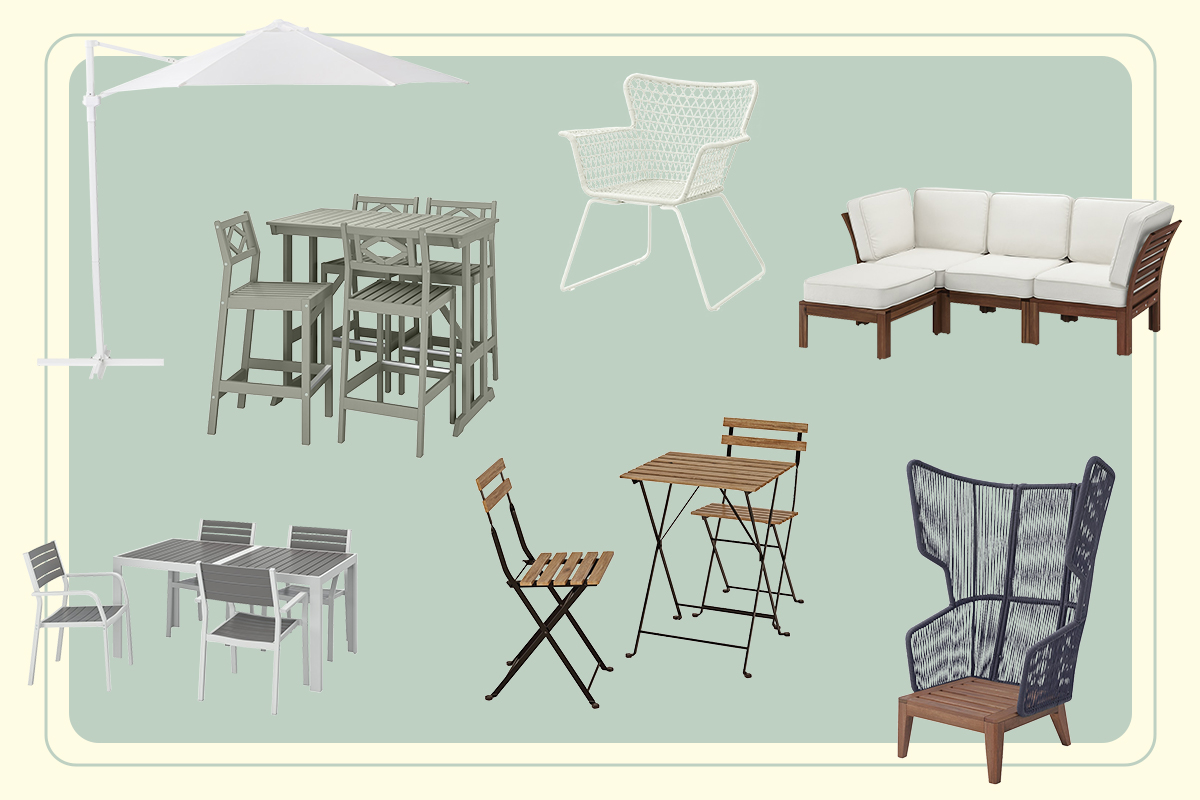
Deck and patio: Suggests well-maintained interior spaces
Primes surfaces for painting and staining
Pressure washing is essential before painting or staining. It removes chalking (powdery residue that prevents adhesion) and mill glaze (shiny finish that blocks stain penetration). Many painters require it and won’t warranty results without proper prep, which is especially critical when staining a deck or repainting siding.
What proper cleaning accomplishes for painting and staining:
Better adhesion: Paint and stain form strong bonds
Even coverage: Removes contaminants causing streaks
Longer-lasting results: Can double your paint job’s life
Warranty protection: Required by many manufacturers
Works on many exterior surfaces
With the right technique and pressure settings, you can safely clean almost any exterior surface, though different materials will need different approaches:
Concrete and pavers: Handle highest pressure for deep-set stains on surfaces like your concrete patio or driveway
Vinyl and aluminum siding: Need medium pressure to avoid forcing water behind panels
Brick and stone: Requires careful adjustment based on mortar condition
Wood decking: Varies by type, and cleaning a deck properly requires different approaches since composite is more durable than natural wood
Asphalt: Medium pressure works, but avoid dislodging aggregate
Offers eco-friendly cleaning methods
Modern pressure washing is environmentally friendly when done correctly. Many professionals use biodegradable, EPA Safer Choice detergents that break down naturally. Pressure washing is also water-efficient. The high-pressure stream does more cleaning per gallon than a garden hose.
Professional eco-friendly pressure washing practices include:
Water reclamation systems: Prevent storm drain contamination
Biodegradable detergents: Plant-based cleaners
Targeted application: Chemicals only where needed
Proper dilution: Minimum effective concentration
Get pressure washing help from skilled Taskers
Hiring a skilled Tasker for pressure washing offers significant advantages over DIY:
Specialty equipment: Powerful and efficient tools that you don’t need to have or get yourself
Surface expertise: Know exact pressure levels and techniques for each material
Safety: Protect yourself from injury and potential damage
Time savings: Complete in hours what takes you a weekend
Ready to transform your home’s exterior? Book a skilled Tasker on Taskrabbit today and enjoy a cleaner, safer property without the hassle. Be sure to confirm your Taskers skills and equipment before booking to ensure they are able to meet the requirements of your task.
Pressure washing frequently asked questions
Should I pressure wash my house myself or hire someone?
Hiring a professional is usually worth it. You avoid equipment rental fees, eliminate injury risk, and get guaranteed results with commercial-grade equipment that cleans faster and more effectively.
How often should I pressure wash my home exterior?
Most homes benefit from pressure washing every 1-2 years. Homes with shade, trees, or high humidity may need annual cleaning, while homes in dry, sunny areas can go 2-3 years between cleanings.
Can pressure washing damage my siding or deck?
Yes, using too much pressure or wrong technique can damage vinyl siding, wood decking, or soft mortar. Understanding proper pressure settings for each surface is crucial for safe cleaning.
What’s the difference between pressure washing and power washing?
Power washing uses heated water while pressure washing uses cold water. Heat is more effective for grease and sticky substances, but cold water works fine for most residential cleaning.
Last updated on March 20, 2026 by Grace Branscome